
Capital Project Management: A Quick Guide for Construction Pros

Last Updated Jan 25, 2026
Julia Tell
Contributing Writer
79 articles
Julia Tell is a freelance writer covering education, construction, healthcare, and digital transformation. She holds a Ph.D. in Media & Communications and has written for publications including Business Insider, GoodRx, and EdSurge, as well as nonprofits, international businesses, and educational institutions.

With aging infrastructure and new technology needs, capital projects will remain a high priority for communities around the world in the coming years. Effectively managing capital construction projects is necessary to protect the financial investment in these large-scale developments — and to successfully deliver the infrastructure society needs.
This article explores capital project management, focusing on its role in planning, execution, and monitoring large-scale projects, providing industry professionals with a comprehensive understanding of the process.
Table of contents
What is a capital project?
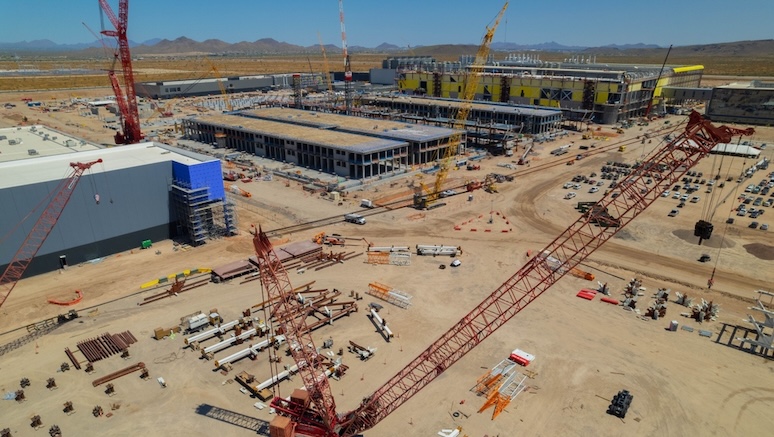
Capital projects are large-scale endeavors that involve the creation, renovation, or enhancement of physical assets. These projects are characterized by their extensive scope and substantial resource requirements — including financial resources.
Key attributes of capital projects include:
Scale and complexity
Involves multiple phases and require careful coordination among stakeholders
Significant investment
Demands substantial funding from private, public, or partnership sources, reflecting long-term impacts
Physical assets
Focuses on developing or enhancing buildings, highways, bridges, and utilities
Infrastructure development
Essential for improving transportation and utility services, including roads and rail systems
Economic and social impact
Creates jobs, boosts local economies, and enhances overall quality of life in the short- and long-term.
Heavy regulatory compliance
Must meet regulatory and environmental standards, requiring assessments and permits
Long-term benefits
Offers lasting value and benefits to communities and industries
Capital projects can be classified as greenfield or brownfield.
Greenfield projects are new developments on undeveloped land, allowing for complete customization. Brownfield projects redevelop existing sites, revitalizing legacy infrastructure and often requiring environmental remediation.
Examples of Capital Projects
Because capital projects are large-scale initiatives, many project types fall under this category. Here are some examples.
Infrastructure and transportation
Building or maintaining roads, railways, dams, train stations, airports, and ports to support transportation and connectivity
Industrial and Data Center Development
Constructing warehouses, laboratories, factories, and data centers to boost industrial capabilities and support technological growth
Campus Expansion and Renovation Projects
Adding new buildings on campuses or military bases and upgrading existing structures to accommodate growth and enhance functionality
Energy Infrastructure
Constructing or upgrading power plants, pipelines, and refineries to meet energy demands and sustainability goals
What is capital project management?
Capital project management is the process of planning, executing, and overseeing large-scale, long-term investment projects that typically involve significant capital expenditures. These projects can range from infrastructure developments, such as roads and bridges, to industrial facilities, commercial buildings, or energy plants. As with other types of construction project management, capital project management requires overseeing a project’s schedule, budget, and quality, but with a larger, more complex structure.
Managing capital projects is evolving with the integration of advanced technologies, such as artificial intelligence and the Internet of Things (IoT), to enhance efficiency and decision-making. There's also a growing focus on sustainability, requiring projects to align with environmental standards and community needs. Trends shaping the construction industry are magnified when dealing with the larger scale of capital projects, requiring more diligent oversight.
Capital project management requires a multidisciplinary approach that integrates skills from engineering, finance, procurement, and project management to deliver successful outcomes. The complexity and high stakes involved make comprehensive planning and monitoring throughout a longer process more imperative.
The basic principles of capital project development are to get organized from the very beginning, start with very well thought-out criteria.

Chris Alex
Enterprise Solution Specialist, Energy
Procore Technologies
6 Key Phases of Capital Project Management
Capital construction project management offers a structured approach to efficiently plan, execute, and control capital-intensive projects, optimizing resource allocation and maintaining regulatory compliance. Here are the key components of the process.
1. Project Initiation
In this phase, project managers define the feasibility, scope, and objectives, identify stakeholders, conduct initial site assessments, and secure necessary permits. A project charter is created to align with strategic goals and provide a clear overview.
2. Project Planning
Detailed plans are developed that cover budgeting, scheduling, resource allocation, and quality standards. Project managers and teams collaborate to craft a comprehensive roadmap that guides execution, ensuring all elements are in place for a successful launch.
3. Project Execution
Construction activities commence according to the project schedule. Teams are assembled, then they procure supplies and progress with on-site work. Effective communication and coordination keep tasks on schedule and within budget.
4. Project Monitoring & Control
This stage involves tracking progress and managing key performance indicators to maintain quality control. Project managers continuously assess real-time developments against the plan, making necessary adjustments to avoid risks and budget overruns.
5. Project Closure
The project concludes with the formal handover, final inspections, and the issuance of necessary certifications. The teams document lessons learned to refine future capital project management strategies and improve overall efficiency.
6. Post-Project Evaluation
In the review phase, project managers assess the project’s success in meeting objectives and record key takeaways to improve future planning and execution.
Core Processes in Capital Project Oversight
Project management for a large capital project involves many of the same elements as other construction project management. However, due to their scale, complexity, public visibility, and significant investments, managing capital projects requires PMs to closely track evolving requirements, stakeholder feedback, and regulatory compliance. Some central concerns with capital project management include:
- Capital budgeting
- Comprehensive planning
- Advanced risk management
- Stringent quality control
- Complex procurement
- Effective stakeholder engagement
- Performance monitoring
- Regulatory compliance
- Comprehensive project closeout
Tips for Achieving Success in Capital Projects
Embarking on a capital project requires a strategic, methodical approach to navigate the challenges inherent in large-scale, complex ventures. These projects demand careful coordination of resources, stakeholders, and timelines to achieve desired outcomes. Here are some tips:
Create and implement an effective contract strategy.
Develop contracts that align with project goals, protect stakeholder interests, and encourage collaboration. Choosing the best contract structure, performing rigorous prequalification, and clearly defining the scope and performance requirements lay a foundation for successful project completion.
Strengthen team communication and collaboration.
Establish consistent communication channels and protocols to maintain clarity and alignment among stakeholders. Effective communication keeps projects on track and enhances teamwork.
Use proactive risk management.
Conduct regular risk assessments and maintain vigilance to identify and address potential issues early. This proactive approach builds project resilience and supports informed decision-making.
Leverage technology for adaptive management.
Implement project management software to monitor progress, handle changes, and maintain stakeholder alignment. Integrated systems provide real-time updates and allow for budget, design, and schedule adjustments, supporting seamless oversight throughout the project phases.
Importance of Capital Project Management
Capital project management underpins the success of large-scale projects involving significant financial investments. Well-done capital project management adapts to the challenges inherent in this scale of project and leverages system integrations to streamline operations, support scalability, maintain project momentum, safeguard investments, and contribute to long-term organizational growth and development.
Was this article helpful?
Scroll less, learn more about construction.
Subscribe to The Blueprint, Procore’s construction newsletter, to get content from industry experts delivered straight to your inbox.
By clicking this button, you agree to our Privacy Notice and Terms of Service.
Categories:
Written by
Julia Tell
Contributing Writer | Procore Technologies
79 articles
Julia Tell is a freelance writer covering education, construction, healthcare, and digital transformation. She holds a Ph.D. in Media & Communications and has written for publications including Business Insider, GoodRx, and EdSurge, as well as nonprofits, international businesses, and educational institutions.
View profileExplore more helpful resources

What I Learned the Hard Way: Fred Mills on changing the narrative of construction
Fred Mills, founder of The B1M, set out to change how the world sees construction. What began as an ambitious idea on a Post-it note grew into one of the...

Does your asset management workflow actually work?
Every fixed asset installed on a project generates data long before handover. Is your team capturing it as it happens, or scrambling to reconstruct it after the fact? That question...

From spec book chaos to single source of truth
Picture this: An expansion is going in directly beside a high-volume line that cannot stop producing. Structural steel lands in March, mechanical completion is promised for August, and your only...
The hidden risk of relying on your EPC partner for project visibility
Many owners have thought some version of “We don’t need a capital project management platform — our EPC partner manages all of this for us.“ It’s a reasonable position. Your...
Free Tools
Calculators
Use our calculators to estimate the cost of construction materials for your next project.
Templates
Find a template to help you with your construction project tasks.
Material Price Tracker
Get the latest U.S. retail prices and view historical trends for common building materials.
Glossary
Explore key terms and phrases used in the industry.