
Navigating Construction Site Inspections: A Practical Guide

Last Updated Jan 14, 2026
Julia Tell
Contributing Writer
79 articles
Julia Tell is a freelance writer covering education, construction, healthcare, and digital transformation. She holds a Ph.D. in Media & Communications and has written for publications including Business Insider, GoodRx, and EdSurge, as well as nonprofits, international businesses, and educational institutions.
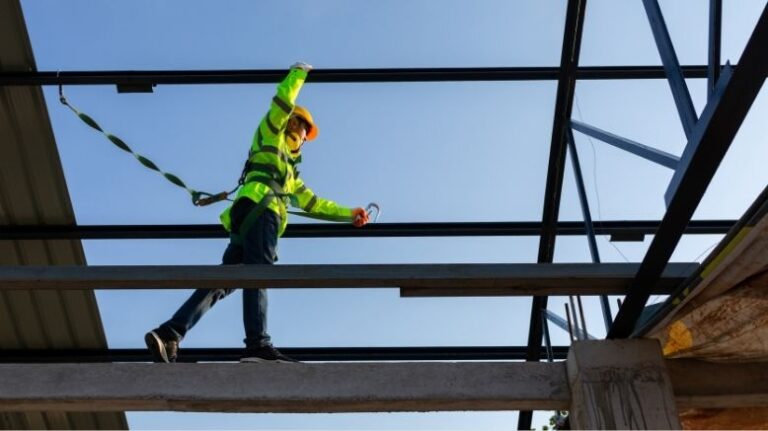
Construction transforms designs into tangible structures, but completing projects accurately and safely while meeting client expectations requires oversight. Construction site inspections provide a structured pathway to manage qualit and adherence to specifications and safety compliance regulations at every stage of a project.
This article offers reviews construction site inspections and their role in maintaining safety, quality, and compliance. It explores different inspection types and their functions, the areas assessed during inspections, and what to expect during each phase of a construction site inspection.
Table of contents
What is a construction site inspection?
A construction site inspection is a systematic evaluation process designed to verify that all aspects of a construction project adhere to safety standards, building codes and design specifications.
These inspections confirm the quality and safety of ongoing work and identify potential issues that could compromise the project's integrity. By detecting discrepancies or deficiencies early, inspections help prevent costly delays, thus keeping projects on schedule and within budget.
Conducted at various stages—pre-construction, during construction and post-construction—inspections focus on assessing structural components, electrical and plumbing systems, safety standards, and compliance with environmental regulations. The regular site inspection process minimizes risks to workers and the community. Compliance and safety inspections reduce legal risks and verify structural integrity.
The Importance of Construction Site Inspections
Inspections on construction projects cover a broad range, identifying both major and minor issues so that corrections can be made before costly rework or potential harm occurs. Jobsite inspections play a central role in the successful execution of any construction project. They help maintain safety, quality and compliance so that projects are executed within the parameters of established standards and regulations.
Mitigating Safety Risk
Construction site inspections identify and address hazards that could endanger workers and the public. Inspections are proactive; they significantly reduce the risk of accidents and injuries, creating a safer working environment. A primary focus is on identifying and mitigating potential hazards like unsafe equipment, inadequate fall protection or improper storage of materials.
Early Problem Detection
Regular inspections are instrumental in identifying potential problems at an early stage, allowing for timely corrections. This proactive approach minimizes delays, keeps the project on schedule and within budget, and supports efficient resource utilization, boosting the overall success and reputation of the construction project.
It's always best to be on the front-end planning safety inspections so that you don't have to impact scheduled work, and say, 'Hey, this is unsafe. We need to stop and reassess.' Ideally, it's best to plan ahead."

Dave Brown
Product Success Manager
Procore Technologies
Upholding Quality Standards
Inspections play a key role in making sure materials and workmanship adhere to construction specifications and building codes. This verification process guarantees that the final structure is both durable and functional, minimizing the likelihood of costly repairs or structural failures in the future.
Regulatory Compliance
Inspections help avoid potential fines and legal disputes by checking adherence to legal and environmental regulations. Staying in compliance with current laws and standards contributes to the project's legitimacy and supports its smooth progression.
Keeping Projects on Track
Inspections confirm that projects are on schedule and align with specifications so that managers can prevent costly deviations. Timely inspections help identify potential delays, allowing for corrective actions that keep the project on track, help efficiently deploy resources and prevent costly overruns.
We're inspecting the site, sometimes daily, to make sure that we catch something. If it is wrong, we catch it right away, rather than allow it to become systematic, and a whole bunch of scheduled work then has to change. We make it very clear to contractors performing the work that they need to do quality control inspections to make sure their work is correct, even before we check it.
Dave Brown
Product Success Manager
Procore Technologies
Saving Time and Money
Inspections help companies save time and money by identifying issues early in the construction process, allowing for prompt corrections that prevent costly delays. Because they help with regulatory compliance and quality control, inspections minimize the risk of fines and expensive rework.
By mitigating safety risks, inspections reduce the likelihood of accidents and the potential legal liabilities and associated financial burdens associated with incidents.
Common Types of Construction Site Inspections
Throughout the lifecycle of a construction project, various types of inspections are conducted at different frequencies, depending on the type of construction inspection, relevant regulations and the specific needs of the project. Here are some common types of inspections and their significance:
Daily Inspections
Daily inspections are routine checks to monitor progress and spot immediate issues. Conducted by site supervisors or safety officers, they check compliance with safety protocols and project specifications.
Daily inspections also identify immediate hazards and confirm safe and efficient work practices. Proactively addressing concerns helps maintain high workmanship and material quality, reducing the risk of rework.
Regulatory Inspections
Regulatory inspections are conducted by government or local authority officials to verify compliance with statutory requirements and building codes. These inspections are mandated by the Authority Having Jurisdiction (AHJ) and can vary in their timing and requirements. They validate that the project adheres to zoning laws, environmental regulations, and safety codes.
Compliance Inspections
Compliance inspections focus on verifying that the construction project meets all contractual obligations and industry standards. These inspections help maintain the integrity of the project and certify that all parties are fulfilling their responsibilities. They help avoid contractual breaches so that the project proceeds smoothly.
Quality Control (QC) Inspections
Quality control inspections are conducted to check that the materials used and the workmanship meet the specified quality standards. These inspections help maintain the long-term durability and functionality of the structure, reducing the risk of future repairs or failures. QC inspections protect financial investments by ensuring that the final output meets the desired quality benchmarks.
Project managers can use these inspections and their documentation to proactively prevent issues and make sure the project is completed to the highest standards. Whether the project is commercial, residential, or civil, each type of construction site inspection plays a role in safeguarding the safety, compliance, and financial success of a project.
What to Expect from a Construction Site Inspection
There are several stages of construction site inspections: pre-inspection, during inspection, and post-inspection. Understanding what happens in each phase enables companies to leverage the benefits of inspections, allowing the project to proceed more smoothly.
Pre-Inspection
Before the actual site visit, inspectors engage in extensive research and compile documents to prepare for the inspection.
This phase involves reviewing project plans, understanding specific code requirements and checking that all prerequisites are met before the inspection begins.
This preparation identifies potential areas of concern, allowing the inspector to be thorough and efficient.
During Inspection
The core of the construction inspection process involves a detailed examination of the jobsite. Inspectors assess various elements, including safety measures, environmental concerns, and compliance with building codes and legal requirements.
This phase focuses on worker safety and adherence to all relevant regulations. Inspectors also check that construction methods and materials align with approved plans, which helps maintain quality and prevent future issues.
Post-Inspection
After the on-site evaluation, inspectors review their findings and compile a comprehensive report. This document is sent to jobsite managers and outlines any deficiencies or areas needing attention. If necessary, preparation for a re-inspection is undertaken to verify that corrective actions have been implemented.
Common Areas Assessed During Inspections
Construction site inspections may be for a specific trade or purpose, cover a distinct area of the site, or cover the whole site and a wide range of concerns. Here are some common areas that are assessed during site inspections:
Preconstruction
Site and Grounds
Inspectors assess existing conditions, including drainage problems, soil quality and potential hazards that may impact construction.
Access and Egress
Entry and exit points for workers and equipment are inspected for safety and proper signage, including vehicle access and pedestrian walkways.
Excavations and Trenches
These areas are inspected for stability, proper shoring and to prevent cave-ins.
Safety and Hazard Control
Personal Protective Equipment (PPE)
Inspectors check for the availability and correct use of PPE, including helmets, gloves, harnesses, and goggles, to protect workers from site-specific safety hazards.
Machinery and Equipment
Machinery is checked for maintenance and safe operation, ensuring compliance with safety standards and verifying that operators are properly trained.
Electrical and Fire Hazards
Inspections focus on identifying electrical risks, such as exposed wiring, and ensuring fire safety measures are in place, including firefighting equipment and evacuation routes.
Scaffolding and Ladders
Stability and safety of structures for elevated work are assessed, including fall prevention measures.
Work Zone Site Conditions
The site is inspected for debris, clear pathways and other potential hazards.
Emergency Preparedness
Inspectors verify that emergency plans and procedures are established, workers are familiar with them and that first aid kits and communication systems are available.
Chemical and Biological Hazards
Inspectors evaluate the handling, storage and disposal of hazardous materials. They check safety data sheet (SDS) availability and worker training to prevent exposure and contamination.
Foundation and Structure
Foundations and Footings
Inspectors check for cracks, shifting, and structural integrity before covering, ensuring they meet approved design and specifications.
Framing
The framing inspection confirms that the structural framing, including walls, floors, and roofing, is properly connected and stable before finishes are applied.
Exterior Walls and Roof
Siding, sheathing, flashing and roofing materials are inspected for proper installation, weather resistance and prevention of water leaks.
Windows and Doors
Verification of proper installation, sealing and alignment.
Interior Systems and Finishes
Rough Electrical, Plumbing, and HVAC
Rough-in inspections check the initial installation of wires, pipes and ductwork before enclosure by walls and ceilings.
Insulation
Inspected for proper coverage and material before wall coverings are added.
Interior Spaces
Finished areas checked for quality workmanship and safety, including drywall, flooring, trim, and paint.
Basements and Attics
Inspected for proper insulation, ventilation, and any signs of moisture damage.
Interior Stairways and Elevators
Checked for handrails, proper lighting, and other safety measures.
Mechanical, Electrical, and Plumbing (MEP) Systems
Electrical
Verification that wiring, outlets and system connections meet safety and compliance standards.
Mechanical
Inspection of HVAC systems to confirm proper functioning and installation for maintaining indoor air quality and comfort.
Plumbing
Assessment of systems for defects, leaks or improper installation.
Work Quality and Progress
Work Progress
Checked progress that activities align with the construction plan and schedule.
Quality of Work
Evaluated the craftsmanship and quality of installed materials.
Materials
Checked delivered materials for compliance with specifications.
Finishes
Inspected interior and exterior finishes, including paints and coatings, for quality and consistency.
Who Performs Construction Site Inspections?
Construction site inspections are conducted by a range of professionals, each with specialized expertise.
- Site Supervisors and Safety Officers: These on-site professionals perform regular checks to maintain daily compliance with safety protocols and project specifications.
- Building Inspectors: Employed by local government agencies, building inspectors verify that construction meets all relevant building codes and regulations, focusing on structural, electrical and plumbing systems.
- Third-Party Inspectors: Independent inspectors are often hired to provide an objective assessment of construction quality and adherence to industry standards, especially in large or complex projects.
- Engineers and Architects: These professionals conduct inspections related to design and structural integrity, verifying that the construction aligns with the architectural plans and engineering specifications.
Stay updated on what’s happening in construction.
Subscribe to Blueprint, Procore’s free construction newsletter, to get content from industry experts delivered straight to your inbox.

Best Practices for Successful Construction Inspections
To enhance the effectiveness of jobsite inspections, construction sites can adopt several best practices that focus on communication, technology, documentation, and improved work practices. Here are key strategies to consider.
Maintain a routine inspection schedule.
Establish a consistent schedule for routine and daily inspections to systematically identify and address potential issues, and include all findings in daily reports. Conduct regular inspections to identify problems early, thereby reducing the risk of accidents and minimizing costly rework.
If you're doing inspections correctly and making sure issues are fixed throughout the construction process, that final inspection should be relatively easy.
Dave Brown
Product Success Manager
Procore Technologies
Practice open communication.
Implement open communication channels and feedback mechanisms between inspectors, supervisors and workers to quickly address concerns and share safety updates. Effective communication about all types of inspections keeps stakeholders informed and aligned with requirements and crucial updates. A collaborative approach enhances compliance, quality control and helps maintain project timelines and safety standards.
Leverage the power of technology
Using mobile apps and digital platforms streamlines the inspection process, allowing for real-time data entry and analysis. Integrate drones and sensors to access hard-to-reach areas and monitor environmental conditions accurately.
Document everything.
Maintain detailed records of inspection findings, incidents and corrective actions for accountability and to facilitate future audits. Use the data collected during inspection to analyze trends and develop targeted interventions, allowing for continuous improvement.
Stay up-to-date on regulations.
Staying current with local, state and federal regulations is necessary for compliance and to avoid legal issues in construction projects. Regular updates and compliance training for workers help prevent violations and maintain project legitimacy, ensuring smooth progress within the legal framework.
Promote a culture of safety.
Creating a culture of safety and continuous improvement makes inspections proceed more smoothly. Ongoing safety training programs keep workers informed about best practices and regulatory changes, so everyone is prepared for inspections.
Enforcing standardized safety procedures across the site streamlines the site inspection process by minimizing potential issues.
Case Study: Reinforcing Safety Culture and Compliance with Technology
A proactive safety culture significantly eases the process of inspections, and implementing technology to support safety means that verifying compliance with safety measures is that much simpler.
For Hoar Construction, a national construction company founded in 1940, implementing a cloud-based construction management platform enabled them to increase transparency and accountability by providing accessible and actionable safety data.
Executives all the way to the top are able to look in on the project in real-time and see how our safety culture is being reflected. It’s live information.

Lauren Wells
Construction Technology Manager
Hoar Construction
Reaping the Benefits of Construction Site Inspections
Construction site inspections promote a higher quality of work and regulatory adherence, resulting in significant time and cost savings for construction companies. Early detection of issues helps avoid expensive rework and keeps projects moving forward as planned. Inspections also verify regulatory compliance, minimizing legal risks.
Companies who adopt inspection technology and cultivating a culture of safety can streamline the site inspection process, resulting in more efficient work sites and successful project outcomes.
Was this article helpful?
Scroll less, learn more about construction.
Subscribe to The Blueprint, Procore’s construction newsletter, to get content from industry experts delivered straight to your inbox.
By clicking this button, you agree to our Privacy Notice and Terms of Service.
Categories:
Written by
Julia Tell
Contributing Writer | Procore Technologies
79 articles
Julia Tell is a freelance writer covering education, construction, healthcare, and digital transformation. She holds a Ph.D. in Media & Communications and has written for publications including Business Insider, GoodRx, and EdSurge, as well as nonprofits, international businesses, and educational institutions.
View profileExplore more helpful resources
Does your asset management workflow actually work?
Every fixed asset installed on a project generates data long before handover. Is your team capturing it as it happens, or scrambling to reconstruct it after the fact? That question...
From spec book chaos to single source of truth
Picture this: An expansion is going in directly beside a high-volume line that cannot stop producing. Structural steel lands in March, mechanical completion is promised for August, and your only...
The hidden risk of relying on your EPC partner for project visibility
Many owners have thought some version of “We don’t need a capital project management platform — our EPC partner manages all of this for us.“ It’s a reasonable position. Your...

Why manufacturing owners are still managing capital projects like it’s 2010
There is a machine on your plant floor right now that knows it’s going to break. A sensor is reading a vibration signature on a bearing about three weeks before...
Free Tools
Calculators
Use our calculators to estimate the cost of construction materials for your next project.
Templates
Find a template to help you with your construction project tasks.
Material Price Tracker
Get the latest U.S. retail prices and view historical trends for common building materials.
Glossary
Explore key terms and phrases used in the industry.