
Preconstruction Precepts: 7 Keys to Winning Jobs and Delivering Profit


Last Updated Feb 27, 2026
Chase Cabral
Enterprise Solution Specialist, Project Execution
As an Enterprise Solution Specialist, Chase Cabral plays a critical role in transforming the way construction professionals work and pursue ongoing success. His responsibilities include developing a deep understanding of client needs and building impactful technical solutions that support them. A tireless champion of customer service, Chase works diligently to increase project efficiency, enhance productivity, and support the overall success of every project aligned with his base.
Diane McCormick
Writer
57 articles
Diane McCormick is a freelance journalist covering construction, packaging, manufacturing, natural gas distribution, and waste oil recycling. A proud resident of Harrisburg, PA, Diane is well-versed in several types of digital and print media. Recognized as one of the premier voices in her region, she was recognized as the Keystone Media Freelance Journalist of the Year in 2022 and again in 2023.
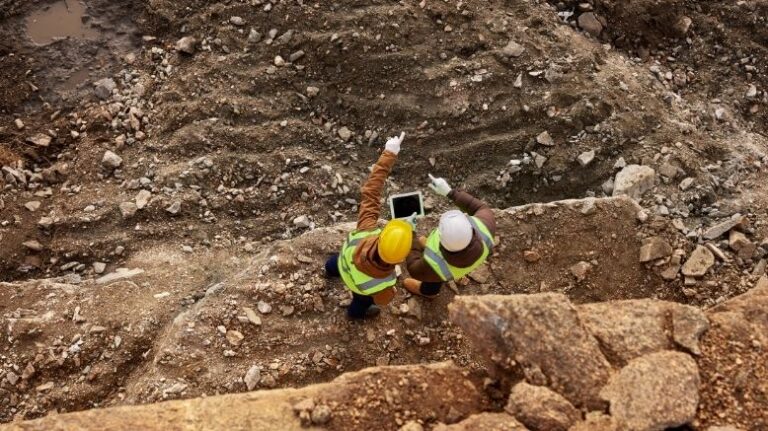
Preconstruction sets the stage for everything that follows. A fully justifiable, error-free estimate projects confidence, wins bids, and assures the profitability of the final project.
However, estimates and budgets are, by their nature, uncertain. They will always be influenced by assumptions, predictions, and anticipation of unwelcome surprises.
To produce the most accurate estimates possible, experienced preconstruction teams rely on their expertise, technology, research, and collaborative processes.
This article explores seven essentials of preconstruction estimates that hit the mark so builders can boost their bottom lines and be prepared to win more future work.
Table of contents
1. Know the lay of the land.
Before a single number is plugged into budgeting software, visit the site for a reality check.
This is the time to compare the plans to conditions on the ground. Identify access points, especially in urban areas. Make note of traffic patterns and proximity.
Pro Tip
Advance scouting is especially imperative in civil infrastructure, where upgrades are the norm. Are sections of the existing work salvageable or beyond repair? Count every highway slab and bridge pier to make sure they align with the numbers on the plan.
While you’re examining the actuals onsite, don’t assume that old plans — if you can find them — are the last word. Watch for jerry-rigging done over the years, and be especially mindful of risk around the unmarked, and often forgotten, utility lines snaking under and around the site.
2. Use data to its fullest potential.
In times past, and still today, the cost and timeline figures needed for sharp estimates were locked inside one person’s head, possibly out of date, inaccurate, or inaccessible.
Winning more jobs and growing the company demands finely honed estimates based on hard data. Future-forward approaches leverage construction management technology for trustworthy numbers and data-driven insights.
High-quality data is categorized, for apples-to-apples comparisons across jobs and time – for example, avoiding the error of comparing an eight-lane highway to a two-lane road. Data collected through established SOPs generate consistent, quantifiable results that outshine the competition and promise profitability.
3. Emphasize collaboration.
Unshakeable preconstruction estimates demand input from every stakeholder on the job. Mindful contractors build richly detailed, accurate estimates by convening owners, designers, municipal codes directors, suppliers, and labor for continuous input and critiques.
Within construction, public works have a cadence and hierarchy all their own. Questions can get tied up in red tape and multiple approval layers, causing delays and misunderstandings in preconstruction.
In these cases, contractors can herd all stakeholders into their construction management software. In the shared space, they can streamline preconstruction by facilitating collaboration, building shared understanding, and getting prompt answers straight from the responsible parties.
4. Watch those quantities.
Depending on the project format, there is no room for error in quantities.
Material counts must be confirmed, double-checked, and entered accurately. Otherwise, preconstruction estimates won’t deliver on promises of profit. One short count in the number of tiles needed or the cubic yards of concrete to be poured can push an estimate into the loss column.
Developing those quantities, making sure the plans are accurate, and if you need to, working with the owner specifically on knowing what the scope is can be extremely important.
Chase Cabral
Enterprise Solution Specialist, Project Execution
Procore Technologies
5. Use checks and balances.
Even with the power of technology at hand, one person never has all the answers. A competitive, profit-oriented preconstruction system runs on SOPs and strict checks and balances that put multiple eyes on every entry.
Each step and entry must be directed toward delivering the most accurate budget possible. Internal review and collaboration add time to the process, but they catch mistakes, correct misguided assumptions, and justify the final product’s bottom line.
Stay updated on what’s happening in construction.
Subscribe to Blueprint, Procore’s free construction newsletter, to get content from industry experts delivered straight to your inbox.

6. Manage risk logs.
Once the base estimate is in place, it’s time to involve PMs, COOs, and other operations leaders to offer their input on the minutiae of operations.
With their experiential outlooks, they can help refine and fully populate the risk log, inserting their views on the risks inherent in specific tasks and the potential dollar signs attached to any disruptions.
In a volatile economy, good risk log management also accounts for escalating costs. For instance, talks with suppliers and projections on union wages will help the log factor in the rising prices of concrete and associated labor when the time comes to pour it in two years.
As you develop your budget, you want operations to get involved because they actually are building the work. You want them to weigh in because they're going to be the ones out there building it.
Chase Cabral
Enterprise Solution Specialist, Project Execution
Procore Technologies
7. Document the work — and prepare for handoff.
After careful collaboration and data analysis, the estimate is ready for handoff to operations.
Now, the questions begin. The preconstruction team must be prepared to answer pointed questions about the assumptions behind each entry.
When those questions arrive months or years later, preconstruction teams that carefully organized their documents and cataloged every decision – again, leveraging the reportability features of construction software management – have an advantage through easy retrieval of the notes, worksheets, and documents that supported the decision.
In preconstruction, you're always sitting there waiting to hear how the job's going, and you hope that you develop the budget to the best of your ability, so that's why it's very important to understand the scope and make sure your quantities are right.
Chase Cabral
Enterprise Solution Specialist, Project Execution
Procore Technologies
Meticulous attention to preconstruction proves its value in an equally meticulous build. By presenting a foundation steeped in detail and affirmed by data, builders gain an edge in winning jobs, making profits, and delivering quality.
Was this article helpful?
Scroll less, learn more about construction.
Subscribe to The Blueprint, Procore’s construction newsletter, to get content from industry experts delivered straight to your inbox.
By clicking this button, you agree to our Privacy Notice and Terms of Service.
Categories:
Written by
Chase Cabral
Enterprise Solution Specialist, Project Execution | Procore Technologies
As an Enterprise Solution Specialist, Chase Cabral plays a critical role in transforming the way construction professionals work and pursue ongoing success. His responsibilities include developing a deep understanding of client needs and building impactful technical solutions that support them. A tireless champion of customer service, Chase works diligently to increase project efficiency, enhance productivity, and support the overall success of every project aligned with his base.
View profileDiane McCormick
Writer | Procore Technologies
57 articles
Diane McCormick is a freelance journalist covering construction, packaging, manufacturing, natural gas distribution, and waste oil recycling. A proud resident of Harrisburg, PA, Diane is well-versed in several types of digital and print media. Recognized as one of the premier voices in her region, she was recognized as the Keystone Media Freelance Journalist of the Year in 2022 and again in 2023.
View profileExplore more helpful resources

Does your asset management workflow actually work?
Every fixed asset installed on a project generates data long before handover. Is your team capturing it as it happens, or scrambling to reconstruct it after the fact? That question...

From spec book chaos to single source of truth
Picture this: An expansion is going in directly beside a high-volume line that cannot stop producing. Structural steel lands in March, mechanical completion is promised for August, and your only...
The hidden risk of relying on your EPC partner for project visibility
Many owners have thought some version of “We don’t need a capital project management platform — our EPC partner manages all of this for us.“ It’s a reasonable position. Your...

Why manufacturing owners are still managing capital projects like it’s 2010
There is a machine on your plant floor right now that knows it’s going to break. A sensor is reading a vibration signature on a bearing about three weeks before...
Free Tools
Calculators
Use our calculators to estimate the cost of construction materials for your next project.
Templates
Find a template to help you with your construction project tasks.
Material Price Tracker
Get the latest U.S. retail prices and view historical trends for common building materials.
Glossary
Explore key terms and phrases used in the industry.