Customer Story
Scaling from specialty work without losing control
Gutier adopted Procore to manage its transition from specialty contractor to self-performing GC with greater visibility, consistency and control

The Challenge
As Gutier made the leap from specialty contractor to self-performing general contractor, the cracks in its disconnected systems became harder to ignore. Estimating, field execution and financials lived in different places, making it difficult to catch issues early. The result was more risk, thinner margins and growing uncertainty as the company expanded into new markets.

The Solution
To bring more consistency and control to its operations, Gutier standardized its project workflows in Procore. By managing preconstruction, field execution, financials and closeout in a single platform, the team gained real-time visibility into productivity and costs, allowing issues to be addressed before they became bigger problems.

The Results
- Increased profit margins larger than the industry average
- Improved bid win rates to approximately 60%
- Identified and corrected productivity issues in real time
- Enabled expansion across multiple Texas markets
“Procore data connects everything. Timesheets are tied to man-hours, man-hours are tied to quantities, man-hours & quantities give you the production rates, and production rates are tied to margins. Once you see it, you can fix it immediately. The data doesn’t lie.”

Indra Gutierrez
President
Gutier
Betting on self-perform without betting the business
Indra Gutierrez has built and scaled Gutier with zero capital investment—and a clear understanding of how quickly small issues can snowball on complex projects. Drawing on years of experience managing large-scale work, she focused first on building a specialty contracting business that could operate with discipline and control. By the company’s sixth year, Gutier had grown to a point where Gutierrez faced a pivotal decision: remain a specialty contractor or take on the added responsibility and risk of becoming a self-performing general contractor.
The self-perform model offered speed, control and stronger margins, but only if it was managed with discipline. “If you don’t manage your self-performed crew, you’re going to lose money very quickly,” Gutierrez said. As the company expanded across Texas, relying on instinct alone no longer felt responsible, especially when the cost of finding problems late showed up directly on the bottom line.
Building the business around a single source of truth
Gutierrez knew that scaling safely meant eliminating ambiguity. Before adopting Procore, Gutier relied on multiple systems for estimating, execution and financial tracking. That patchwork approach forced teams to re-enter data, slowed decision-making and introduced unnecessary risk. “There was a lot of room for error,” she said. “And it took days just to get information where it needed to go.”
Gutier chose to build its processes around Procore as a single source of truth. From preconstruction through closeout, project data now lives in one platform that every team can access, whether they’re in the field or office. Permissions, workflows and reporting are standardized, creating consistency across projects and locations. That consistency was key to Gutierrez’s confidence. “It gave me the ability to streamline the process and make sure things were being done the same way across all projects,” she said. “Even though we’re working across the state, everyone is looking at the same data.”
The same was true for Gutier’s preconstruction process. Before standardizing on Procore, Gutier’s estimating team was forced to re-enter the same information across multiple systems once a project was awarded. “Instead of the estimators moving on to the next estimate, they had to re-enter everything,” Gutierrez said. “It took days. To me, it was just such a waste of time.”
Eliminating that friction sped up project setup and freed the team to focus on higher-value work that actually improved the company. And with all past bid and performance data living in Procore, Gutier can make smarter decisions about which jobs are worth pursuing in the first place. “We review every bid to see why we didn’t win and who did,” Gutierrez said, “and we’ve learned through that historical data where we’re likely to be competitive in the future.”
When the data turns red, everything stops
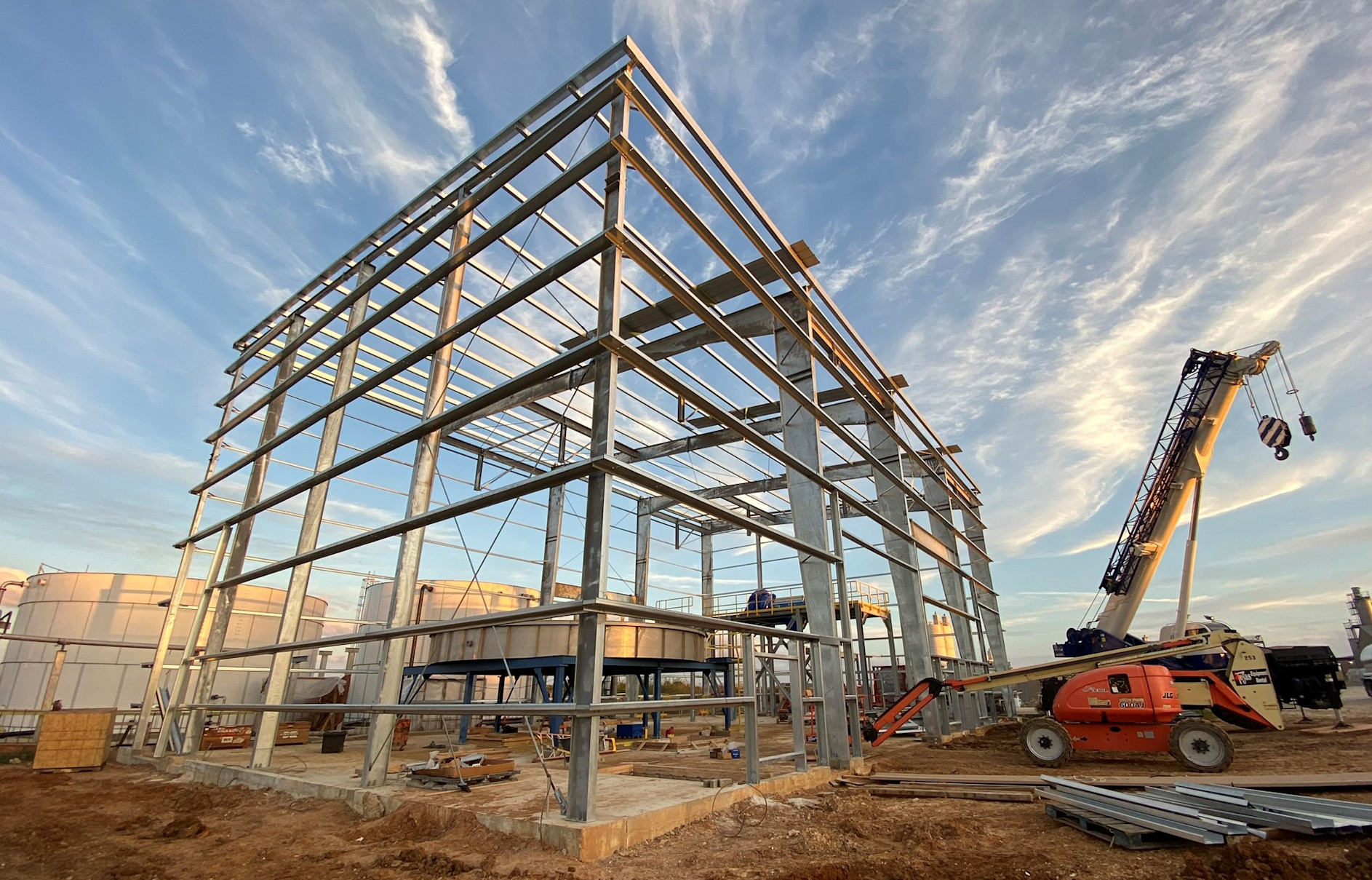
Today, Gutier tracks productivity daily, measuring quantities installed against man-hours in real time. Procore’s daily productivity reports highlight variances immediately, giving leadership an early warning when something isn’t working. “The moment we see red, we pause and address it,” Gutierrez said. “We meet to review site activity, identify root cause, and implement corrective action that same day.”
In one recent example, Procore’s field production and timesheet data surfaced an issue that might otherwise have gone unnoticed. The team saw labor spread across five different cost codes in a single day, even though the plan called for focused work on one activity. The crew wasn’t underperforming, but they were being pulled in too many directions. Productivity suffered, margins followed—and the root cause became immediately clear. “That’s where the data connects everything,” Gutierrez said. “Timesheets are tied to man-hours, man-hours are tied to quantities, man-hours & quantities give you the production rates, and production rates are tied to margins. Once you see it, you can fix it immediately. The data doesn’t lie.”
That visibility has changed conversations across the company. Decisions are no longer about blame or instinct, but about understanding cause and effect. Gutierrez regularly walks teams through production data and margins, helping them see how daily choices ripple across a project. “When people see how their decisions impact real dollars, it clicks,” she said. “It’s real money. It affects everyone.”
Scaling with clarity instead of guesswork
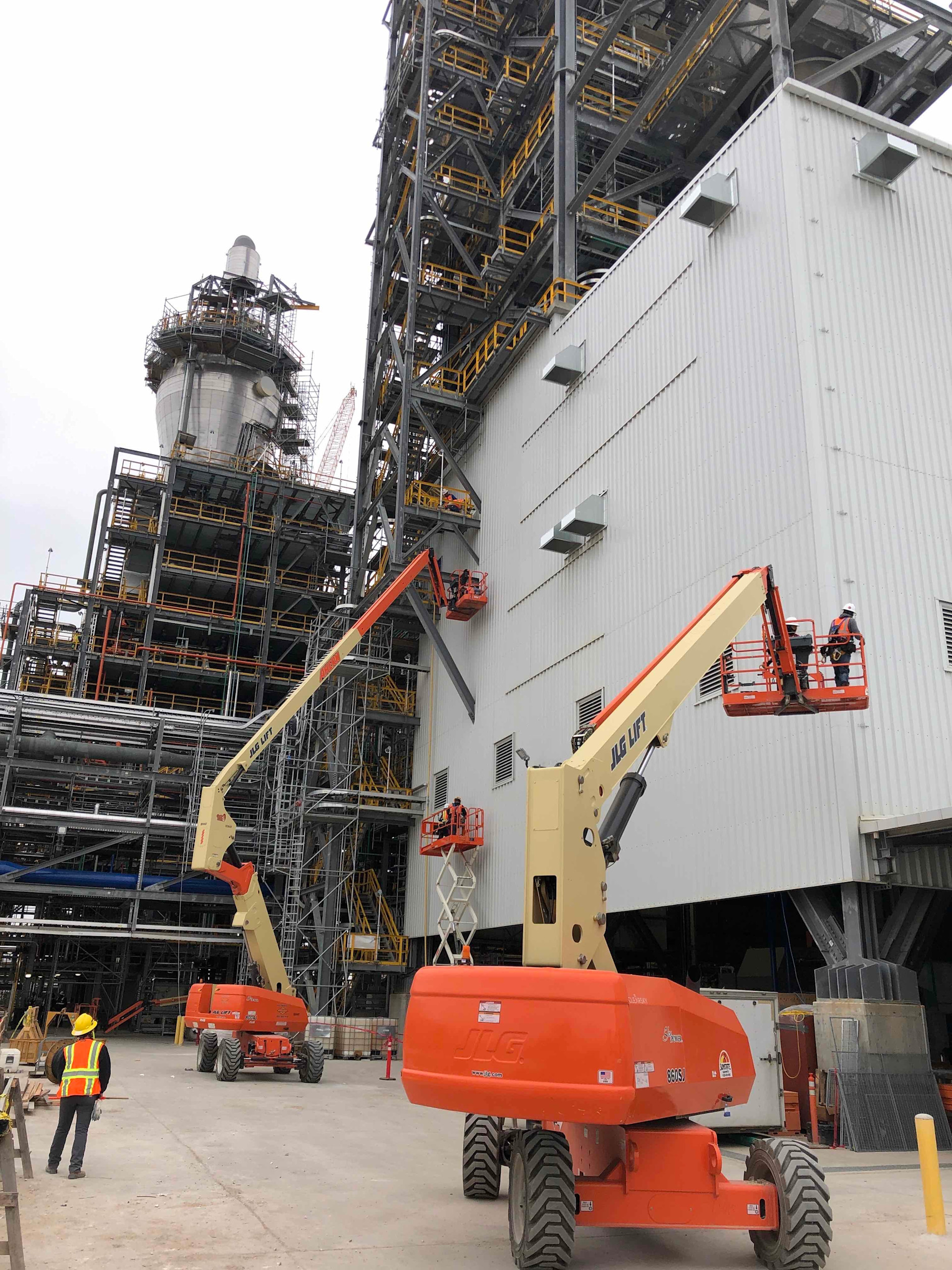
As Gutier continues to grow across Texas, Procore functions as a digital twin of the business. Gutierrez can monitor productivity, safety and quality without being physically present on every site, using real-time observations and reports as leading indicators rather than after-the-fact explanations.
That visibility has paid off. Gutier estimates its profit margins are higher than the industry average, and Gutierrez attributes much of that success to its data-first approach. By reducing rework, accelerating project setup and focusing bids on opportunities with the highest chances of success, the company has grown steadily, without losing control.
Looking ahead, Gutierrez sees today’s discipline around data as the foundation for something bigger: a “construction control room” where live information guides decisions across productivity, safety and quality in real time. It’s a north star made possible by technology, but also by a desire to make smarter decisions earlier and protect the people and projects that drive her company.
“At least now, we know,” she said. “We’re not guessing anymore. And that makes all the difference.”