
A Plumbing Contractor’s Guide to Insurance Coverage

Last Updated Jul 24, 2026
Thomas Tracy
Financial & Insurance Advisor
13 articles
Thom is a group benefits consultant with over 25 years of experience as an insurance and financial advisor. He has written for Quickbooks, tED Magazine, Investopedia, the National Bank of Arizona, and others.
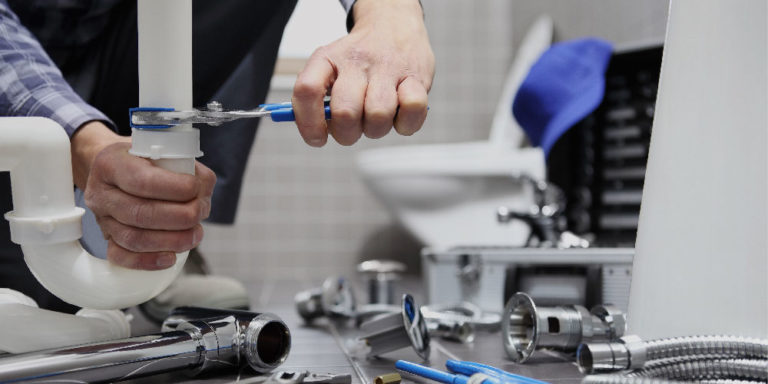
Plumbing contractors should include business insurance as an integral part of their financial strategy. When you tackle the jobs you’ve secured, it’s also important to plan for the unexpected.
With numerous policies available, the plumbing contractor’s insurance landscape offers many ways to protect your physical and financial business assets. Obtaining an insurance policy is a key step in planning for the success of your plumbing business.
Table of contents
What is plumber's insurance?
Plumber's insurance is a specialized type of business insurance designed to protect plumbing contractors from financial losses due to accidents, injuries, property damage or other liabilities specific to their trade. Plumbing contractor's insurance may help your business stay afloat if accidents or injuries occur on the job. An insurance package for plumbers can involve many different types of policies that each apply to a specific aspect of operations.
In short, a plumbing contractor’s insurance policy covers claims for property damage, but it may also help defend against lawsuits resulting from a work-related incident. Whether you are at fault or not in an accident, attorneys’ fees can take a big chunk out of your revenue. In this respect, general liability insurance or workers’ compensation could help cover those costs if an incident should occur.
Why plumbing contractors need insurance
Plumbing contractors need insurance to protect their businesses from the substantial financial risks inherent in the trade, such as property damage, client injuries and liability for completed work. As a plumber, you may want to pay special attention to coverages that involve water damage and completed operations policies that protect you once a project is finished.
Worker injury
Worker injury is a significant risk for plumbing contractors, requiring specific insurance coverage like Workers' Compensation to protect employees and the business from high medical and legal costs. Plumbers face unique hazards, from injuries related to chemical or hazardous waste making contact with their skin to working in confined spaces, such as sewers or manholes, that offer limited access to oxygen.
Services like hospital stays and/or rehabilitation plans might rack up significant bills that could be difficult to pay without insurance. The average cost average cost for a workers’ comp claim in 2019-20 was $41,353. If your business were found responsible for the injury, paying out of pocket for a worker’s medical bills may negatively affect your bottom line.
Workers' compensation insurance should be in place to help defray the costs of employee medical treatments. The coverage might also assist with programs designed to help workers recover and return to the job.
Licensing & contract requirements
Plumbing insurance is often required to obtain a contractor’s license or certification—though laws differ by state—and is almost always required by general contractors as a condition of securing work. Any plumbing subcontractor in the field should carry a comprehensive insurance package to protect themselves and meet legal and contractual obligations.
Plumbing insurance may also help you secure work with general contractors who will likely require coverage per the terms of a contract.
Your customers may also want to know that you have insurance coverage in place. They can rest easier knowing there’s some protection in case you accidentally damage their property, or a third party slips and falls on the jobsite.
Liability for damage
Liability for damage in plumbing refers to a contractor's legal responsibility for property damage or bodily injury caused during their work, such as water leaks, structural damage or accidents on a client's property. General Liability (GL) insurance is needed to help cover these potential costs, including legal fees and settlements.
A plumbing contractor’s insurance policy may include property coverage, too. This applies to items you own that might be damaged during the course of a job, for example, if they are ruined in a fire, damaged by water, or vandalized.
Becoming a master plumber is a step up professionally, but it comes with increased exposure to risk— so there are options for contractors to adjust coverage types and amounts accordingly.
What types of insurance can a plumbing contractor use?
Plumbing contractors can use several types of insurance, including professional liability, workers' compensation, and commercial auto, among others. If you consider things that can go sour on a project, there may still be some liability gaps you need to be aware of. Here is a partial list of policies that may help protect your livelihood:
Business owners policy: This policy is the foundation of a solid insurance plan. It packages liability and property damage coverages that form the backbone of your coverage portfolio.
Commercial auto insurance: Motor vehicle accidents are one of the most common claims occurrences. Business auto policies protect your work vehicle and cover damages or injuries to a third party.
Completed operations: A faulty joint in a water line can cause extensive damage to finished interiors. A completed operations policy gives you coverage for these situations even after the job is finished.
Equipment floater insurance: With equipment floater insurance, your specialized tools and equipment, such as wrenches or pipe cutters, will be covered regardless of where you travel on business.
Materials floater insurance: This works like an equipment floater, but the coverage applies to pipes, sinks, toilets — whatever materials are meant to be installed on the job and stored offsite or onsite.
Professional liability insurance: If your services include creating drawings or blueprints for plumbing configurations, professional liability insurance protects you if those designs are faulty.
Workers' compensation insurance: Workers’ compensation insurance helps provide income to and cover medical costs for employees who may suffer job-related injuries or illnesses.
How do I get plumbing insurance?
Here are five steps to take to secure plumbing contractor’s insurance:
- Gather information about your business, including tax returns, annual sales volume, payroll information (if applicable), and claims history (if previously insured).
- Contact an insurance agent or broker who has experience with all aspects of plumbing contractor’s insurance.
- Complete an application and submit to the insurance company as requested.
- Promptly answer any follow-up questions the insurance company may have.
- Make the required down payment to bind the insurance contract and get the policy issued.
How much does plumbing insurance cost?
The cost of plumbing contractor’s insurance depends on a few variables:
- Location: Where you work will help determine how much you pay. For example, if you’re in a region that’s prone to coastal storms, factors like this typically increase cost.
- Size: You may be a small shop, or employ many workers. The larger your business is, the higher your premium may be.
- Experience: Newer plumbing contractors may pay more for workers’ compensation, unlike older companies that have a positive claims history with current and/or previous insurers.
Premium rates for plumbers are often based on claims data and history for the overall industry. With fewer historical accidents and injuries, plumbing contractors may pay less for a business owner's policy than other subcontractors who may encounter more incidents on a jobsite.
Making the insurance connection
Plumber’s insurance makes excellent financial sense when you think about the things you can and can’t control on the job. Many business insurance carriers have familiarity with the plumbing business, and policies are usually affordable and easy to get as a result.
Was this article helpful?
Scroll less, learn more about construction.
Subscribe to The Blueprint, Procore’s construction newsletter, to get content from industry experts delivered straight to your inbox.
By clicking this button, you agree to our Privacy Notice and Terms of Service.
Categories:
Written by
Thomas Tracy
Financial & Insurance Advisor
13 articles
Thom is a group benefits consultant with over 25 years of experience as an insurance and financial advisor. He has written for Quickbooks, tED Magazine, Investopedia, the National Bank of Arizona, and others.
View profileExplore more helpful resources

What is Equipment Floater Insurance for Contractors?
Most contractors rely on tools and equipment to complete construction projects. But if something happens to those items, they can be expensive to replace. Contractors can benefit from purchasing an...
Construction Equipment Rental Insurance: How & Where to Get Coverage
Contractors and construction businesses that rent equipment should consider getting construction equipment rental insurance. This type of insurance covers the cost of replacing rented tools and equipment if they get...

Understanding Construction Insurance: Actuarial vs. Underwriting Factors
Determining the price of construction insurance is complex, with much of the work happening behind the scenes. Most construction companies interact primarily with an insurance broker or agent, but actuaries...

Construction Insurance Pricing: What Determines the Cost of Insurance?
Construction is a risky and litigious business, and insurance can help mitigate the risks for builders and owners. Construction insurance is a valuable and frequently required tool, so understanding how...
Free Tools
Calculators
Use our calculators to estimate the cost of construction materials for your next project.
Templates
Find a template to help you with your construction project tasks.
Material Price Tracker
Get the latest U.S. retail prices and view historical trends for common building materials.
Glossary
Explore key terms and phrases used in the industry.