In the current digital age, the demand for data centres is surging like never before. This uptick is driven significantly by the exponential growth of artificial intelligence (AI) and the increasing need for cloud storage. Over one trillion dollars is projected to be spent on data centre upgrades for AI by Amazon, Microsoft, Google and Meta. This article aims to unpack the evolving landscape of data centre construction, explore the challenges involved, and offer actionable insights to help construction professionals stay competitive in this booming market.
Key Trends in Data Centre Construction
Data centre construction is undergoing a transformation driven by several key trends. Understanding these trends can help construction professionals align their strategies to meet evolving demands.
The AI Explosion
AI is at the crux of the data centre demand surge. Traditional data centres primarily focused on storage and processing needs. However, AI data centres require more advanced infrastructure, heightened computational capacities, and energy efficiency upgrades.
AI-Driven Demand: The explosion of AI technologies necessitates sophisticated data centres with enhanced processing power to handle complex algorithms and data analytics.
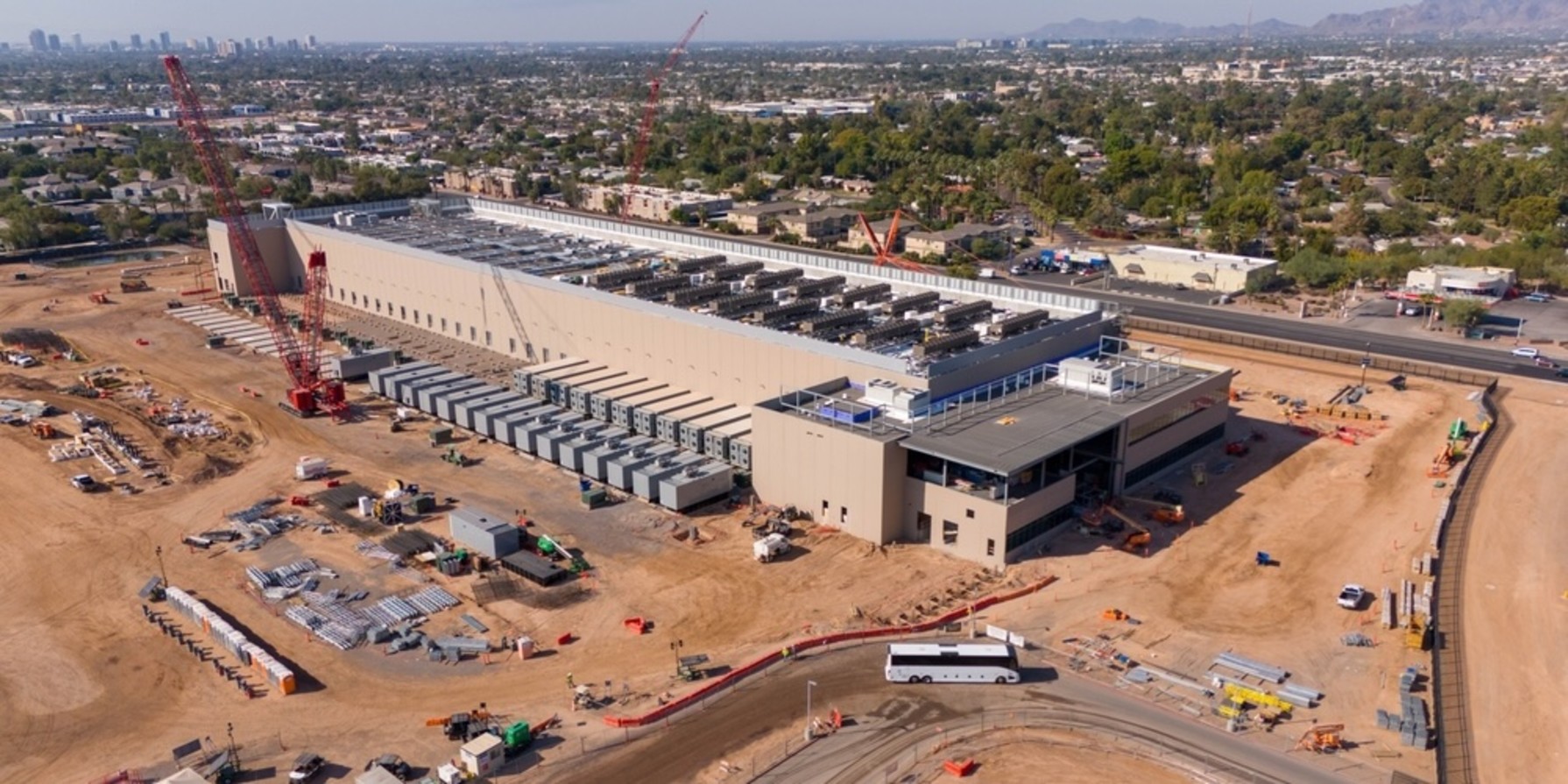
Hyperscale Data Centres: Hyperscale centres are much larger than traditional data centres. A typical hyperscale data centre has at least 5,000 servers, 500 cabinets and over 10,000 square feet of floor space.
Edge Computing and Innovative Data Centre Models
Another key trend is the rise of edge computing and novel data centre models. For instance, Microsoft is building a floating data centre, and Amazon Web Services (AWS) is utilising 18-wheelers as temporary data centres in remote locations.
Edge Computing: This involves decentralising data processing to locations closer to the data source to reduce latency and bandwidth use.
Innovative Models: Floating data centrs and mobile (truck-based) data centers exemplify creative solutions addressing land use constraints and flexible deployment needs.
Challenges in Data Centre Construction
Despite the rapid growth and innovation, the data centre construction industry faces several significant challenges. Addressing these challenges is crucial for staying competitive and ensuring project success.
Power Consumption and Infrastructure
One of the most pressing challenges is power consumption. Data centres are massive energy consumers, representing an estimated 2% of global energy consumption. The demand for data centres is so high that it's extending construction timelines by 24 to even 72 months based on power supply demands.
Energy Demands: The construction and operation of data centres are limited by power availability and the infrastructure to support them.
Sustainable Solutions: Companies are exploring renewable energy sources, on-site power generation, natural gas and small reactors to overcome power limitations.
Labor Shortages
The construction and operational phases of data centres require specialised skills that are increasingly scarce. The Department of Labour has highlighted a continuous 10% annual rise in labour demand since 2018, with projections showing a 15% increase in the near future.
Skilled Labour: Both the construction and maintenance of data centres require highly specialised technicians.
Remote Locations: Many data centres are built in remote locations, adding another layer of difficulty in attracting and retaining skilled labour.
Supply Chain Constraints
Post-COVID-19 supply chain issues continue to significantly impact data centre construction. Key components like switchgears, power distribution equipment, generators and chillers experience significant delays, often extending beyond 52 weeks.
Critical Components: The unavailability of crucial components affects construction timelines.
Vertical Integration: Some companies are mitigating material unavailability by fabricating essential components in-house.
Strategies to Stay Competitive
To navigate the complexities of modern data centre construction, companies need to adopt innovative and forward-thinking strategies. Here are some key approaches to stay ahead of the curve.
Embrace Prefabrication
Data centre construction is increasingly leveraging prefabrication techniques to speed up the build process. This shift turns construction sites into more of an installation project rather than a traditional build.
Benefits: Prefab reduces on-site labour needs and improves quality control.
Challenges: Coordination and exact specifications are crucial, as any mismatch can cause significant project delays.
Innovative Power Solutions
Given the massive energy demands, construction companies must explore innovative power solutions to stay competitive.
Renewable Energy: Utilising solar, wind and hydrogen fuel cells can provide sustainable power solutions.
On-site Generation: AWS, for instance, has turned to natural gas generation to support multi-facility campuses.
Advanced Planning and Collaboration
Effective preconstruction planning is critical. The planning process around a data centre project is as critical — probably almost 5 times as critical as it is on any other commercial project.
Early Collaboration: Engaging all stakeholders early can mitigate risks and streamline project timelines.
BIM and Digital Twins: Leveraging Building Information Modeling (BIM) can aid in accurate planning and digital twins for operational analytics.
Leveraging Technology and AI
AI is not just driving demand but also offering solutions. From design and planning to operations, AI can streamline processes, predict challenges, and optimise resources.
AI in Project Management: Using AI for project management can optimise timelines and resource allocation.
Operational Efficiency: AI algorithms can enhance the operational efficiency of data centres by predictive maintenance and energy optimisation.
Sustainability Initiatives
Sustainability is not just a regulatory requirement but also a competitive differentiator. Data centres are huge power consumers, and companies need to step up their sustainability game to win new projects and public approval.
Sustainable Materials: Companies can make more with less using eco-friendly building materials and energy-efficient designs.
Public Relations: Promoting sustainability efforts can help gain public support and regulatory approval.
Keys to Success: Innovation & Adaptation
The data centre construction landscape is transforming rapidly, driven by AI, innovative models, and pressing power and labour challenges. To stay competitive, construction professionals must embrace advanced planning, prefab techniques, innovative power solutions, and sustainability initiatives. The current demand surge is an opportunity for innovation and growth. By leveraging technology, fostering early collaboration, and focusing on sustainability, construction companies can not only keep up but also lead in this evolving market.
There is much more to talk about. The industry's rapid evolution requires continual adaptation and innovation. Embrace these trends and strategies to stay ahead in the competitive landscape of data centre construction.
Written by

Construction software company
Start growing with Procore today
With tools to make every part of your process more human and a support team excited to help you, getting started with any project has never been easier.