
Pull Planning in Construction: A Practical Implementation Guide

Last Updated Feb 6, 2026
Josh Krissansen
122 articles
Josh Krissansen is a freelance writer with two years of experience contributing to Procore's educational library. He specialises in transforming complex construction concepts into clear, actionable insights for professionals in the industry.
When teams plan in isolation, handoffs are unclear, and constraints emerge too late to influence the sequence, the outcome is predictable:
Construction projects slip.
This reduces schedule reliability and increases commercial exposure across a project portfolio. The issue lies in how planning is structured.
This is where construction pull planning comes in. The approach brings constraints forward, creates real-time visibility of commitments, and gives leaders earlier insight into emerging risk, enabling faster, more accurate decisions that protect delivery.
This article explains what pull planning is and how you can implement it effectively, measure its commercial impact, and embed it into construction workflows to improve schedule reliability.
Table of contents
What is Construction Pull Planning?
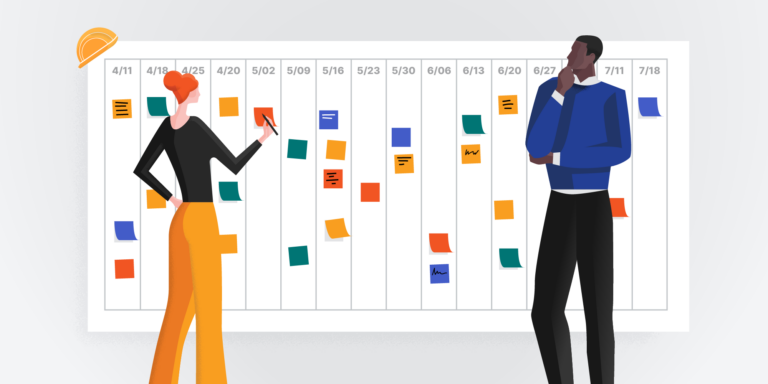
Construction pull planning is a collaborative scheduling method where project stakeholders plan backward from a defined milestone to identify the activities, dependencies and handoffs required to achieve it.
This approach can be applied to an entire project or focused on a specific phase, such as structure, MEP, or interior fit-out.
To implement pull planning:
- Teams use a visual planning surface with colour-coded notes representing each trade or activity.
- They work from right to left to clarify the sequence required to reach the milestone. This shows when each task must be completed for the next trade to begin.
- Forward-looking tools, such as the Critical Path Method, are additionally used to refine the schedule and verify alignment with actual site conditions.
Push Planning vs. Pull Planning
Although both are part of the preconstruction process, pull and push planning are different approaches.
| Pull Planning | Push Planning | Practical Implications | |
| How It Works | Teams plan backward from a fixed milestone, identifying the conditions and sequence required to achieve it. Activities and handoffs are clarified collaboratively on a visual surface. | Teams plan forward from day one, laying out tasks based on expected sequence and durations. Sequence is refined through trade input and traditional scheduling logic. | Pull: Defines what must happen for success. Push: Defines how work is expected to unfold. |
| Core Philosophy | “Start with the end in mind.” Milestones drive the schedule. Collaboration ensures every dependency is real and agreed upon. | “Start where the project starts.” Work is laid out linearly, with planners estimating durations based on experience and typical sequencing. | Pull: Aligns the team around shared outcomes. Push: Aligns the team around planned activity flow. |
| Level of Collaboration | High — trades jointly map out handoffs, constraints, and readiness criteria. | Moderate — trades provide input, but planners or project managers often drive the schedule. | Pull planning reduces gaps because the people doing the work define the work. |
| Accuracy of Workflow Sequencing | Very high — every activity is validated by the trade responsible for delivering it. Reduces assumptions and unrealistic durations. | Variable — depends heavily on the planner's experience and the amount of real field input gathered. | Pull planning produces more reliable commitments and fewer mid-project resequencing events. |
| Predictability & Performance | Has been shown to reduce total project time by 12.6% and cut waiting time by 80.3%, directly improving flow and reducing rework. | More prone to delays, clashes, and unplanned waiting periods when assumptions prove inaccurate. | Pull planning enhances flow efficiency. Push planning requires more corrective management. |
| Risk Profile | Lower risk — because constraints and readiness conditions are clarified before work begins. | Higher risk — hidden constraints often emerge during execution, triggering delays. | Pull: Preventive. Push: Reactive. |
| Impact on Cash Flow & Claims | Milestones are achieved more reliably, improving billing alignment and reducing exposure to liquidated damages. | Unpredictable flow can cause milestone slippage, rework, and misaligned progress claims. | Pull planning stabilises financial performance across phases. |
| Technology Alignment | Integrates well with lookahead planning, Last Planner® practices, and real-time task coordination platforms. | Integrates well with CPM and master schedule creation; it depends more on centralised planning. | Pull: Works best with collaborative digital tools. Push: Works best with scheduling software and traditional PM workflows. |
| Best Use Cases | Complex, multi-trade environments (e.g., MEP, structure, interiors), schedule-sensitive projects, and phases where handoff reliability is critical. | Early-phase planning, predictable projects, or when teams need a baseline before switching to a pull-based system. | Many modern projects use a hybrid: push → pull → CPM refinement. |
Once teams experience the clarity that comes from planning backwards from a milestone, the next question is how to sustain that reliability week to week.
Pull planning sets out the sequence of work. Lean construction provides the principles behind it. The Last Planner System then applies both in practice – transforming a collaborative planning session into an ongoing process for coordinating work, removing constraints, and managing commitments.
Lean Construction Principles and The Last Planner System
Lean construction focuses on maximising value, removing waste, and maintaining continuous flow across a project. Pull planning sits within this framework and provides a structured way to sequence work based on what the next trade needs rather than a static program.
The Last Planner System provides the production control structure that enables these outcomes. It connects pull planning with make-ready planning, weekly work planning, and daily huddles to create a consistent approach to construction planning and execution.
Lean delivery relies on three core rules that guide teams in planning and completing work.
- Pull: Complete work only when the next trade requires it, so the sequence is driven by demand.
- Collaborate: Develop the plan with all stakeholders to ensure that sequencing and durations accurately reflect the knowledge of the teams performing the work.
- Commit: Make reliable promises for dates and handoff conditions and hold teams accountable for meeting them.
Research across twenty-five projects showed that strong Last Planner performance was linked to higher Percent Plan Complete, lower PPC variability, and fewer Reasons for Non-Compliance from the early stages of delivery. These projects maintained predictable outcomes because teams removed constraints early and upheld commitments throughout execution.
The system enhances planning reliability by identifying constraints, confirming handoff conditions, and using weekly and daily cadences to track progress and resolve issues before they impact the schedule.
Who Participates in a Pull Planning Session?
A pull planning session brings together the people who control workflow, understand site conditions, and can make reliable commitments for their teams.
Project Manager or General Contractor
Leads the session, maintains structure, guides discussion, and ensures the plan aligns with project objectives.
Superintendent
Provides site-based knowledge, validates sequencing and access requirements, and confirms what is realistic for field execution.
Trade Foremen or Trade Leads
Represent each specialty, confirm task durations and handoff conditions, and identify constraints that influence their work.
Design Representatives
Architects or engineers clarify design intent, resolve information gaps, and confirm that planned sequences meet technical requirements.
Safety Officer
Identifies safety risks within the sequence, verifies access conditions, and ensures activities comply with safety standards.
Quality Supervisor
Confirms quality requirements for each handoff, validates inspection points, and ensures the sequence supports specification compliance.
Early involvement from all participants strengthens handoffs because teams understand the dependencies that support their work. It also surfaces sequencing issues and long-lead constraints before they affect the schedule.
Pull Planning in Construction: A Step-By-Step Process
Pull planning follows a three-part process that aligns teams on the path to a milestone and ensures the planned sequence can be delivered in the field.
The approach begins by defining the target condition, proceeds to collaborative sequencing of activities and handoffs, and concludes with the removal of constraints that threaten delivery.
Step One: Establish Project Milestones
A pull planning session starts with a well-defined milestone, such as final completion, substantial completion, or a phase boundary, including structure, building dry-in, or MEP rough-in.
The facilitator places the milestone note on the far right of the planning surface using a distinct colour or shape so it remains prominent once the wall fills with activities. Clear start and end boundaries focus the discussion, and colour coding for trades ensures task ownership is immediately visible.
A clearly articulated milestone creates the target condition that anchors the session. It frames every activity in terms of the prerequisites needed to achieve the outcome.
For example:
- A multi-storey office project may hold dedicated sessions for structure, envelope, MEP rough-in and interior fit-out.
- In the envelope session, the facilitator places a note for building dry by June 30 on the right and asks which activities must be completed by that date.
Step Two: Sequence Activities And Handoffs
Once the target condition is established, the group works backward to develop a sequence that reflects how the project will actually be built.
Each trade contributes its activities, confirms durations, and identifies dependencies. Handoffs are defined with precision by agreeing on the specific conditions required before the next trade can begin. The conversation then shifts to opportunities for parallel work, where access, safety, and quality conditions can support it.
This stage also exposes the constraints that undermine reliability. Missing information, long lead materials, access limitations, and pending approvals are recorded, assigned, and given resolution dates so that they do not interrupt the planned sequence.
For example:
- A mechanical team assigned to a building development identifies that the rooftop unit has a two-week lead time.
- The structural engineer confirms the roof deck requires a one-week cure period before installation.
- The team reconciles both requirements by adjusting the sequence and committing to order the unit early enough to align with onsite conditions.
Step Three: Remove Constraints And Align Commitments
The final phase ensures the plan is executable.
The group reviews the constraint log and verifies that labour, materials, information, and site access will be available when required.
Weekly work planning cadences are established so commitments are consistently reviewed and upheld. Daily huddles provide a short feedback loop, allowing foremen to surface emerging issues before they impact the sequence.
The team documents the completed plan, incorporates it into a digital schedule and translates it into weekly work plans with clearly defined ownership. Each participant confirms responsibility for their activities and handoff dates, creating commitments that can be measured and reinforced.
For example:
- An electrical foreman commits to completing rough-in by week eight and highlights that lighting fixture submittals must be approved by week six.
- The project manager assigns the architect to complete the review within five business days and records the commitment.
- The team verifies progress in week five during the weekly work planning meeting.
Best Practices For Reliable Pull Plan Meetings
Keep Sessions Structured And Focused
Sessions are most effective when limited to two or three hours. Beyond this point, decision quality declines, and the accuracy of durations and handoff logic weakens.
Planning by phase produces more reliable sequences because participants focus on work they directly control, rather than attempting to map an entire project in one session.Use A Neutral And Skilled Facilitator
A facilitator with strong technical knowledge maintains discipline and prevents unrealistic durations or incomplete handoffs from being accepted.
Targeted questioning strengthens the plan by testing assumptions about time, access, and readiness. Asking why a duration is workable or what conditions enable a handoff exposes constraints that would otherwise remain hidden.Write Precise Tasks And Formalise Handoffs
Task notes should specify scope, location, and duration to make variability visible and manageable. Precise handoff conditions give downstream trades clarity about what they will receive, reducing rework and eliminating disputes triggered by incomplete or ambiguous work.
Maintain Collaborative Control Of The Planning Surface
Changes to another trade’s note should only occur with agreement. This reinforces ownership of commitments and ensures that sequencing issues are resolved collectively, rather than being pushed downstream.
Open conflict resolution strengthens accountability and reduces later claims about responsibility for delays.Capture And Digitise The Plan Immediately
Document the pull planning board or wall as soon as the session concludes and convert it into a digital schedule while the context is fresh. Immediate capture preserves the logic behind durations, constraints, and handoffs.
Using platforms that synchronise tasks in real time ensures field teams always operate from the latest information.Use Technology To Strengthen Reliability And Risk Visibility
Digital tools can surface schedule risks, such as overdue RFIs, unprocured long-lead items, or recurring constraints affecting the same trades.
Research on Victorian rail and road alliances found that digital Last Planner adoption only improved reliability when supported by clear organisational ownership and designated champions who maintain discipline across the weekly cycle.
Benefits and Measurable Outcomes of Construction Pull Planning
Pull planning strengthens delivery by clarifying sequencing, defining handoff conditions and resolving constraints before they influence progress. These behaviours reduce delays and rework while improving coordination across trades.
Accountability improves because teams commit to conditions they can deliver, and communication becomes more targeted as everyone understands how their work affects the sequence. Field morale rises when the plan reflects practical durations, access requirements and the realities of site logistics.
Key Performance Indicators (KPIs) To Track
These metrics demonstrate whether teams are meeting their commitments and whether schedule reliability is improving. Strong KPI performance reduces the risk of liquidated damages, lowers dispute costs, and keeps cash flow aligned with milestone dates.
Percent Plan Complete (PPC)
PPC measures the percentage of weekly commitments completed on time.
Published studies show that traditional performance averages around 54%, while case-based research on Lean implementation reports improvements toward 85% once teams adopt structured planning and constraint-removal practices.
Higher PPC reduces the frequency and duration of delays, lowers exposure to liquidated damages, and helps teams meet payment milestones that support steady cash flow.
Lookahead Hit Rate
Lookahead hit rate tracks how many tasks in the three-week lookahead occur as planned.
A high hit rate indicates stable sequencing and enables accurate forecasting of labour, equipment, and procurement. Reliable lookaheads support timely milestone completion, reduce the risk of extension claims, and protect margin through more efficient resource use.
Constraint Clearance Rate
Constraint clearance rate measures the percentage of constraints resolved by their target dates. Strong clearance rates prevent interruptions caused by design gaps, procurement delays or access restrictions.
Early resolution reduces the likelihood of disputes, protects against administrative costs, and keeps teams on track toward deadlines that affect cash flow.
RFIs Impacting The Schedule
This metric identifies schedule-critical RFIs that are late or unresolved.
Lower counts reduce downstream rework, minimise commercial claims, and cut the legal and administrative costs tied to information disputes. Faster RFI turnaround also safeguards sequencing on critical path activities where delays carry financial implications.
Reasons For Variance
Reasons for variance categorise why tasks were not completed as planned. Clear variance data enables targeted intervention and reduces recurring blockers that drive delay-related costs.
Addressing systemic causes early helps avoid disputes, strengthens risk management, and increases the likelihood of meeting payment milestones without interruption.
Pull planning in construction improves schedule reliability and commercial outcomes
Pull planning gives project teams shared visibility into sequencing, handoffs, and constraints before work reaches the field.
When combined with Last Planner practices and tracked using clear KPIs, it supports more predictable delivery, tighter control over delay risk, and stronger alignment between schedule performance and financial results.
Categories:
Written by
Josh Krissansen
122 articles
Josh Krissansen is a freelance writer with two years of experience contributing to Procore's educational library. He specialises in transforming complex construction concepts into clear, actionable insights for professionals in the industry.
View profileExplore more helpful resources

Scaling with SIERA: Building for now and what comes next
SIERA Founder and Director Brent Thompson has always known that the right people, systems and hands-on approach are fundamental to scaling his business successfully. In Part 1, Brent and Head...
Getting Your Construction Data Ready for AI – What Every Business Needs to Consider Before Launching AI
This is the first of two articles. This part sets out the considerations: what clean and trusted data actually means, how to measure it, how the two systems most businesses...

The Contractor’s Guide to Concrete Inspections
Concrete: It’s the key building block of nearly every structure’s foundation — and it’s the world’s most widely used building material. For most head contractors, understanding how to assess concrete...

Computer-Aided Design (CAD): What It Is — and Why It’s Important
When most people envision a construction worker, they see a person at a construction site wearing a hard hat and a high-vis vest. Perhaps this person is putting up plasterboard,...