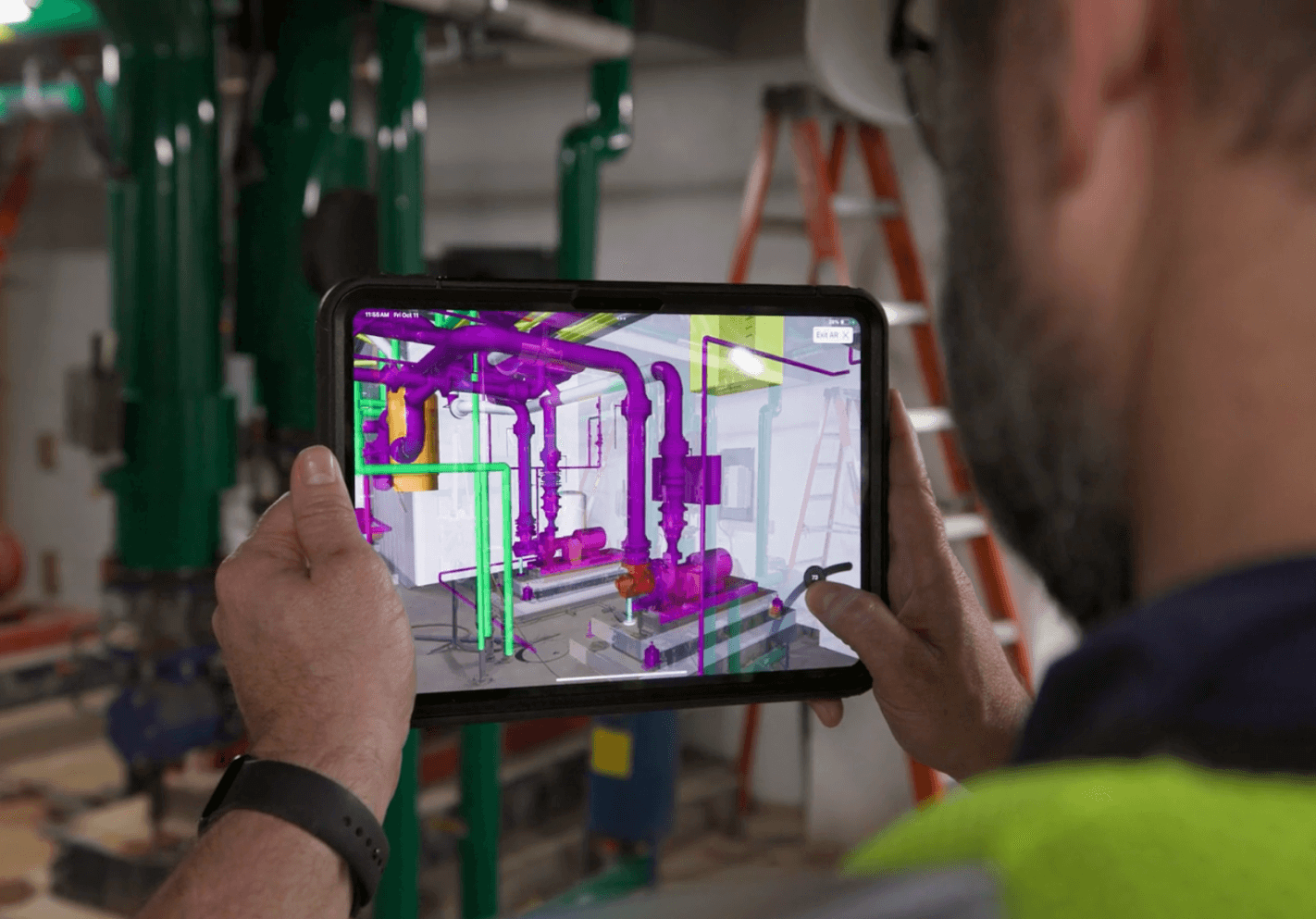
BIM transforms construction by fundamentally changing how projects are planned, executed and managed. The technology enables teams to virtually build and optimise structures before construction begins, significantly reducing rework (which traditionally accounts for 30% of construction work) and preventing costly design clashes. Through multiple dimensions of project optimisation, BIM provides comprehensive project control and visualisation that was previously impossible.
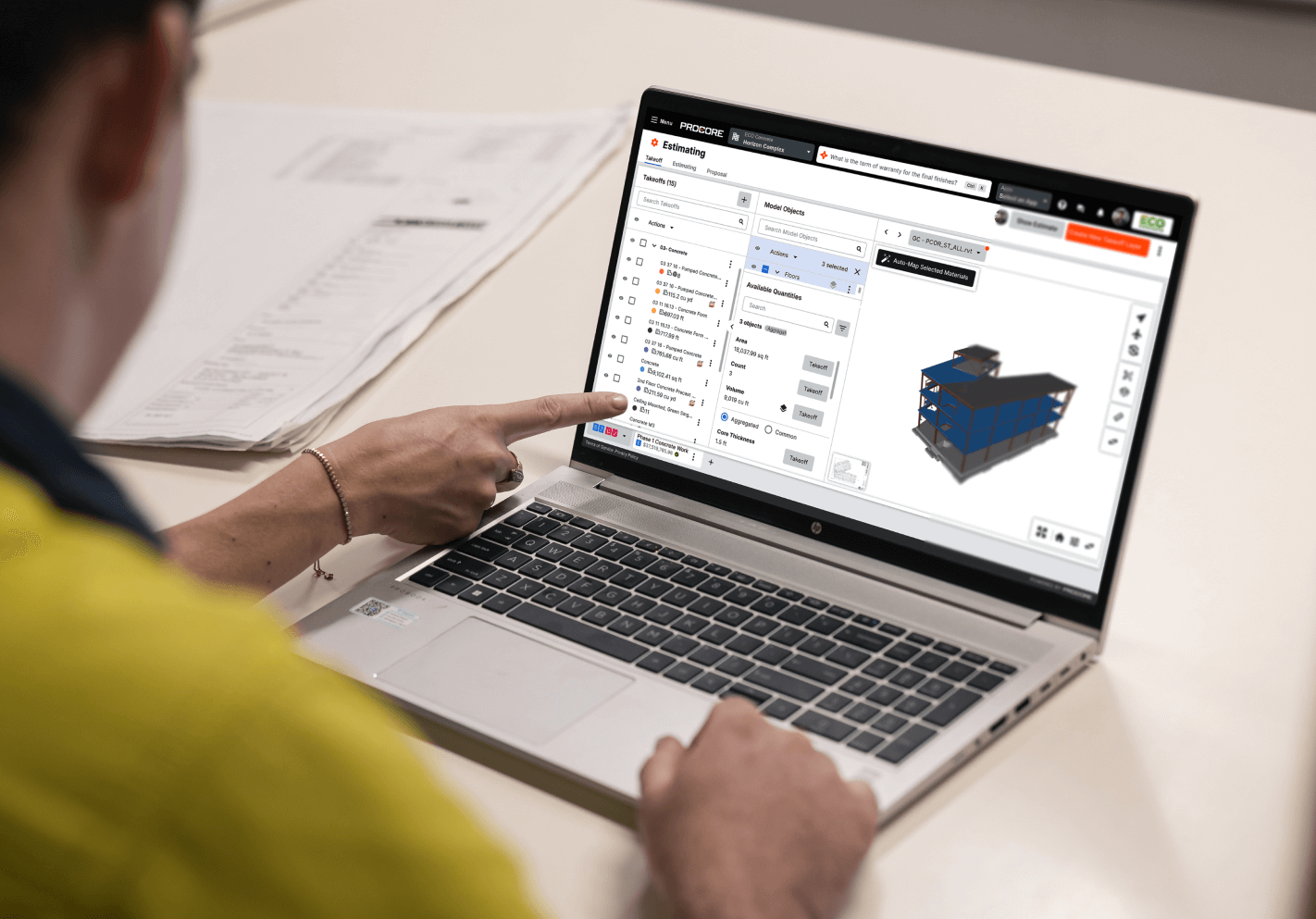
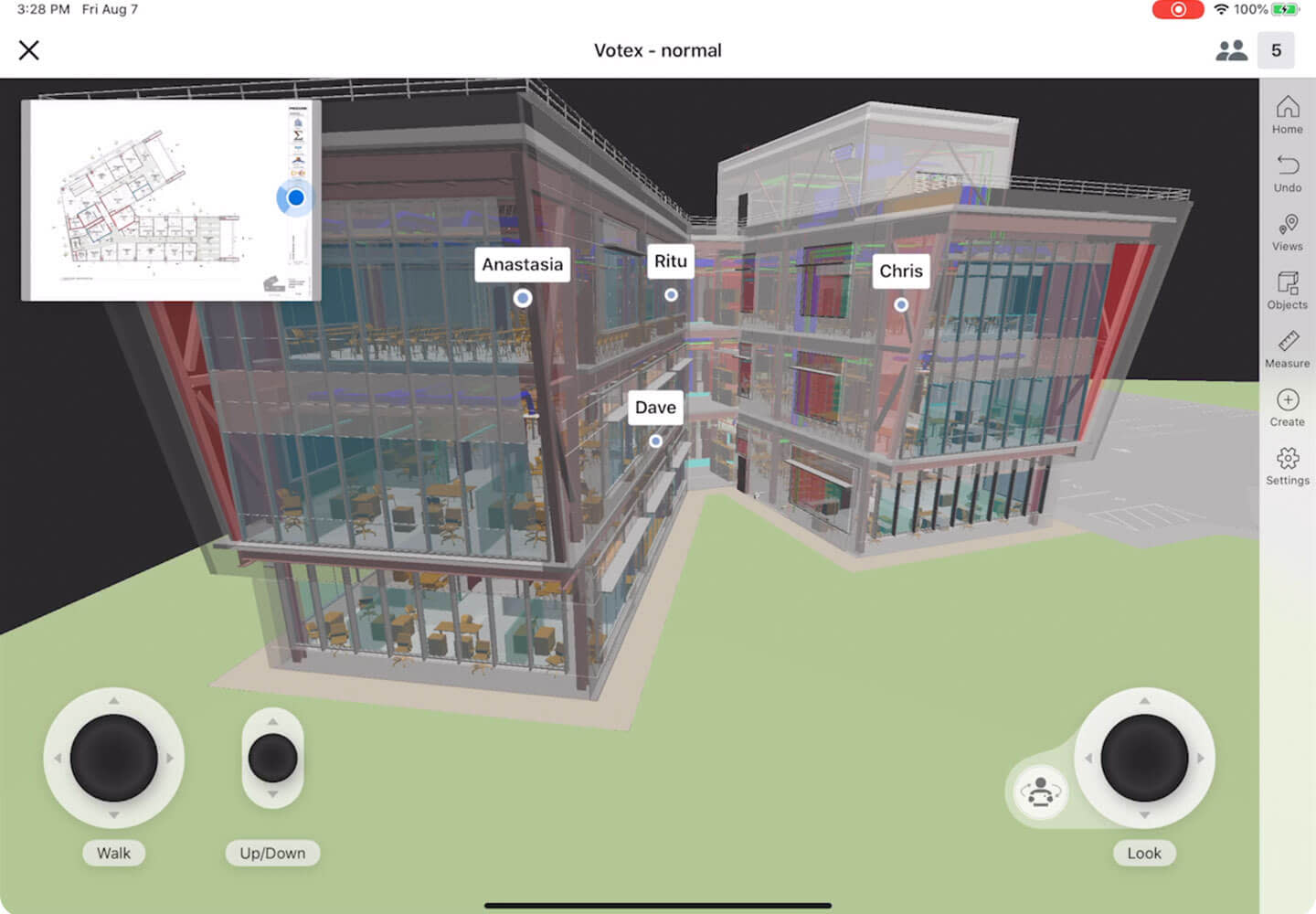
This digital transformation improves collaboration by giving all stakeholders shared access to project information, breaking down traditional silos between architects, engineers and builders. BIM enables more accurate cost estimation, efficient building processes and better risk management through improved planning and site condition verification. The technology also enhances safety on worksites and facilitates smoother project closeouts by maintaining valuable data for facility management and operations. In an industry challenged by tight timelines and margins, BIM has become essential for maintaining competitiveness and ensuring projects are completed correctly the first time.