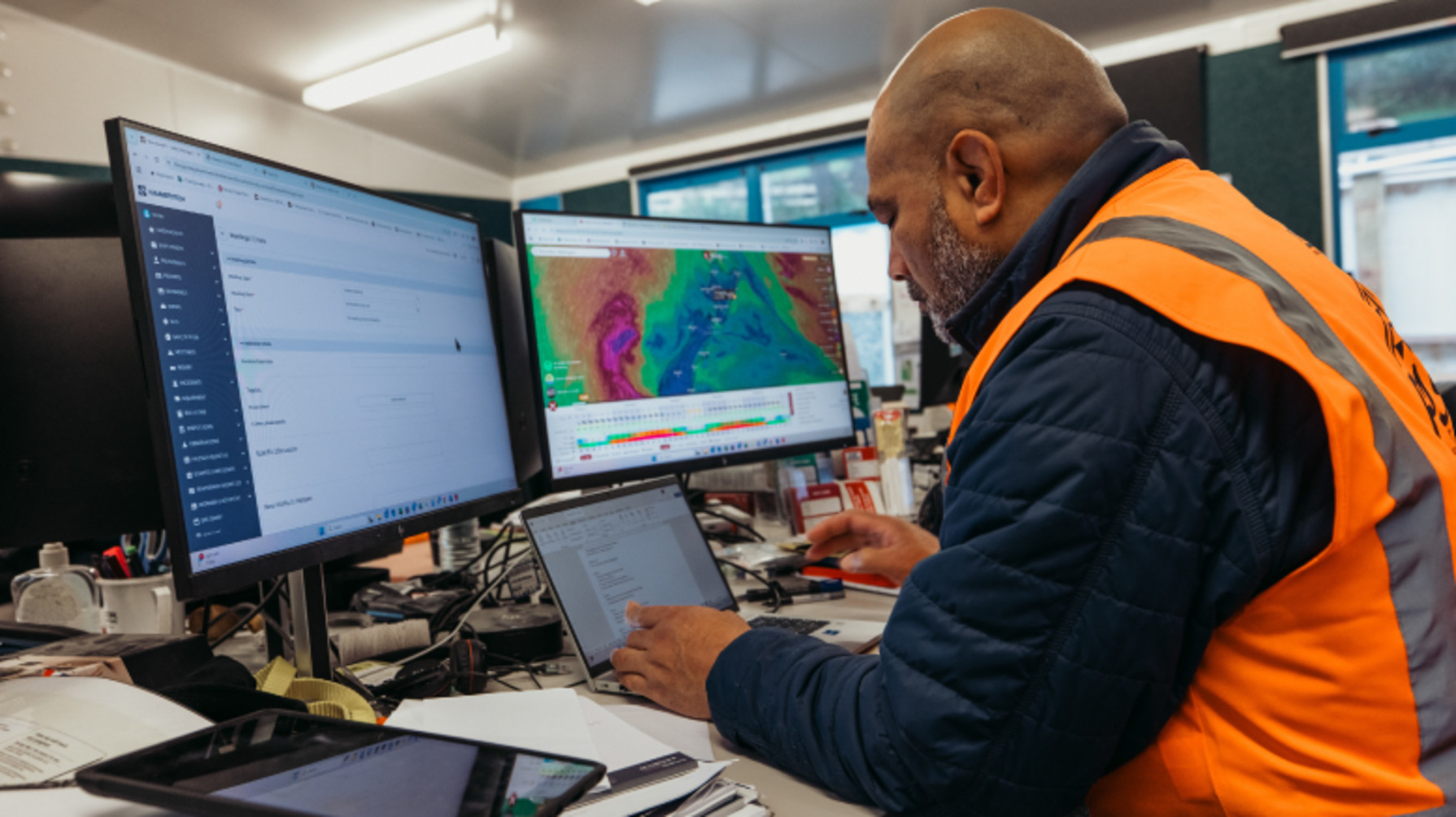
For decades, specialty contractors have relied on the tribal knowledge of veteran superintendents to keep projects moving. These leaders could read the field like a map, knowing instinctively which foreman could handle a complex install or which crew would likely finish early.
But for contractors operating on intuition, the impending retirement of veteran superintendents and skilled tradespeople creates a significant risk. As these pros retire, they take that "gut feeling" with them, leaving firms to make sense of the scattered whiteboards and spreadsheets they leave behind.
This isn't just a loss of talent: It’s a loss of the data needed to scale. To stay competitive, you must move from the "rearview mirror" of manual entry to a proactive, unified approach to your most valuable asset: your people.
The 4 biggest labor risks
In an industry where labor is often the largest expense, these four common risks do more than just slow down a project — they can blow up budgets and erode margins.
1. Windshield time
Without a regional view of crew locations, you lose thousands to "windshield time" — unproductive hours spent moving between sites due to scheduling overlaps.
If your Resource Manager lacks real-time foresight into availability, you’re paying for travel instead of production.
2. Paperwork tax
A foreman’s day often ends with two hours of "unpaid homework" chasing paper time cards. By the time this data reaches the office, it is often double-entered, creating an administrative burden and increasing entry errors that can lead to payroll disputes.
3. Hidden skill gaps
Nothing halts a project faster than realizing too late that your on-site crew lacks the specific certifications required for the day’s scope. Without a holistic view of skills and standardized workflows, you risk overstaffing one job while another sits idle.
"I’ve been in companies with four project managers and four superintendents, but 16 different ways of doing things. The value of a standardized workflow is that you can 'plug and play' team members at any time, whether it’s a promotion, a new hire, or a company expansion. Companies without established workflows are simply less nimble." — Jake Kunken, Enterprise Solution Specialist, Procore
4. The danger of data silos
When labor hours are tracked in a silo, away from the budget and schedule, you don't see overages until it’s too late. When you manage finances, procurement, and labor planning differently on every project, it makes it impossible to scale or grow.
If you move a crew to a "hot" job, you need to know the immediate impact on the budget they just left, not wait for an end-of-month report.
Digital intuition for the field
Procore Resource Management supports veteran experience and intuition with real-time, field-verified data. It empowers emerging leaders to make high-level decisions backed by a single source of truth.
Strategic scheduling: Stop guessing who is qualified. Resource Planning matches your pool of skilled craftspeople to jobs based on a centralized hub of certifications. Intuitive drag-and-drop Gantt charts and digital dispatch boards let you forecast needs months in advance.
Guardrails for margin protection: Resource Tracking creates digital guardrails, allowing labor to be allocated to the correct cost codes the moment it’s entered. By capturing actual hours and progress from the field, you can compare planned vs. actual labor costs with a single click to help prevent margin-killing overruns.
Restoring the craft: Foremen belong in the field, not in the trailer. By streamlining reporting through a mobile-first interface, Procore helps remove the paperwork tax, allowing leadership to focus on mentoring the next generation.
The power of integration: Labor meets the bottom line
The true power of Procore is knowing how your people affect project health. When Resource Planning and Resource Tracking integrate with Project Financials and Change Management, data flows seamlessly.
If a change order requires an extra crew, you instantly see implications to the budget and forecast across the entire portfolio. No more double entry – just unified control over your most expensive resource.
"Labor shortage is something that I think everyone's dealing with right now. We've been able to utilize Procore for forecasting and understanding our labor needs. By using resource planning we’re able to forecast and create reports that we can distribute into the hands of the people that need it for hiring, estimating and for acquiring new work."
– Mike Van Eerde, Branch Director, Classic Fire + Life Safety Inc.
Ready to stop managing by gut feeling? Start turning every labor hour into project profit.
Written by

Solutions Engineer, Civil and Infrastructure, Procore
Start growing with Procore today
With tools to make every part of your process more human and a support team excited to help you, getting started with any project has never been easier.