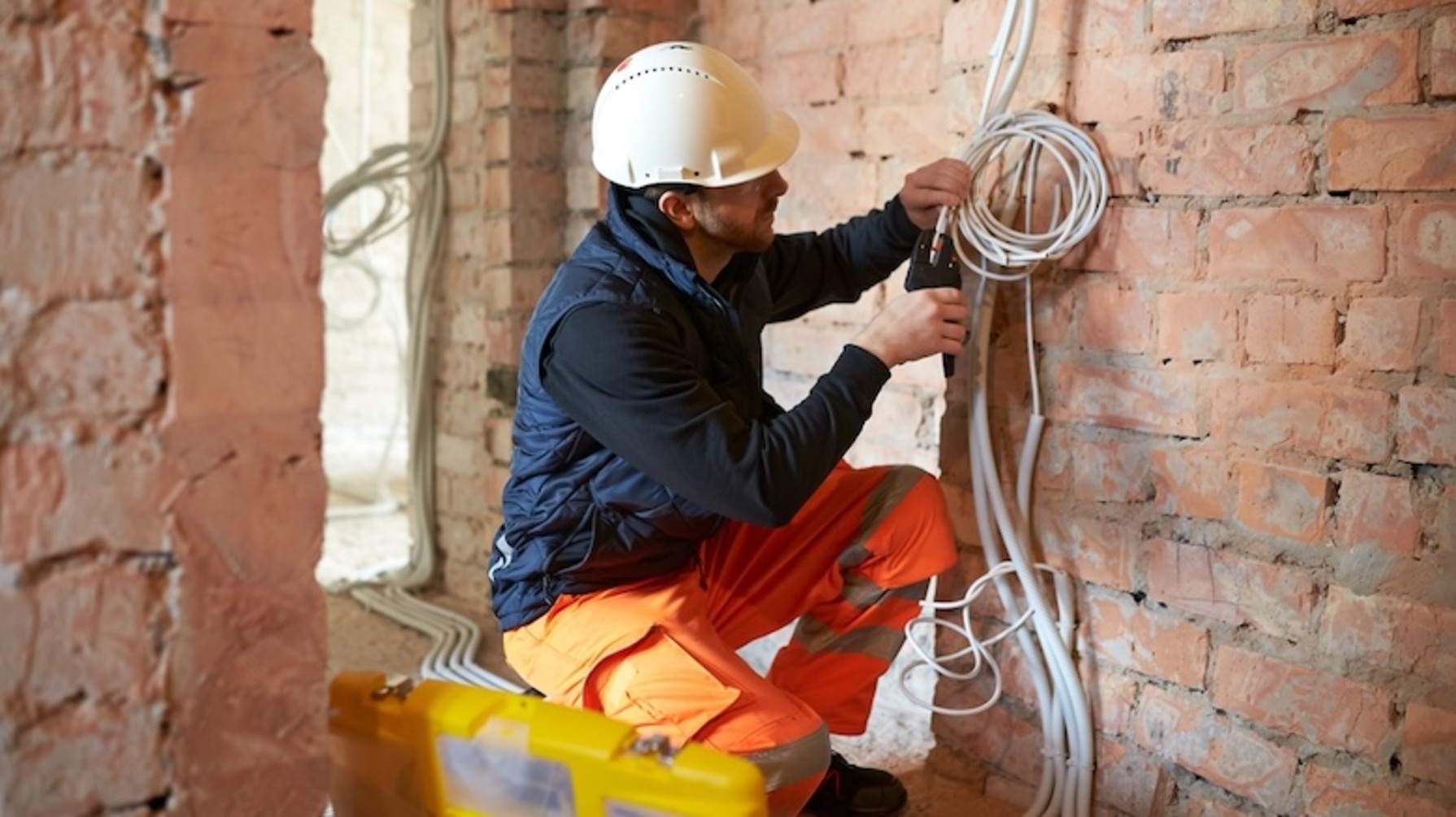
Reactive tracking methods can invite margin erosion due to multi-day information lags that keep both the field and back office in the dark. When a safety hazard or installation anomaly goes unrecorded, the stage for a severe financial and operational setback is set.
By the time the risk is manually processed, a minor field variable has compounded into a costly liability.
Relying on legacy point solutions or manual tracking means operating with a dangerous blind spot. For self-performing specialty trades, risk mitigation demands immediate, predictive attention.
The high cost of reactive damage control
Delayed field logs and retrospective walkthroughs trap specialty contractors in an expensive, defensive cycle of damage control.
When documentation stays trapped on physical clipboards or disparate spreadsheets, project management operates blindly. The multi-day delay between identifying a physical risk and executing a field fix exponentially drives up project overhead. What appears to be a minor delay to a field crew translates into a massive corporate blind spot when that production data takes a week or more to reach office systems.
This lag in knowledge transfer strips leadership of the opportunity to get ahead of the issue. Without real-time field visibility, minor installation friction points can turn into critical financial overruns before executives have a chance to pivot or provide a remedy.
Intercepting defects to shield profit margins
Catching an installation defect during the active workflow rather than discovering it during a final owner punch list represents the ultimate operational win. Real-time interception protects the bottom line by completely eliminating the toxic, high-cost cycle of tearing down and rebuilding completed work.
Moving away from traditional tracking requires giving field teams a tool that converts immediate observations into live financial intelligence. For example, if an HVAC installer discovers an unmapped structural conduit blocking a ductwork run, they cannot afford to wait for a weekly coordination meeting.
Construction management software is engineered to help address this by establishing an instantaneous line of field-to-office communication on a single, unified platform.
Real-time observations: Foremen capture visual evidence of constraints directly from the field, instantly logging the issue, attaching precise location parameters, and assigning corrective actions to the responsible parties immediately.
Standardized digital inspections: Live, verifiable digital quality benchmarks replace static paper checklists, enforcing strict quality control and accountability at the exact point of installation.
Protected margins and schedule: Intercepting errors early can help save critical path hours and preserve crew momentum by eliminating the grueling drag of avoidable rework.
Quality and safety enforcement
High-risk operational phases — such as complex utility tie-ins, major concrete pours, or commissioning high-value mechanical equipment — leave zero margin for error. A single overlooked benchmark can result in catastrophic equipment failure and severe human safety hazards — resulting in litigation exposure.
Contractors can help eliminate this vulnerability by replacing static safety manuals with digital Action Plans.
These frameworks act as real-time playbooks that build sequential safety gates directly into the active production schedule. This structured methodology enforces mandatory field hold-points, restricting crews from advancing the install until specific safety and quality benchmarks are digitally verified.
Shielding contractors from liability
When an unforeseen jobsite event occurs, an indisputable digital record helps protect the business from unfair liquidated damages, indemnity claims, and schedule disputes with general contractors.
If a third-party constraint later impacts the critical path, the subcontractor possesses the comprehensive historical backup required to prove their team acted proactively. This shifts the legal and financial liability off their shoulders, protecting corporate cash flow and securing disputed claims.
Getting the real-time advantage
An automated digital workflow can help neutralize liabilities the moment they appear. When specialty contractors empower their field teams with real-time risk mitigation tools, they stop reacting to operational threats and begin actively preventing them.
Construction management software can help centralize this risk architecture, supporting a predictable, trusted operation known for protected margins and an uncompromised commitment to safety.
Written by
Campaign Manager, Procore
Start growing with Procore today
With tools to make every part of your process more human and a support team excited to help you, getting started with any project has never been easier.