Customer Story
An infrastructure owner scales its portfolio with AI-powered asset insights
SJ Hamill Construction, LLC is using Procore to capture more actionable data and pass years of capital project execution knowledge down to the next generation.

The Challenge
SJ Hamill Construction, a marine and heavy civil contractor and asset builder in Charleston, S.C., relied on fragmented tools and delayed reporting to track project delivery and lifecycle costs. In a high-risk marine environment, that made it difficult to connect field performance with real-time financial impact on their capital portfolio. As the company expanded its operations, leadership also faced a widening gap in institutional knowledge as experienced infrastructure experts left the industry.

The Solution
SJ Hamill adopted Procore to centralize asset, financial, and field data, creating a single operating system from project concept through final delivery. The company chose Procore because the platform’s architectural philosophy matched how they already think about data.
"You start at the base, structure it up, and let each layer link to the next as it flows up the chain," says Joe Moses, Controller, SJ Hamill Construction. "The strength of Procore is in the structure underneath. It’s flexible enough to adapt to our workflow, but disciplined enough to keep data clean."
That clean architectural foundation is exactly what AI requires to ingest data and drive deeper value. By leveraging Datagrid—Procore’s AI solution—SJ Hamill is now structuring decades of historical and real-time information. This clean data ecosystem is turning raw project documentation into captured field knowledge, providing sharper portfolio visibility, and helping to support informed risk management across complex capital projects.

The Results
- Transformed fragmented project data into a unified, AI-ready asset foundation that bridges the gap between field execution and financial metrics.
- Shifted from reactive reporting to proactive, real-time risk monitoring and capital management across complex builds.
- Turned years of structural delivery experience into accessible, captured field knowledge for the next generation of builders.
- Scaled asset operations efficiently to optimize existing administrative workflows.
- Established an extensible platform that absorbs new technology as it emerges — supporting today's investment and tomorrow's flexibility.
“We already have a lot of historical data — how we’ve done things, how we’ve solved problems. Procore AI gives us a way to consolidate that and make it more accessible.”

Joe Moses
Controller
SJ Hamill Construction, LLC
Learning from the field, not just the office
For a controller, Joe Moses didn’t have the typical introduction to the capital development. Hired fresh out of college by a GC doing a local job, Moses found himself working not in a corporate office, but alongside field teams on the job site. That experience gave him a unique appreciation for a controller’s impact —and the power of data over the entire lifecycle of an asset.
“I don’t really feel like I’m doing my job unless I can see insights daily and be able to make better decisions that mitigate risk,” Moses says.
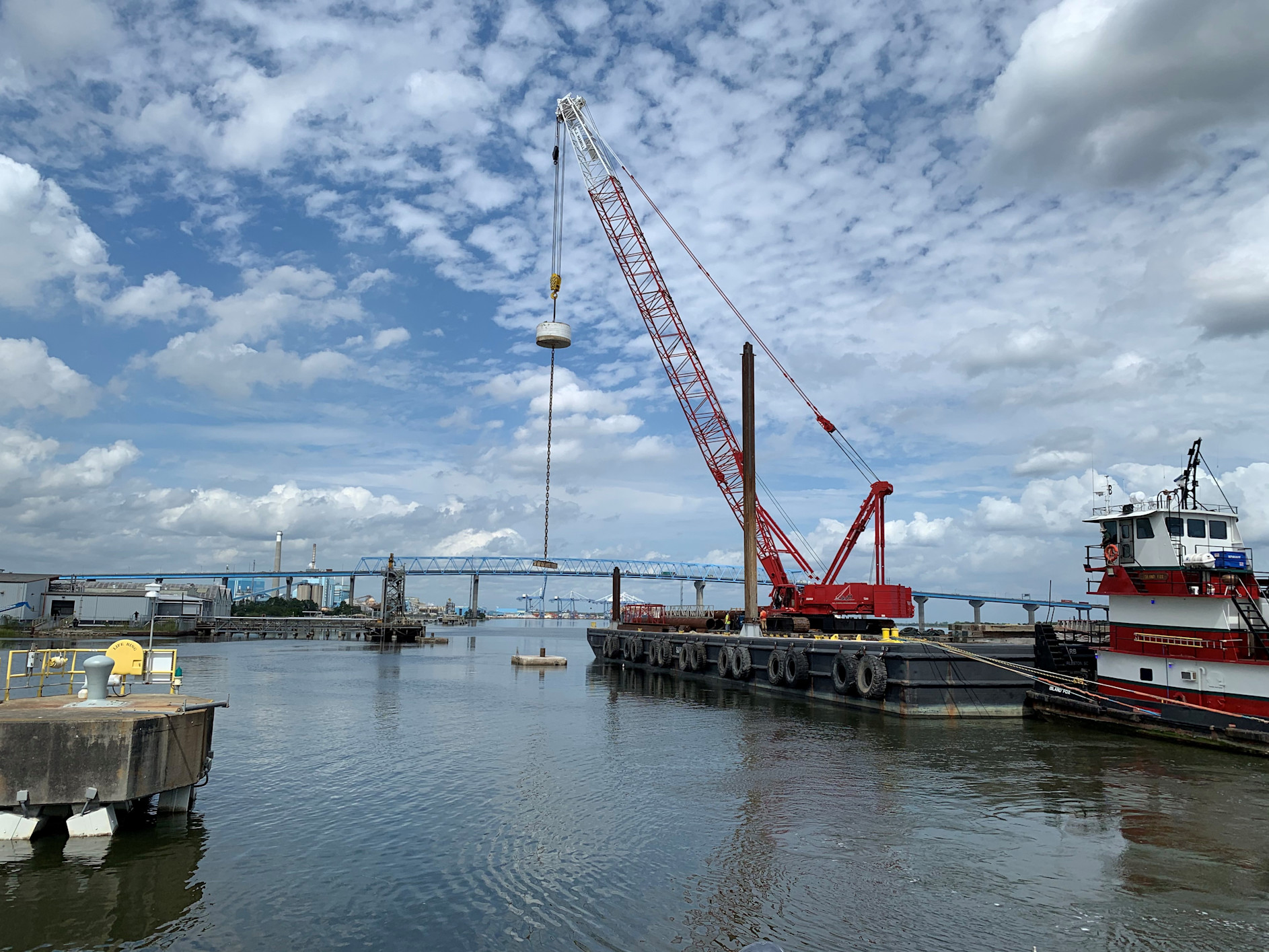
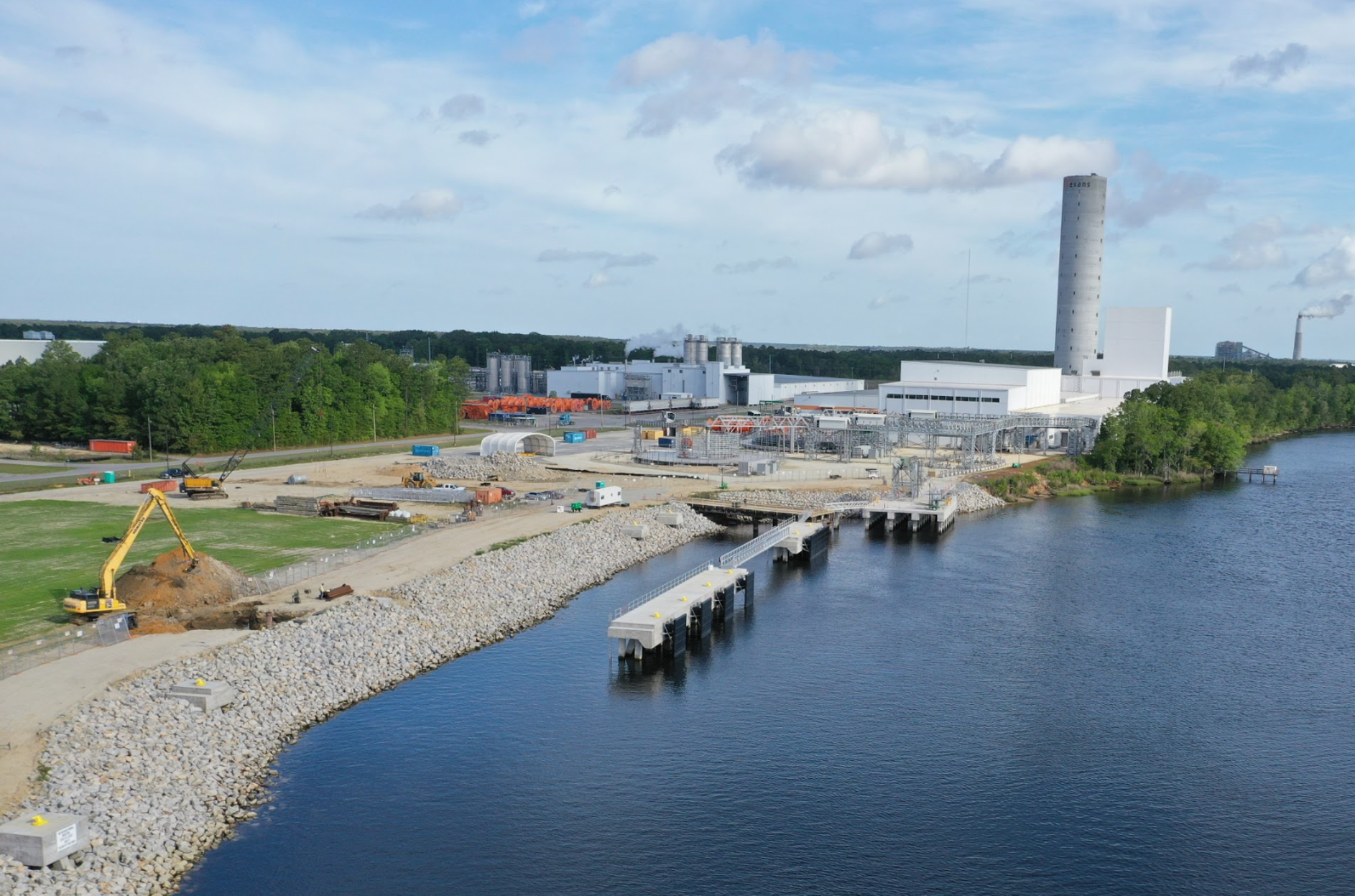
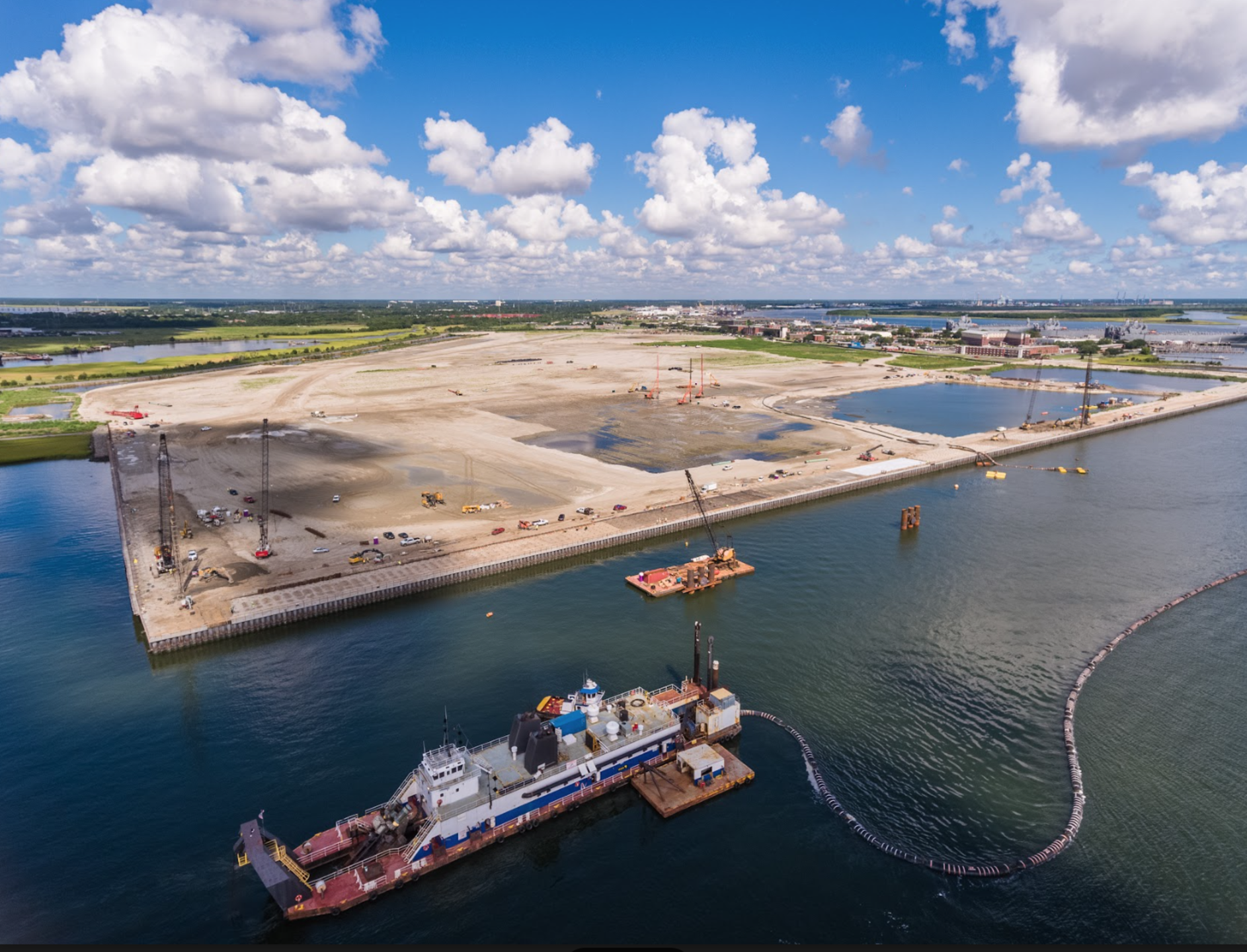
That perspective proved valuable when he joined SJ Hamill Construction, a marine and heavy civil asset builder based in Charleston, S.C. The company specializes inshoreline stabilization, bulkheads, revetments, living shorelines, marine pile driving and shoring. permanent infrastructure built in constantly shifting conditions that can change the course of a project overnight. In that environment, experience is often the difference between staying on track and falling behind.
“There’s so many variables to marine work,” he says, “you have to be prepared, because every day could be something different.”
Turning field data into real-time decisions
When Moses arrived, SJ Hamill had visibility into field activity, but not into the financial picture behind it, making it difficult for Moses to gauge the true health of a project. “We knew what our daily timesheet hours and our bodies were, but there was no cost backing this stuff up,” he says. “So, it was working, but only for a company that was going to stay that size — and my role was to grow it.”
Making matters worse, most of the financial data lived in the ERP system, which was not where field teams were spending their time. That approach led to too much lag, too many assumptions and too little shared understanding. In construction, project operations are the backbone — but most companies run on an ERP built to tell you what a job cost, not why. The assumptions, field conditions, and mitigation decisions that actually drive margin rarely make it into a system anyone can search on the next bid.
“For us, the shift to real-time visibility wasn’t about uncovering one specific issue,” he says. “It was about giving more people access to the right data.”
Another challenge was more personal. For a business building long-term infrastructure in unpredictable environments, the experience of the team is often what separates a project that stays on track from one that doesn’t. But as the business grows, relying on a handful of seasoned leaders becomes increasingly difficult – especially as those leaders retire. “You can’t rely on one or two experienced people across every project,” Moses says. “It just doesn’t scale.”
Building data from the field up
Having worked with Procore in a previous job, Moses knew it could provide the single source of truth the company needed — serving as a backbone that understood the realities of heavy civil and self-perform workflows.. “What I knew about Procore was that they were investing in the self-perform space, the civil space,” he says. “As we grew, I knew Procore would grow with us.”
With the platform in place, SJ Hamill focused on capturing better data at the source and then bringing that information into Procore, where it could be standardized and shared. That meant rethinking how information was gathered in the first place — not from the top down, but from the bottom up, so the data would actually reflect the health of each build.
“We want to build data from the field level and then expand on that as it moves up through the organization,” Moses says. “Procore really supports that. It gives us a strong foundation at the project level, where the data is created, and then as it flows up, we can add to it, refine it and use it for better reporting and insights.”
Once that connection was in place, production, cost and schedule were no longer separate conversations. Teams could see how work was performing against expectations as it was happening, rather than trying to reconstruct the financial story after the fact.
Making performance a leading indicator
That shift was especially evident in how the company approached production itself, moving from a backward-looking exercise to something that could guide decisions in the field. “One of the biggest ways we use Procore is for production reporting,” Moses says. “For us, everything starts with the estimate — we believe you win or lose a project there.”
With production tied directly to those estimates, performance becomes a leading indicator rather than a lagging one. When production begins to drift, teams can see it and respond before the impact spreads. “If we start to fall behind those expected production rates, it’s a signal to dig in and understand why,” Moses says. “In our world, if labor production falls behind, everything else follows. Equipment costs go up, material costs increase and the job can quickly get out of control.”
With real-time visibility, those conversations happen sooner — and with better information — giving teams immediate insight into project status.
Capturing experience and scaling it with AI
Once SJ Hamill could see what was happening across their operations, the next challenge became how to preserve and scale the institutional experience behind those decisions.
“We’re trying to use AI to capture and learn from our more experienced people,” Moses says. “Our industry isn’t just about knowledge—it’s about experience. And that’s actually the bigger challenge we’re facing right now.”
Using Procore AI and Datagrid, SJ Hamill is beginning to structure the data it has collected over years — daily logs, production records, field decisions — into something more productive. Instead of existing as isolated project history, that information can be organized and surfaced in ways that make it usable across the organization.
“We already have a lot of historical data — how we’ve done things, how we’ve solved problems,” Moses says. “Datagrid gives us a way to consolidate that and make it more accessible to younger employees. At the end of the day, it’s about using that data to help transfer knowledge to the next generation and give them access to insights they wouldn’t otherwise have.”
Growing revenue, not overhead
That effort is already taking shape in practical ways. Moses points to safety as one early area of focus, where teams are exploring how AI can make critical information easier to access in the field.
“Our goal is to bring that knowledge directly to the field in a simple way, so someone can ask a question like, ‘What do I do in this situation?’ or ‘What’s the rule here?’ and get an answer right away,” he says.
Over time, he expects those capabilities to expand, helping teams review project data and identify patterns and risks.
That ability to surface knowledge in real time is having an impact beyond individual decisions. “Instead of hiring more staff to handle that work, we’re building systems that allow us to do more with the team we already have,” Moses says.