Customer Story
Transitioning from manual tracking to data-driven outcomes
The City of Memphis partnered with Procore to digitize construction project management and improve stakeholder confidence

The Challenge
The City of Memphis managed its infrastructure portfolio using disconnected spreadsheets and manual paper processes. Lacking a single source of truth, teams faced conflicting data on project status and funding streams, which limited operational transparency and delayed critical public reporting.

The Solution
The City of Memphis implemented Procore to centralize project documentation and standardize field reporting. By utilizing Procore's mobile inspections and daily logs, field teams now capture robust, real-time data and high-resolution photos, providing stakeholders and contractors with immediate operational visibility

The Results
- Modernized municipal fieldwork by migrating right-of-way and site safety inspection forms into a centralized digital system
- Increased reporting efficiency by capturing real-time field photos and detailed comments in minutes instead of hours
- Streamlined monthly contractor payment processing through highly detailed and readily exported daily log data
“Ten years ago, a bridge replacement project generated a paper file just a few inches thick. Today, a similar project captures multiple banker's boxes worth of rich, digital data. By leveraging that immense level of detail on a daily basis, we've made our monthly reporting effortless and built incredible confidence with our outside contractors during the payment process.”

Christopher Harper
Construction Survey Administrator
City of Memphis
Moving past paper-based silos
The City of Memphis handles critical public right-of-way infrastructure projects, balancing an average volume of $20 to $25 million annually across roadways, bridge replacements, and storm sewers. Historically, project oversight was severely bogged down by manual, paper-based records. Because individual teams tracked their metrics in operational silos, leadership was frequently forced to reconcile conflicting project data.
"We were very much on paper," explains Christopher Harper, Construction Survey Administrator. "There was no one key resource for pulling information or reporting, so we got a lot of mixed numbers when it came to project status and execution." This lack of centralization hindered capital efficiency and made public accountability a constant hurdle.
Standardizing governance to empower users
To navigate the friction of moving away from long-entrenched legacy workflows, management strategically deployed a phased implementation. The city identified internal technical champions to run initial pilot projects, allowing them to establish repeatable processes before a full-scale rollout.
Instead of treating software as an additional administrative reporting burden, leadership aligned the platform with the personal goals of the crew. "We focused on how we can design key wins for individuals in our office," Harper says. "We asked, how do we make their day-to-day processes easier than what they were prior to, and make the tool work for them?" This user-first focus quickly secured buy-in from the ground up.
Capturing robust data to protect investments
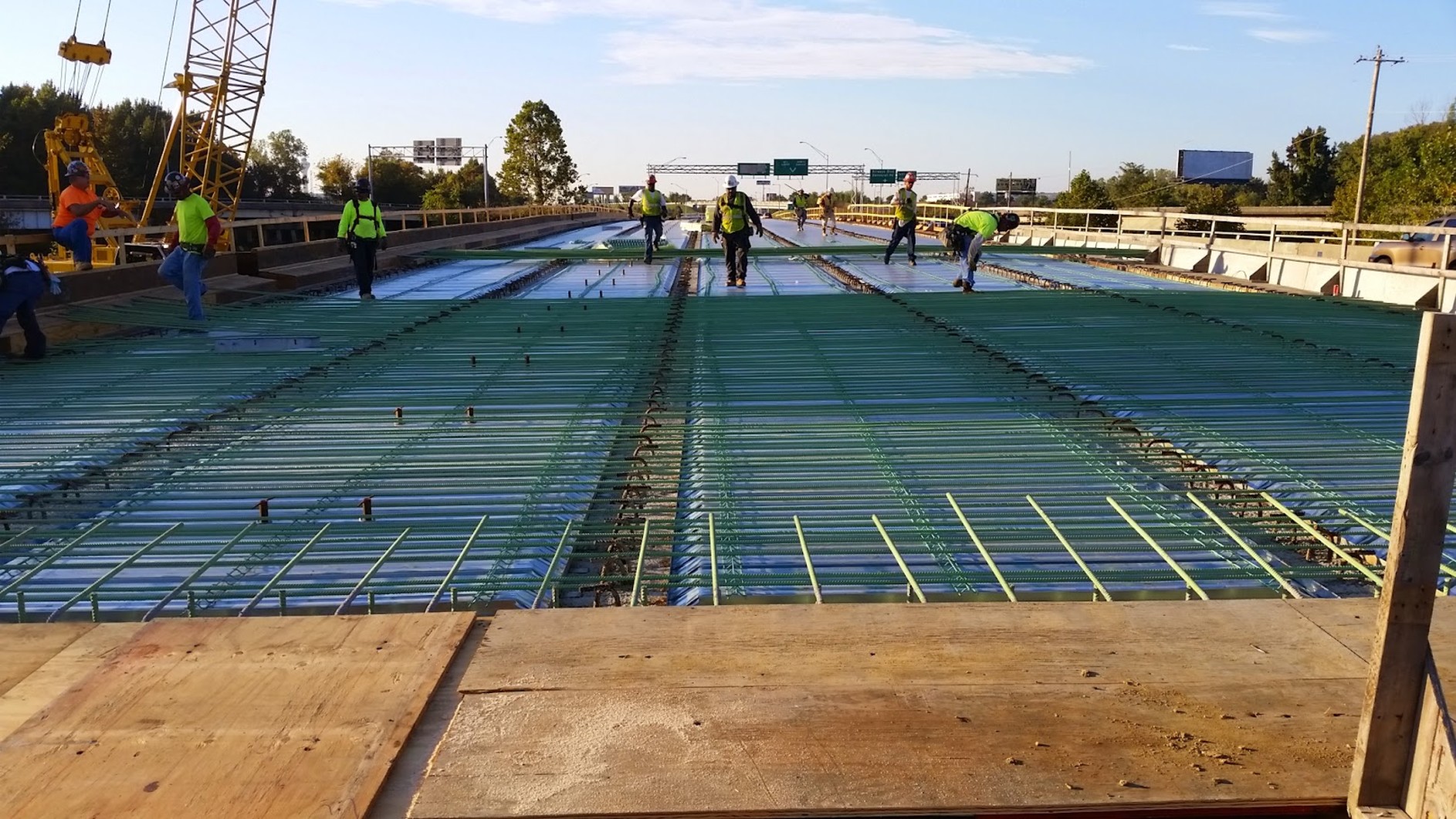
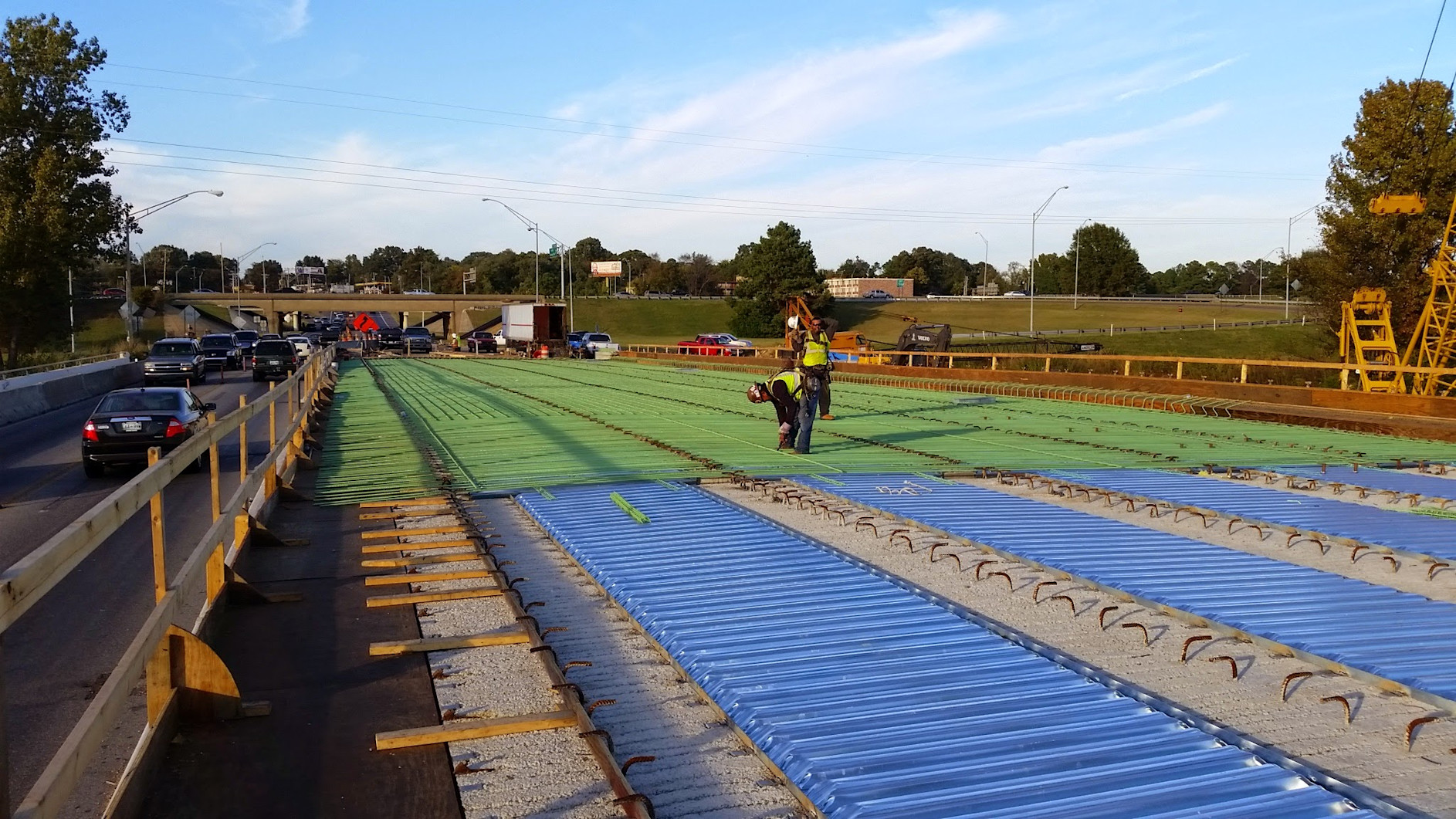
The operational shift has dramatically improved data richness and public accountability. To put this data evolution into perspective, a two-and-a-half-year bridge replacement project managed a decade ago generated a physical paper folder just two and a half inches thick. Today, a current bridge project of the exact same scale is only a tenth of the way complete, yet its digital documentation would already fill multiple physical banker’s boxes.
This level of detail has transformed standard workflows like site safety compliance . The City of Memphis converted its legacy front-and-back paper inspections into a dynamic digital tool inside Procore. Field teams now instantly attach photos, log issues, and assign tasks directly from the field. "The level of detail they're capturing on a daily basis is helping make their monthly reporting even easier," notes Harper. "That really builds confidence outside, especially when providing those payments to the contractor."
Innovating for the future
Looking ahead, the City of Memphis is focused on leveraging emerging technology to increase efficiency even further. Harper envisions using automation and AI tools to eliminate administrative bottlenecks during the final phases of construction. "Project closeout is always a pain point," Harper notes, pointing to contract balancing and finalizing change orders as prime areas for digital automation. Ultimately, the goal is to continue using smart data tools to keep local infrastructure moving forward smoothly. "It's about maintaining that buy-in with our stakeholders and providing a dynamic report that highlights the intricacies of each project," says Harper. "We want to make the day-to-day processes easier and make the tool work for our team."