Customer Story
Deploying Procore AI to cut through industrial complexity
Adler Industrial used Procore and its AI tools to standardize construction workflows, improve document control, and surface answers faster across fast-moving industrial projects

The Challenge
As integrated developer Adler Industrial expanded its portfolio and construction pipeline, teams were managing increasingly complex projects with email-based workflows and spotty document control. Large spec books, version confusion and missed communication created delays, rework and uncertainty in the field, making it difficult to maintain speed without introducing risk.

The Solution
Adler implemented Procore to centralize drawings, documents and communication in a single system. By standardizing workflows and giving field teams real-time access to current information, using Procore helped reduce confusion and align teams. Procore’s AI tools provide a streamlined method for navigating large project documents to find key information.

The Results
- Used Procore AI to assist in the navigation of extensive documentation by surfacing relevant information
- Helped synchronize communication by providing field teams with access to the most current drawings
- Streamlined the onboarding process by providing new engineers with immediate access to project-critical information
- Helped reduce version conflicts by centralizing the most current project documentation
- Facilitated subcontractor coordination through a shared platform for project updates
“Without Procore, managing this portfolio would require twice the staff to track half as much data. It automates the documentation layer — logging, reporting, submittals, financial tracking — so our people can focus on decision-making and relationships rather than data entry.”

Josh Elliott
Controller
Adler Industrial
Searching for a platform to end the search for data
On a fast-moving jobsite, even a simple question can turn into a time sink when the answer is buried in a document no one has time to read.
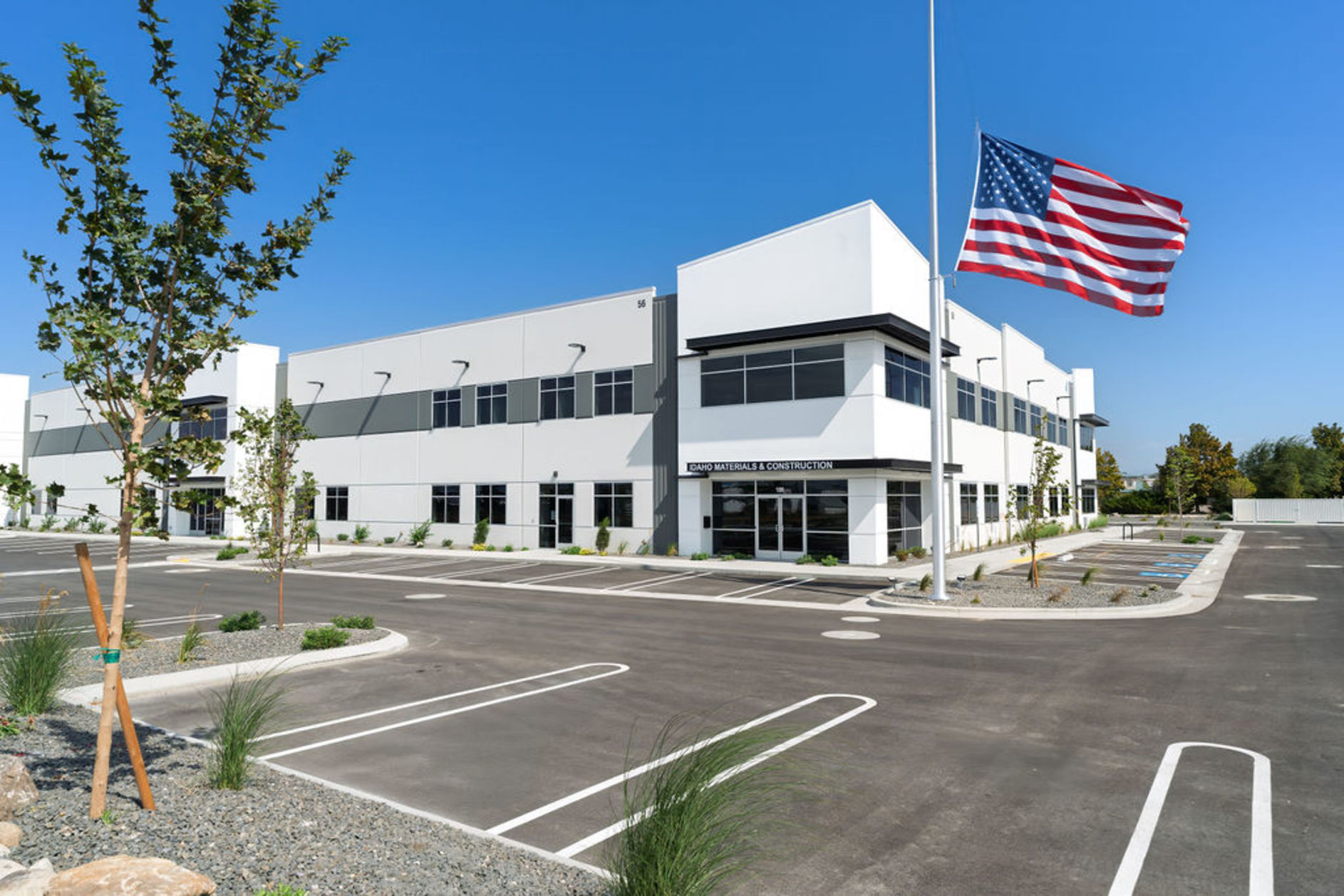
Adler Industrial is a vertically integrated builder, developer and manager of large industrial properties like warehouses and distribution centers. Rapid growth and a strategy pivot — from improving existing properties to building from the ground up — pushed the company from a handful of projects to multiple, concurrent builds across different markets, putting a strain on their outdated project management methods. “We had to figure out how to reorganize our file system so we could find our own data,” said Will Goede, VP of Development.
Finding the right drawing or spec meant searching through email threads, disparate file shares and missed replies. “Before, it was all through email, and you miss one email, and that could be a vital part of a question,” said Dylan Morrow, Project Manager. The fallout was predictable: delays, rework and people spending hours hunting answers instead of fixing problems.
Adler chose Procore as its project management platform to create a single, reliable system for project data. They moved bids, specs, drawings, RFIs and photos into the platform so everyone could work from the same source of truth. “Now, it’s all on the same page, and it’s real‑time,” said Goede. The result was simple and immediate: Field crews can now pull the current drawings on their phones instead of guessing which plan to follow.
“Everything with the Procore system helps with document control,” said Morrow. ‘“During construction, it eliminates delays from miscommunication. Field teams have access to the drawings they know are current, so they aren’t second‑guessing.”
Making the right data the default helped remove the friction and misunderstandings that used to slow projects down. “You eliminate the rework that kills schedules and budgets,” said Morrow.
Finding critical answers faster with AI
One of the most tangible shifts came from using Procore AI to parse dense specification books. Dylan recalls a recent bid with a 750‑page spec. “Using the AI makes it so much faster than reading through all those pages,” he said. Rather than scrolling and cross-referencing, the team asks the AI for the precise spec language a subcontractor needs. This assists the team in navigating the high volume of documentation associated with concurrent build phases.
“Subcontractors often get overwhelmed,” Morrow said. “Instead of trying to read through everything to find the correct spot — especially when spec books aren't perfectly organized — the AI cuts through that and pulls up what I'm looking for.”
Adler has paired the tech with strict, simple standards: templates, consistent cost codes and step‑by‑step workflows inside Procore, which can help lead to fewer surprises when projects run simultaneously in different places. “Standardization and speed feel like opposites, but Procore makes them compatible,” Morrow said. He’s seen it work in new recruits: when trained on the step-by-step processes in Procore, new engineers become productive within days, not months. “We’re not reinventing the wheel on every project.”
Centralized data also changed how Adler finds trade partners. With RFI response rates, submittal turnarounds and change-order histories stored in Procore, the team can compare bids on performance, not just dollars. “Price is a starting point, not the finish line,” said Morrow. That view helps avoid partners who generate excessive change orders and protects the schedule and budget as Adler scales.
“The centralized bid data helps us compare apples to apples,” Morrow said. “You can see who responds quickly and who maintains the level of organization we expect.”
Prioritizing subcontractor reliability over initial cost helps maintain project momentum and control construction budgets when multiple jobs compete for the same labor resources.
Moving to a real-time financial view
With Procore, finance has moved from lagging reports to real-time guidance. “Because costs are recorded accurately and immediately, we know where our budget stands at any given moment,” said Josh Elliott, Controller. Recording direct costs and invoices inside Procore means commitments and exposures are visible as they happen, supporting financial discipline during the bidding process.
For items like concrete or fuel — where market swings can spell the difference between affordable and budget-busting — early visibility helps Adler monitor fluctuations before surprises become change orders.
And what Adler captures during construction doesn’t disappear at turnover. Photos, logs and drawings travel with the project into leasing and property management, assisting with onboarding and providing a reference for post-delivery support calls. “Eventually, ownership learns they can answer their own questions, which builds trust and saves time,” said Goede.
A force multiplier for talent and common sense
Throughout, the team emphasizes that the tech hasn’t replaced common sense or craft — it’s amplified them. “It’s just super easy to use,” said Morrow. “Whether you want to go in‑depth or keep it service‑level, the tools are there, and it’s intuitive.”
To outside owners, operational visibility allows Adler to demonstrate their capabilities. “Last year, some of our smaller owners told us how happy they were because they felt like their project was our top priority, even though we had much larger ones,” said Morrow. “They felt like we were on top of everything because it was all right there in Procore.”
That accessibility is critical when the people you hire are meant to solve problems, not chase paperwork.
“Without Procore, managing this portfolio would require twice the staff to track half as much data,” said Elliott. “It automates the documentation layer — logging, reporting, submittals, financial tracking — so our people can focus on decision-making and relationships rather than data entry.”