Project program and programming
The process of defining all the physical and functional requirements of a project, serving as the foundation for the design phase.
Project programming involves defining the scope, objectives, and functional requirements of a project, forming the foundation for design and decision-making throughout the project lifecycle.
Used in a sentence
The project program defines the owner's requirements and goals, guiding the design and construction process.
Stay updated on what’s happening in construction.
Subscribe to Blueprint, Procore’s free construction newsletter, to get content from industry experts delivered straight to your inbox.
Learn MoreLearn more about Project program and programming
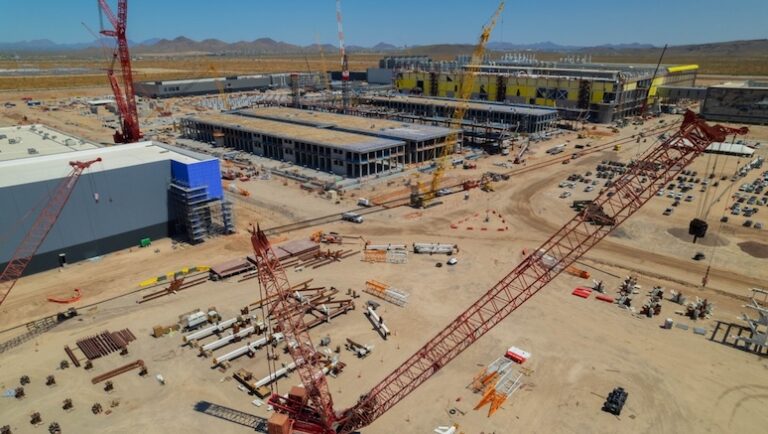
The hidden risk of relying on your EPC partner for project visibility
Many owners have thought some version of “We don’t need a capital project management platform — our EPC partner manages all of this for us.“ It’s a reasonable position. Your engineering, procurement, and construction (EPC) partner has the engineers, the scheduling tools, and the boots on the ground. Handing them project visibility feels like one […]

Why manufacturing owners are still managing capital projects like it’s 2010
There is a machine on your plant floor right now that knows it’s going to break. A sensor is reading a vibration signature on a bearing about three weeks before that bearing fails. Your manufacturing execution system (MES) has already flagged it, scheduled the swap, used artificial intelligence (AI) to check whether the replacement part […]

7 ways GCs can improve labor productivity
Every construction company wants to do what it can to improve productivity. When it can generate more output from its team in the same amount of time, revenue goes up and labor costs go down. Even as individual companies and teams lean into this, though, gains are minimal. The construction industry has lagged behind others […]
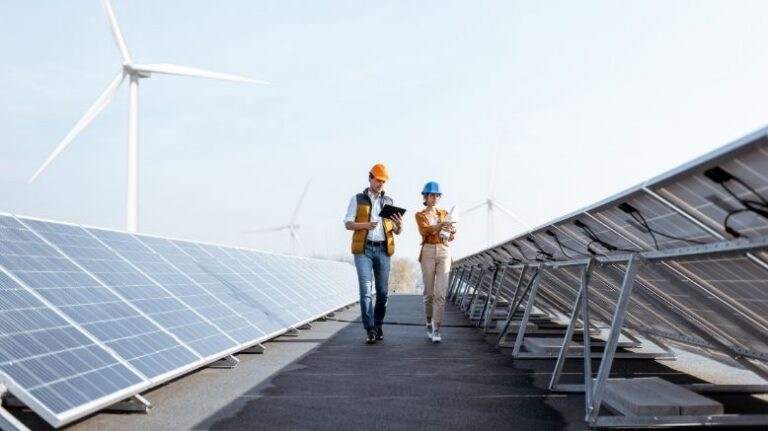
Revolutionizing Owner-Side Project Management With a Proactive Approach
The risks facing owner-operators in renewable energy extend beyond the jobsite: They stack up over long development cycles, with complex permitting and utility sign-offs, plus handoffs from development to asset management. Catalyze is an independent power producer that uses software to source commercial and industrial solar and storage projects, oversee EPC contractors, and operate the […]
How can we improve this glossary entry?
By clicking this button, you agree to our Privacy Notice and Terms of Service.