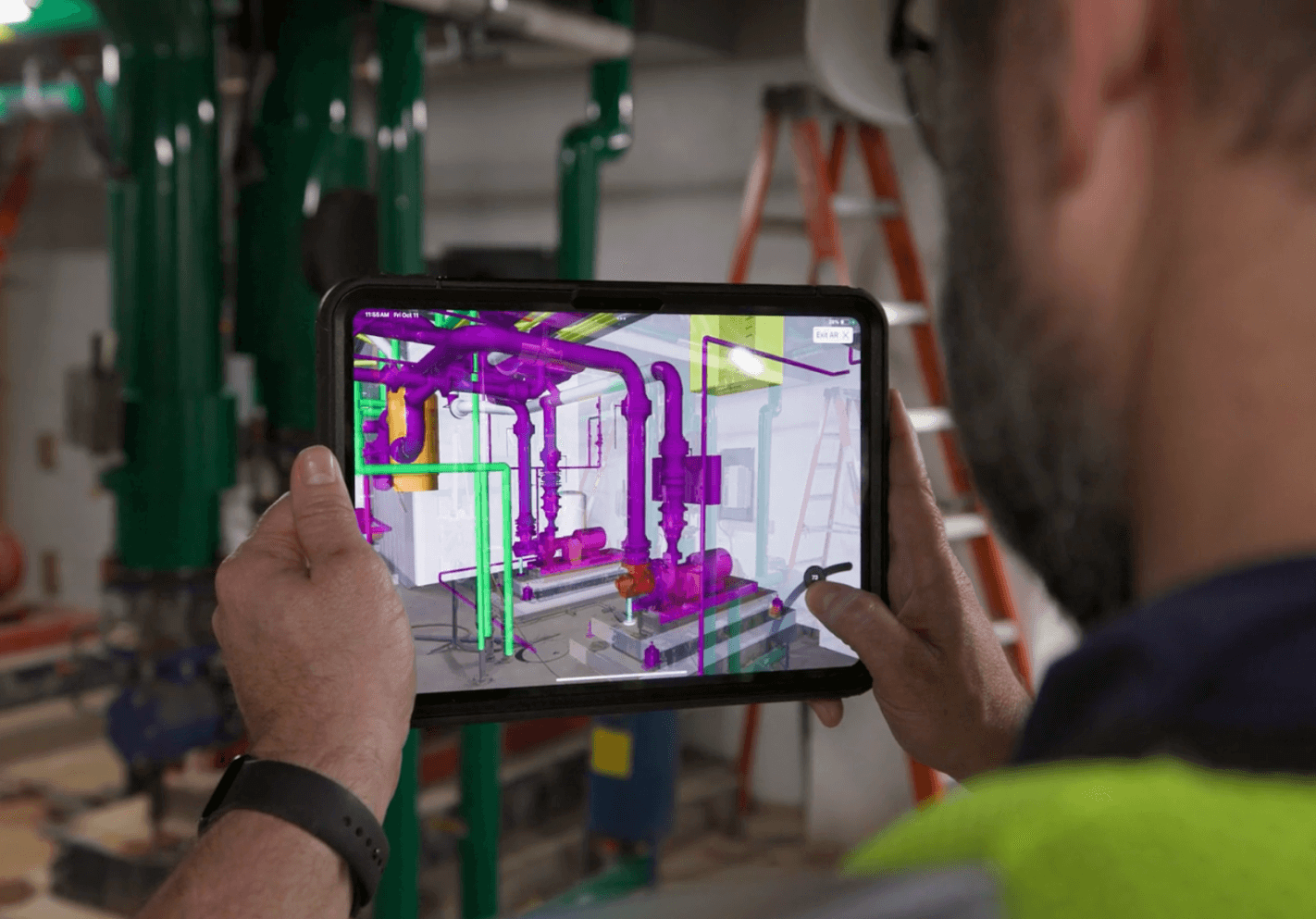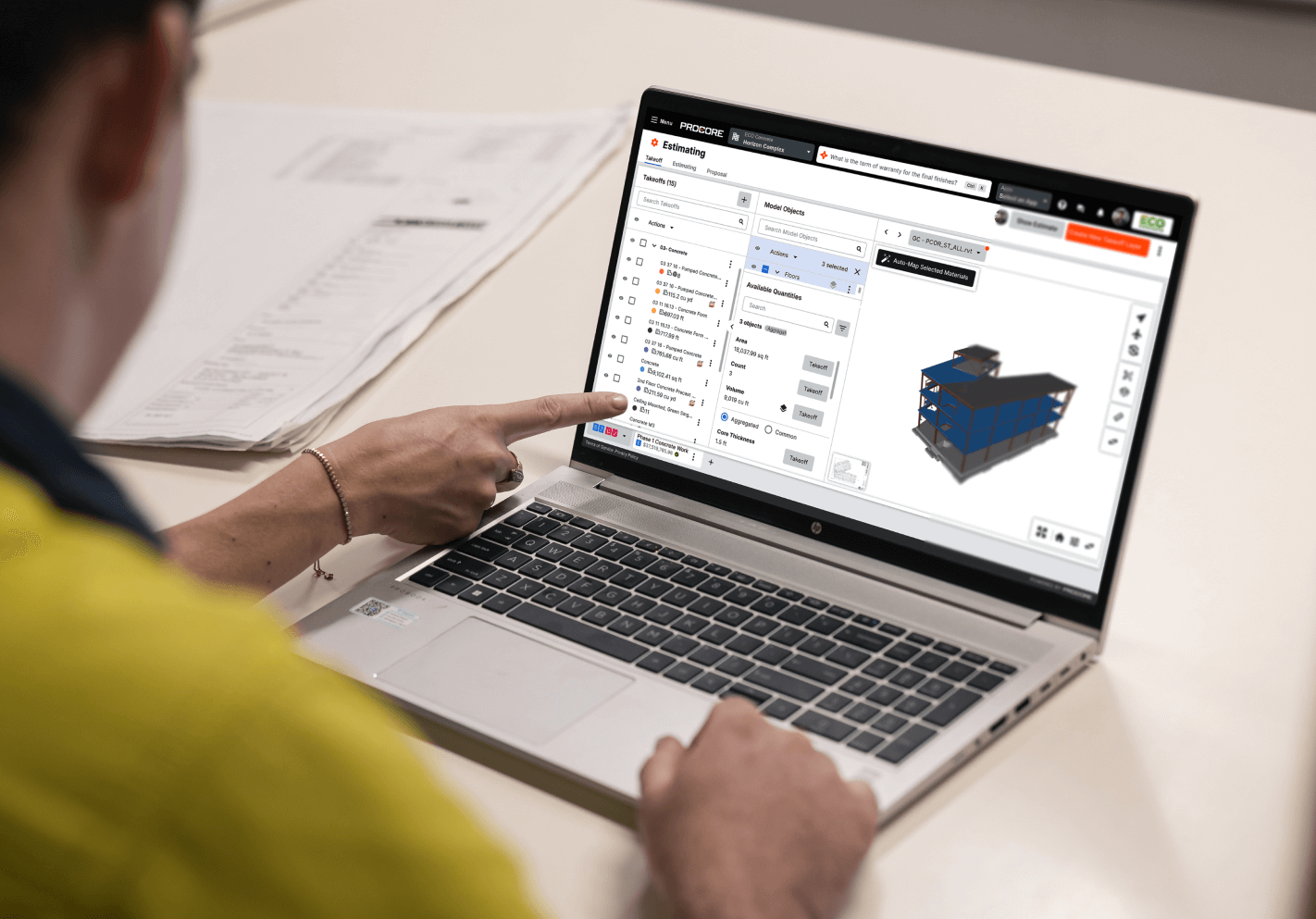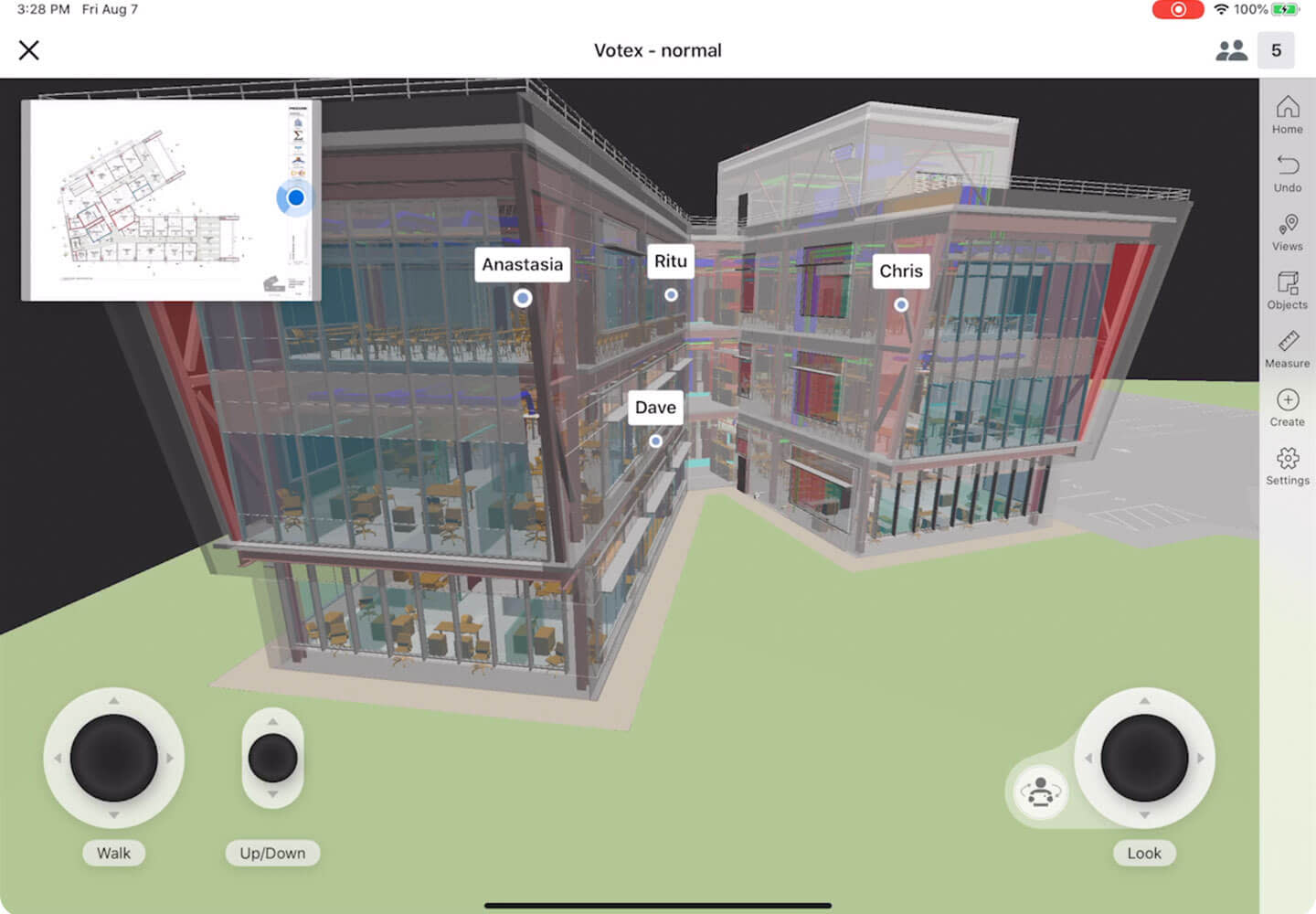
Computer-Aided Design (CAD) software is primarily focused on drawing and geometry: it produces plans and technical views (2D/3D) where the object is first and foremost a graphical representation. In contrast, Building Information Modeling (BIM) software combines geometric modeling with business data attached to the objects (materials, quantities, costs, phasing, responsibilities) — the model becomes a structured information repository, not just a drawing.
From a collaborative and operational standpoint, the difference is clear: CAD often operates with separate files and deliverables, while BIM organizes a shared model and manages versioning, traceability, and coordination between disciplines (automatic conflict detection, workflows, quantity takeoffs). BIM also facilitates advanced uses — 4D (planning), 5D (costing), logistics simulations, digital twin — and relies on exchange standards (IFC, etc.) to interoperate with other BIM software.
In practical terms, CAD remains the preferred method for detailed drawing and the production of technical documents, but BIM is the chosen approach for managing a project in an integrated way (design, construction, maintenance), improving coordination, and automating deliverables (quantity surveys, bills of materials, reports). In other words: CAD addresses "how we draw," while BIM addresses "how we build and manage" with data.
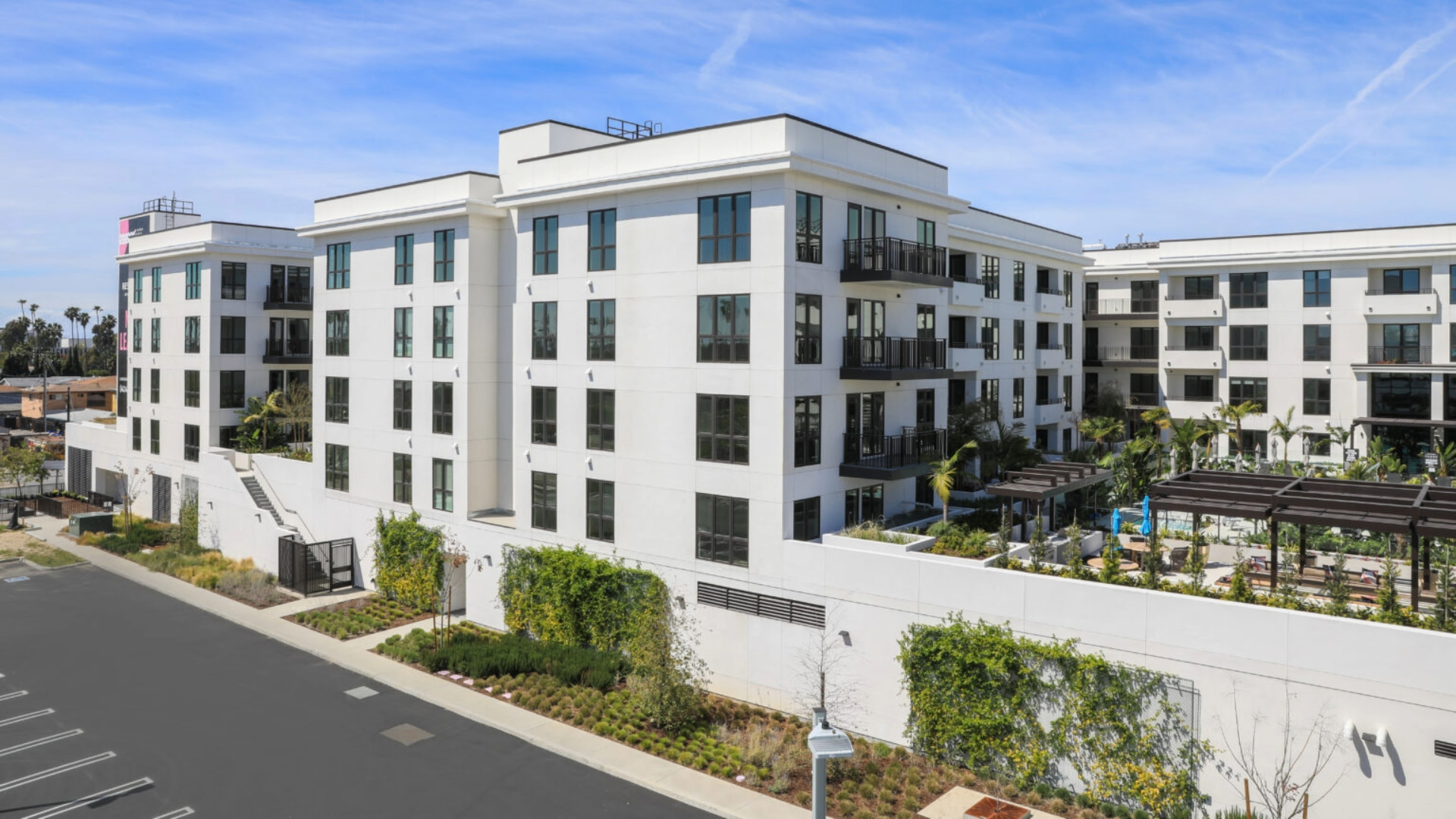
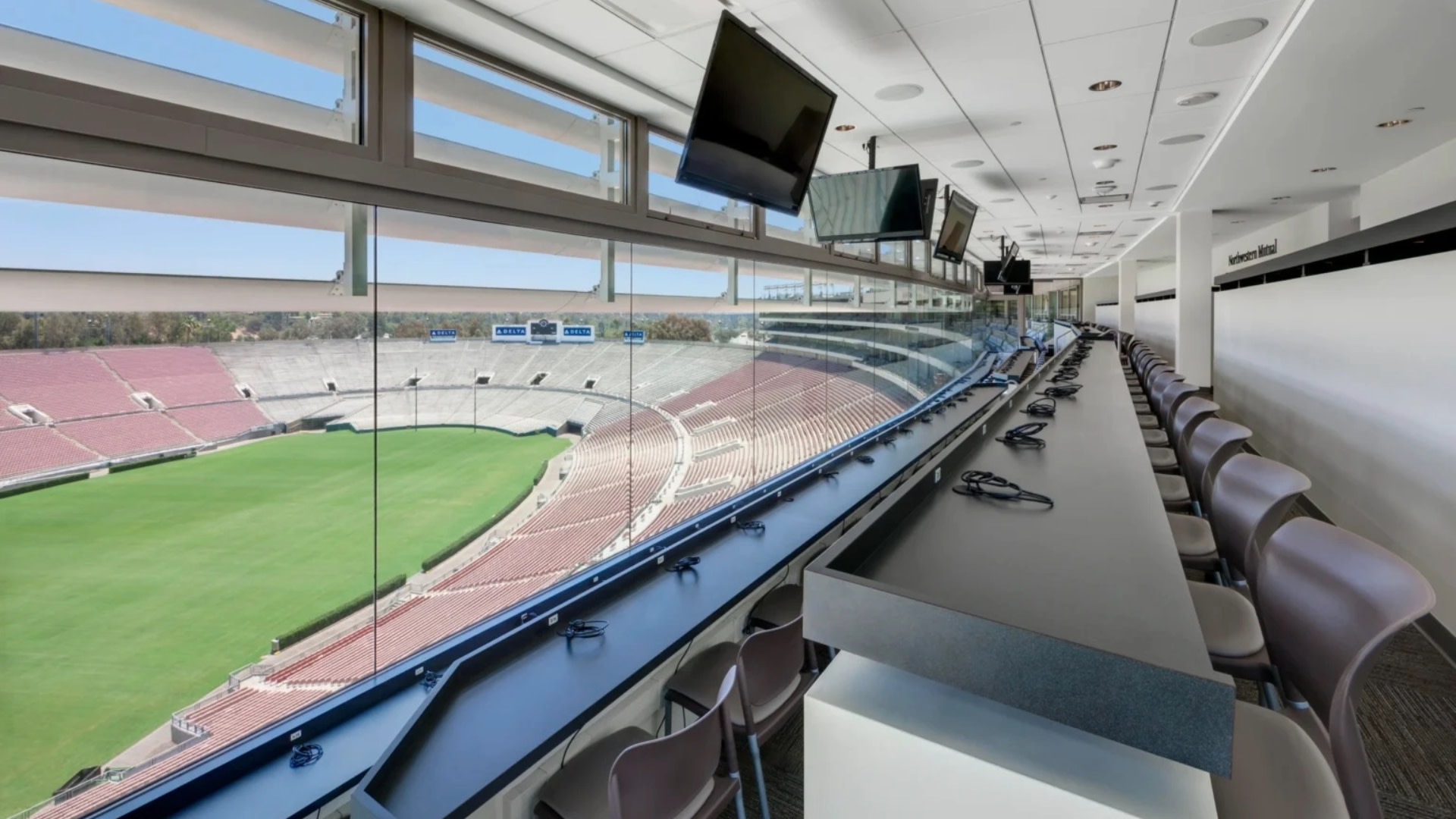
These collaborative solutions are now essential for coordinating the design and construction of all types of buildings.