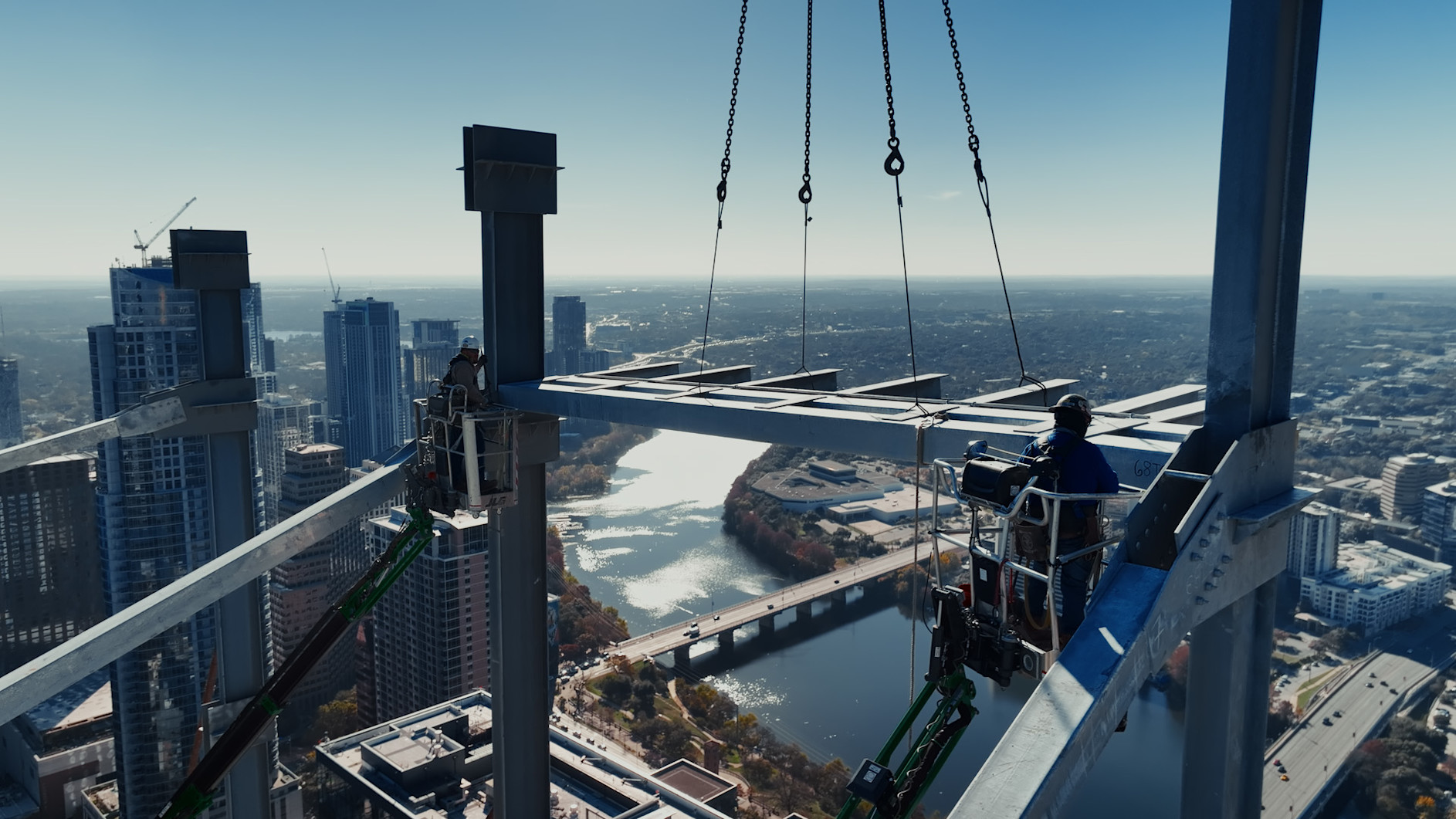
Customer Story
Building a culture of safety across jobsites
Harvey Cleary is transitioning its safety program to Procore to drive field engagement and future-proof its safety culture within their organization and with their Trade Partners

The Challenge
Managing job site safety across expanding national offices required shifting from an outdated in-house tech database and a historically punitive culture to an open, relationship-driven strategy. Field participation struggled when trade partners feared blame, making it difficult to prevent hazards proactively and collect predictive data from the field.

The Solution
Harvey Cleary is adopting Procore’s safety management tools to centralize field operations onto a unified platform. Field teams transitioned to a paperless workflow, performing digital orientations, inspections, observations, and daily Job Safety Analyses (JSAs) directly in Procore, turning hazard reporting into real-time collaborative conversations focused on worker awareness and safety improvement.

The Results
- Empowered on-site workers with the authority to stop work when hazards are observed
- Transitioned field operations to a paperless workflow for daily inspections and safety logs
- Helped accelerate safety adoption across the existing workforce already familiar with the operational platform
“This is designed to bring about awareness, to show improvement. We're preventing things from happening... once you have that involvement, it's a game changer. The morale changes. Everything changes.”

David Stanton
Safety Director
Harvey Cleary
Moving from compliance to care
David Stanton, Safety Director at Harvey Cleary, emphasizes that honoring the company philosophy—being "a safety company that just happened to build buildings"—requires moving away from a traditional "police state" mentality. "The most important thing is to not act as the police," Stanton explains. "The bottom line really is to share with them that you actually really care about them."
By ensuring that safety observations are treated as tools for training and awareness rather than disciplinary action, the firm built a supportive environment where trade partners feel comfortable speaking up. This trust is reinforced the moment a crew arrives on-site, empowering individual workers with the clear authority to stop work. "Once you have that involvement, it's a game changer," notes Stanton. "The morale changes. Everything changes to where it's not just 'I've gotta go do a job.' They want to come to the job, because they know they're going to be heard."
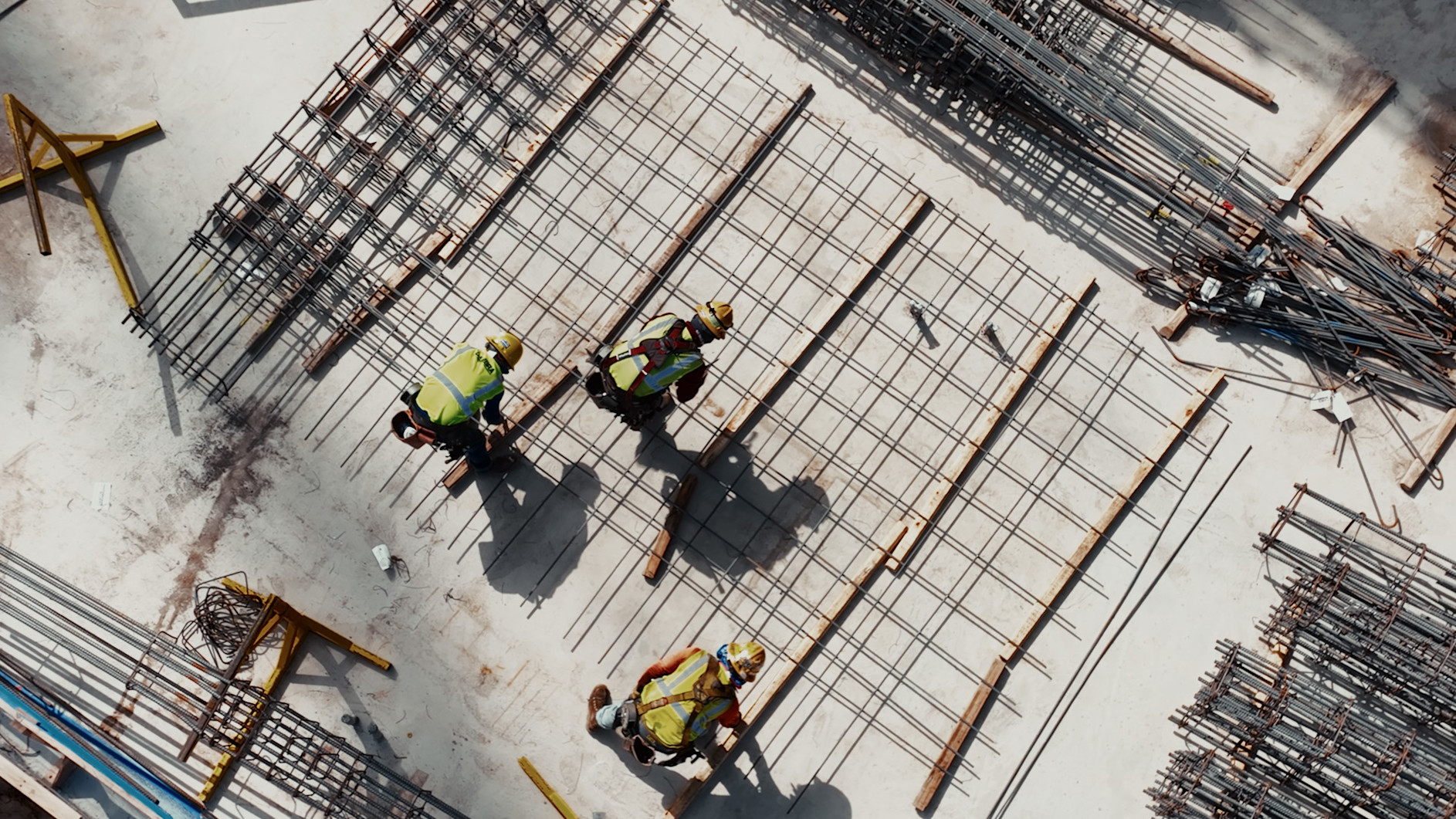
Driving participation through unified technology
To match this supportive culture, Harvey Cleary is replacing its legacy in-house databases with Procore's safety platform to modernize field workflows. According to Stanton, because 95% to 97% of the organization was already utilizing Procore for project management, introducing safety tools into the existing platform was a seamless transition.
Regional teams in Austin and San Antonio successfully went "all in" on a paperless field environment, conducting digital orientations, field inspections, and daily Job Safety Analyses (JSAs) on mobile devices. Moving safety data directly to the field has elevated operational awareness, helping supervisors plan tasks accurately and catch predictive hazard trends early.
To Stanton, the morning JSA is the cornerstone of site efficiency: "To me, that is the most critical part of the day. If we can somehow show that we are doing quality JSAs or pre-task plans at the beginning of the day, that to me would be huge because then that shows that we have a good plan."
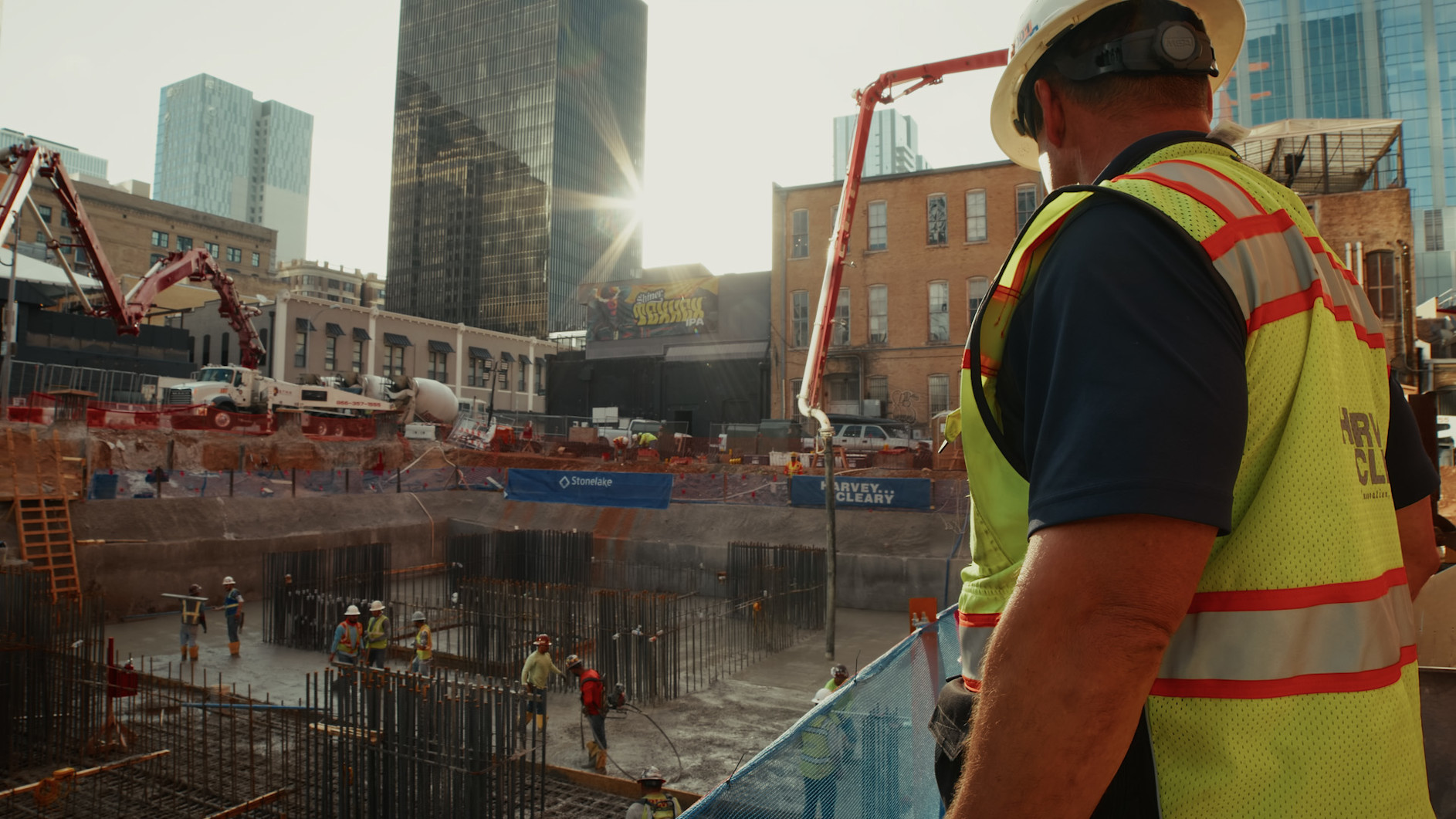
Embracing the next generation of safety
Believing that "safety is not proprietary," Harvey Cleary actively shares its data and forms alliances with local associations and OSHA to raise safety standards across the entire construction industry.
Looking to the future, the firm aims to refine its predictive modeling, incorporate cutting-edge features like video risk assessments, and maintain high standards. "We expect perfection. We know we're not going to get it, but we expect it," Stanton says. "The message that we try to send on a regular basis is to try to make yourself better one way or the other."
The driving force behind this continuous improvement will be the incoming generation of tech-native professionals entering the workforce. "I get excited about what the future holds because they are going to be the ones that will improve our industry as a whole and continue to move it forward. They're the ones that are going to have the ideas of how we can improve."