
The cultural strategy of ‘labor-first’ adoption


Last Updated May 21, 2026
Makenna Ryan
Civil & Infrastructure Solutions Engineer
12 articles
Makenna Ryan is a Solutions Engineer at Procore. Prior to joining Procore, he spent seven years at McDermott International Inc. as a construction Manager and Senior Equipment Engineer. He also spent three years as a Project Engineer at Subsea7. Makenna received his B.S. in Mechanical Engineering and Technology from Texas Tech University. He is based in the Houston area.
Marlissa Collier
42 articles
Marlissa Collier is a journalist whose work focuses on the intersections of business, technology, policy and culture. Her work has been featured in digital and print formats with publications such as the Dallas Weekly, XO Necole, NBCU Comcast, the Dallas Nomad, CNBC, Word in Black and Dallas Free Press. Marlissa holds an undergraduate degree in Construction Engineering from California State University, Long Beach and an MBA from Southern Methodist University’s Cox School of Business.
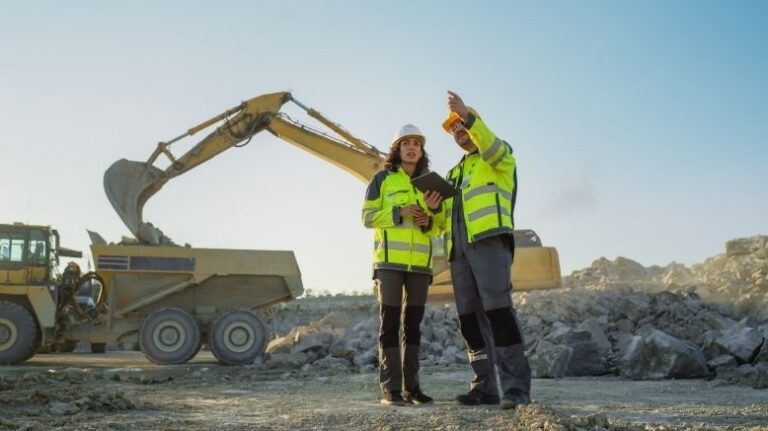
In construction, culture isn’t built in the trailer — it’s built in the field.
The hum of machinery, the clang of steel, and the orchestrated rhythm of skilled tradespeople shaping the skeleton of a building: This is where culture lives. Yet, too often, those on the front lines, the people swinging hammers, welding beams, or coordinating heavy lifts, are the last to be consulted when new digital tools or processes are rolled out.
A growing number of construction leaders are discovering that sidelining the field undermines adoption and the value of the very systems intended to improve productivity. For these firms, successful technology and process adoption isn’t about the complexity of the software or the elegance of the workflow, it’s about a labor-first strategy: putting the people who physically build the work at the center of every design and decision.
80% of the review should be about how we’re going to build — not just what we’re building. The ‘how’ questions from the field are what actually make the data useful.
Makenna Ryan
Civil & Infrastructure Solutions Engineer
Procore Technologies
This perspective highlights that the value of digital adoption hinges on the nuances of real-world application.
If a tool doesn’t account for a crew’s workflow or physical limitations, it becomes a compliance checkbox rather than a functional aid. The labor-first approach reframes the conversation: data is only as valuable as the people who will act on it.
Table of contents
Building for the builder
A truly labor-first constructability review is far removed from boardroom posturing. It manifests as a roundtable, a genuine collaboration with foremen, craft leads, and superintendents, the people who will actually implement the plans. Embedding their expertise into the planning process helps teams make sure designs aren't just theoretically sound but practically executable.
You have to bring in the people who are going to do the work — foremen, captains, the actual trade craft. That’s how you make sure your plan isn’t just good on paper but good in practice.
Makenna Ryan
Civil & Infrastructure Solutions Engineer
Procore Technologies
This approach transforms constructability from a routine compliance exercise into a dynamic problem-solving session. A welder may point out that a joint is inaccessible without compromising safety, or a rigger may note crane swing limits that weren’t apparent in 3D models.
Capturing these insights early reduces costly rework, mitigates safety risks, and embeds tacit knowledge into project execution. The field becomes a critical stakeholder, not a passive executor.
From compliance to commitment
Psychology plays a pivotal role in adoption. Human behavior is resistant to top-down mandates. Compliance imposed by authority often breeds quiet resistance or minimal engagement. Conversely, when field teams are consulted and their input visibly shapes outcomes, engagement rises dramatically.
When you bring field teams in early, they get a dog in the fight. Now it’s our plan, not your plan. That kind of ownership changes everything.
Makenna Ryan
Civil & Infrastructure Solutions Engineer
Procore Technologies
Ownership transforms compliance from a chore into pride. Crews who feel invested in the plan log data accurately, flag potential design conflicts proactively, and even propose improvements to processes.
In essence, labor-first adoption channels human motivation into consistent, high-quality behavior, turning accountability into a shared cultural norm rather than a bureaucratic requirement.
Carrots over sticks
While accountability remains crucial, the methods of motivating compliance have evolved. In a labor-tight market, companies cannot rely on fear or punitive measures. Motivation tied to respect, recognition, and reward is far more effective and sustainable.
You can threaten people into compliance, but nobody wants to work in that environment. A carrot builds pride; a stick builds turnover.
Makenna Ryan
Civil & Infrastructure Solutions Engineer
Procore Technologies
Studies reinforce this approach. One meta-analysis of safety incentive programs in construction revealed that reward-based systems often led to measurable improvements in compliance and performance outcomes compared to penalty-only models. Thoughtfully designed incentive programs create positive reinforcement loops and embed desired behaviors into daily routines.
For example, some teams implement collective rewards to promote accurate reporting and adherence to new processes.
We built habits through team rewards — everyone gets a Carhartt jacket if we hit 30 days of perfect daily logs. Miss one, nobody gets it. Suddenly, you’ve got social accountability and camaraderie instead of resentment.
Makenna Ryan
Civil & Infrastructure Solutions Engineer
Procore Technologies
Such strategies transform compliance into a team achievement. Field crews monitor each other’s performance, celebrate shared success, and develop a culture of mutual responsibility, allowing adoption to occur organically rather than through coercion.
Stay updated on what’s happening in construction.
Subscribe to Blueprint, Procore’s free construction newsletter, to get content from industry experts delivered straight to your inbox.

Culture as a competitive edge
In today’s environment, where turnover, burnout, and labor shortages threaten project timelines and budgets, culture has emerged as a strategic differentiator. A field-first adoption model strengthens not only the quality of data but also the trust and cohesion that drive long-term success.
In a tight labor market, culture is everything. You can’t build loyalty with mandates — you build it by listening, rewarding, and respecting people’s time.
Makenna Ryan
Civil & Infrastructure Solutions Engineer
Procore Technologies
This insight aligns with broader industry analyses showing that large construction projects can take up to 20% longer and cost up to 80% more than scheduled, largely due to coordination failures and delayed adoption of field processes.
When constructability is treated as a collaborative, shared-ownership process, these risks are mitigated. Field teams feel valued and invested, reducing turnover and ensuring smoother, more efficient execution.
Companies are poised to unlock dual benefits by elevating the people who physically build projects to central roles in planning, adoption, and process design: superior project data and a resilient, motivated workforce.
Digital tools reach their potential only when paired with the human insights and cultural engagement that a labor-first strategy prioritizes. In the modern construction landscape, culture is not a soft metric, it’s a measurable, competitive edge. When the field feels heard, rewarded, and respected, adoption becomes a natural outcome, and the organization thrives both operationally and culturally.
Was this article helpful?
Scroll less, learn more about construction.
Subscribe to The Blueprint, Procore’s construction newsletter, to get content from industry experts delivered straight to your inbox.
By clicking this button, you agree to our Privacy Notice and Terms of Service.
Categories:
Written by
Makenna Ryan
Civil & Infrastructure Solutions Engineer | Procore Technologies
12 articles
Makenna Ryan is a Solutions Engineer at Procore. Prior to joining Procore, he spent seven years at McDermott International Inc. as a construction Manager and Senior Equipment Engineer. He also spent three years as a Project Engineer at Subsea7. Makenna received his B.S. in Mechanical Engineering and Technology from Texas Tech University. He is based in the Houston area.
View profileMarlissa Collier
42 articles
Marlissa Collier is a journalist whose work focuses on the intersections of business, technology, policy and culture. Her work has been featured in digital and print formats with publications such as the Dallas Weekly, XO Necole, NBCU Comcast, the Dallas Nomad, CNBC, Word in Black and Dallas Free Press. Marlissa holds an undergraduate degree in Construction Engineering from California State University, Long Beach and an MBA from Southern Methodist University’s Cox School of Business.
View profileExplore more helpful resources

Does your asset management workflow actually work?
Every fixed asset installed on a project generates data long before handover. Is your team capturing it as it happens, or scrambling to reconstruct it after the fact? That question...

From spec book chaos to single source of truth
Picture this: An expansion is going in directly beside a high-volume line that cannot stop producing. Structural steel lands in March, mechanical completion is promised for August, and your only...
The hidden risk of relying on your EPC partner for project visibility
Many owners have thought some version of “We don’t need a capital project management platform — our EPC partner manages all of this for us.“ It’s a reasonable position. Your...

Why manufacturing owners are still managing capital projects like it’s 2010
There is a machine on your plant floor right now that knows it’s going to break. A sensor is reading a vibration signature on a bearing about three weeks before...
Free Tools
Calculators
Use our calculators to estimate the cost of construction materials for your next project.
Templates
Find a template to help you with your construction project tasks.
Material Price Tracker
Get the latest U.S. retail prices and view historical trends for common building materials.
Glossary
Explore key terms and phrases used in the industry.