The Design & Construct (Design-Build) Construction Method Explained

Last Updated Mar 22, 2026
Josh Krissansen
122 articles
Josh Krissansen is a freelance writer with two years of experience contributing to Procore's educational library. He specialises in transforming complex construction concepts into clear, actionable insights for professionals in the industry.

On complex construction projects, fragmented responsibility is one of the biggest drivers of cost overruns, programme slippage, and disputes.
Design-build construction, known in Australia as Design and Construct (D&C), addresses this by consolidating design and construction under a single contractual entity.
In this article, we examine why Australian owners and contractors select D&C to achieve cost certainty, manage programme risk, and improve delivery timelines on complex commercial and public-sector projects.
We explain how the model reduces fragmented responsibility and disputes, reallocates delivery risk, and enables earlier, more reliable capital planning and investment decisions.
Table of contents
What Is Design-Build (Design & Construct) Construction?
Design-build (often referred to as ‘design and construct’ in Australia):
- Is a single contract delivery method combining architectural design and construction services under one entity.
- Requires the owner to enter into a single agreement with a D&C team, rather than managing separate contracts for design and construction.
- Replaces the traditional sequential design and build model with an integrated delivery approach.
In other words, design and construction activities overlap, allowing buildability, cost, and programme considerations to inform design decisions as they are made.
The D&C entity holds responsibility for both design performance and construction delivery. This consolidation of accountability changes how risk is allocated, how decisions are governed, and how issues are resolved throughout the project lifecycle.
The Design-Build (Design & Construct) Process in Construction
D&C is delivered under a single contract, with a head contractor engaged early to coordinate design, construction, and specialist consultants within a unified delivery framework.
Project phases are intentionally overlapped to shorten programmes and surface delivery risk earlier. Owner involvement is focused on defined milestones related to scope, budget, and risk, rather than on managing multiple consultant and contractor relationships.
Site Selection and Feasibility
The D&C team evaluates potential sites with a focus on constructability, planning constraints, services access, and programme risk. Early collaboration among the contractor, architect, and engineers establishes realistic assumptions related to scope, cost, and schedule before commitments are locked in.
Here’s how that translates to real-world situations:
- Involving contractors during the design phase improves drawing quality, strengthens information flow, and enhances material supply coordination, particularly in industrial construction contexts. These outcomes reduce downstream disruption and lower the likelihood of programme overruns.
- Early contractor input identifies site-related risks that commonly drive variations under fragmented delivery models, allowing mitigation strategies to be embedded before construction begins.
- Preliminary investigations, such as geotechnical, environmental, and planning reviews, are coordinated as a single effort.
Preliminary Design
Concept and schematic design are developed with direct input from construction and delivery specialists. Design decisions are tested against construction sequencing, access constraints, and procurement realities as the design evolves.
BIM is commonly used to validate layouts, coordinate systems, and resolve buildability issues early. Scope is refined with clear visibility into cost and programme implications, reducing redesign, late scope changes, and pricing volatility.
Team Selection and Procurement Approach
Owners typically adopt a value-based tender evaluation rather than a lowest-price tendering process. Evaluation criteria focus on delivery capability, demonstrated D&C experience, and alignment with project objectives and risk profile.
The head contractor assembles and manages the design team and key consultants. Procurement strategies are set early to balance cost certainty, programme protection, and supply chain exposure based on delivery priorities.
Overlapping Design and Construction
Design development continues while early works, procurement, and mobilisation proceed. Project managers and construction teams actively contribute during design to ensure outcomes are buildable, sequenced, and achievable on site.
Long-lead items are identified and procured earlier to maintain programme certainty. Ongoing coordination between design and construction reduces late-stage redesign, rework, and schedule compression.
Project Closeout
The contractor manages commissioning, documentation, and handover under a single accountable entity. Owners receive consolidated closeout documentation rather than fragmented records from consultants and contractors.
Performance outcomes are reviewed against agreed scope, cost, and programme targets, reinforcing accountability at completion.
Benefits of Design-Build (D&C) Construction
D&C is not an operational detail. For owners and contractors, the value of D&C lies in outcome control rather than procedural efficiency.
The model is adopted to protect programme certainty, stabilise cost exposure, and reduce the commercial friction that undermines performance in fragmented delivery environments.
Delivery Speed and Schedule Certainty
Design and construction activities overlap to compress the overall project duration. Early contractor involvement prevents delays caused by unbuildable designs, late procurement decisions, or misaligned sequencing.
Long lead items are identified and managed earlier, and decisions are resolved through a single point of responsibility rather than across multiple contracts.Cost Certainty and Budget Control
Contractor input during design development informs realistic scope definition and cost decisions. Value engineering occurs early, before design choices are finalised and changes become expensive.
Fixed-price or guaranteed maximum price structures are commonly used to solidify budget certainty. Fewer variations arise because constructability issues are resolved during the design phase rather than discovered once work is underway.Risk Allocation and Fewer Claims
The D&C entity assumes responsibility for design coordination, documentation quality, and constructability. Owners are insulated from disputes over whether issues originate in design or construction.
Unified accountability reduces adversarial behaviour and limits claim escalation. Issues are resolved within the delivery team rather than through contractual dispute mechanisms, reducing legal exposure and management distraction.Collaboration and Quality Outcomes
Designers, engineers, and builders work together around shared delivery and performance goals. Ongoing communication replaces the traditional handover-driven approach, so issues are worked through collaboratively instead of being passed downstream.
Quality control connects design intent to what is actually built on site, helping ensure the finished asset performs the way the owner expects in day-to-day operation.Operational and Commercial Simplicity for Owners
A single contract simplifies administration, reporting, and financial oversight. Having a single point of contact reduces management overhead and coordination risk.
Commercial exposure is more transparent and easier to oversee at the executive level, supporting stronger control over risk, cash flow, and portfolio performance.Emerging Flexibility in Delivery Models
Progressive D&C introduces early collaboration while maintaining a commercial off-ramp in case price alignment isn’t possible. Two-stage structures mitigate the risk of committing to a final price before the scope is mature enough to support it.
Digital construction management platforms are increasingly critical for coordinating, documenting, and managing the financial complexity inherent in integrated delivery models.
How to Start (and Run) a Design-Build Project
Starting a D&C project requires a shift in how owners structure decisions, manage risk, and govern delivery.
Control moves from managing multiple contracts to selecting and governing a single delivery entity. Early decisions carry more weight because D&C offers fewer reset points once delivery is underway.
Define Project Objectives and Constraints
Owners set the direction early by defining what the project needs to achieve, including performance expectations, functional requirements, budget limits, and delivery priorities. Key programme drivers, such as speed to market, risk tolerance, and cost certainty, should be made explicit from the outset.
Objectives are expressed as outcomes rather than prescriptive design solutions. This gives the delivery team flexibility to optimise design, sequencing, and procurement while remaining accountable to commercial and operational targets.
Engage Early for Site and Feasibility Input
D&C teams are often engaged during site selection to assess constructability, planning constraints, services access, and programme risk. Due diligence typically includes zoning reviews, site surveys, geotechnical investigations, and environmental assessments coordinated as a single effort.
Early contractor input strengthens feasibility decisions and reduces downstream scope change by identifying site risks and delivery constraints before commitments are locked in.
Develop Preliminary Design and Cost Insight
Concept and schematic design are developed using BIM and virtual design methodologies to test layouts, coordinate systems, and assess buildability. Construction input informs sequencing, access planning, and procurement strategy as the design evolves.
Cost ranges and programme scenarios are tested alongside design concepts. Value engineering occurs early, when changes can be made without compromising intent or triggering commercial rework.
Select the Design & Construct Partner
Owners typically use a value-based selection process rather than lowest price tendering. Evaluation criteria prioritise relevant D&C experience, sector expertise, and demonstrated delivery capability.
Assessment commonly includes past performance, financial stability, safety record, and team structure. Interviews are used to test problem-solving approach, communication discipline, and cultural alignment under delivery pressure.
Structure Procurement and Contract Approach
Procurement choice has a direct impact on cost overruns, schedule delays, and dispute risk.
Analysis of procurement models in the Australian construction and architecture sector highlights that misalignment between project objectives and the chosen procurement approach can contribute to adverse delivery outcomes, including cost pressures, compressed programmes and elevated dispute risk.
The systemic risks research notes that inappropriate procurement decisions, such as selecting a model unsuited to the project context, can shift responsibility unfairly, constrain design quality, and increase exposure to risk and contractual tension
RFT processes are used to evaluate delivery strategy and overall value, not just price. Assessment focuses on how the D&C partner intends to manage scope development, risk allocation, cost control, and delivery certainty.
Progressive D&C may be adopted to enable early collaboration while preserving a commercial off-ramp if price alignment cannot be achieved.
Contract structures define risk allocation, pricing mechanisms, and change management frameworks, with fixed-price or guaranteed maximum-price arrangements typically agreed upon once the scope and risk are sufficiently developed.
Establish Governance And Approval Controls
Owner control is retained through clearly defined approval milestones tied to scope, budget, and material decisions. Reporting frameworks provide visibility into costs, programmes, and risks without introducing operational micromanagement.
Effective governance balances oversight with the speed benefits of integrated delivery. It gives executives clear visibility to make informed decisions without slowing delivery momentum.
Future Trends in Design-Build (D&C) Construction
D&C is increasingly viewed as the dominant procurement approach as project risk profiles evolve. Growth is being driven by rising technical complexity, tighter margins, and stronger demand for early certainty around cost and programme.
Owners are prioritising delivery models that consolidate accountability and reduce coordination risk across expanding stakeholder and regulatory environments.
Continued Growth and Mainstream Adoption
D&C continues to gain traction across commercial, infrastructure, and institutional projects. Owners are selecting integrated delivery to manage risk exposure, accelerate delivery, and improve outcome predictability where speed to market and certainty are strategic priorities.
Responding to Increasing Project Complexity
As projects involve more interfaces, regulatory oversight, and specialist systems, single-point accountability becomes more valuable. D&C provides earlier access to contractor expertise, improving risk identification, constructability assessment, and coordination across disciplines before design decisions are finalised.
This approach reduces exposure to late-stage redesign and delivery disruption, which are increasingly unacceptable on complex, time-sensitive projects.Expanded Use Of BIM and Virtual Design
BIM continues to mature as a foundation for integrated delivery. Virtual design tools support early coordination across architectural, structural, and building services disciplines, improving visibility into spatial constraints and system interfaces.
Model-based coordination reduces constructability issues before work reaches the site, supporting more reliable sequencing, procurement planning, and cost control.Technology as a Core Enabler
As projects scale, digital construction management platforms are increasingly needed to support integrated delivery without losing coordination or control. Centralised systems enable real-time collaboration, document control, and financial visibility across overlapping design and construction activities.
In Australia, major government infrastructure programmes are increasingly requiring or incentivising the use of digital tools such as Building Information Modelling (BIM) to support coordination, assurance, and delivery performance, particularly across transport and large-scale infrastructure projects.
As D&C relies on overlapping design and construction activities, shared digital environments are increasingly treated as core delivery infrastructure rather than optional support systems.Shifting Owner Expectations
Owner expectations are evolving away from rigid control of prescriptive design solutions toward assurance of performance outcomes. Governance models are increasingly focusing on cost certainty, programme confidence, and operational performance rather than process oversight.
D&C aligns with this shift by balancing owner control through defined approval points with the efficiency benefits of integrated delivery, supporting faster decisions and more predictable outcomes without sacrificing governance discipline.
Design-build (Design & Construct) is a strategic delivery decision shaping certainty, risk, and long-term performance
Design and Construct (D&C) reshapes how responsibility, risk, and decision-making are managed across a construction project.
When structured and governed correctly, D&C enables faster delivery, clearer accountability, and stronger visibility into costs, programmes, and risks throughout the project lifecycle, supporting more reliable capital planning and portfolio-level decision-making.
Categories:
Written by
Josh Krissansen
122 articles
Josh Krissansen is a freelance writer with two years of experience contributing to Procore's educational library. He specialises in transforming complex construction concepts into clear, actionable insights for professionals in the industry.
View profileExplore more helpful resources
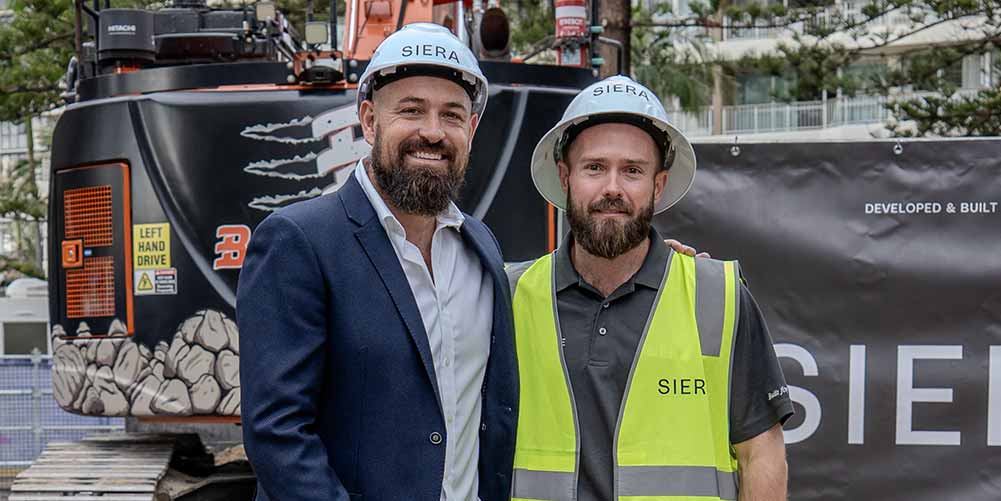
Scaling with SIERA: Building for now and what comes next
SIERA Founder and Director Brent Thompson has always known that the right people, systems and hands-on approach are fundamental to scaling his business successfully. In Part 1, Brent and Head...
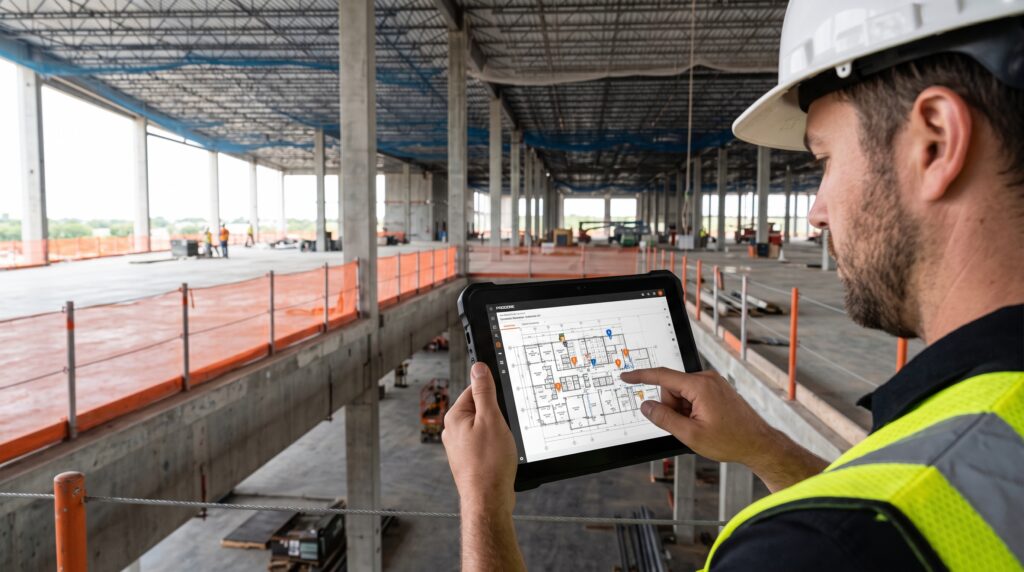
Getting Your Construction Data Ready for AI – What Every Business Needs to Consider Before Launching AI
This is the first of two articles. This part sets out the considerations: what clean and trusted data actually means, how to measure it, how the two systems most businesses...

The Contractor’s Guide to Concrete Inspections
Concrete: It’s the key building block of nearly every structure’s foundation — and it’s the world’s most widely used building material. For most head contractors, understanding how to assess concrete...

Computer-Aided Design (CAD): What It Is — and Why It’s Important
When most people envision a construction worker, they see a person at a construction site wearing a hard hat and a high-vis vest. Perhaps this person is putting up plasterboard,...