Building Digital Capabilities: A Roadmap for Civil Construction

Last Updated Sep 30, 2026
Annabel Davis
Before joining the world of construction technology, Annabel worked as a Project Engineer across major infrastructure projects in Australia, New Zealand, and the UK. Her experience on site—often drive-in-drive-out or fly-in-fly-out—spanned large-scale rail, road, and marine works. Annabel holds a BEng (Civil, Structural) and BCom (Economics) from USYD and brings her practical, hands-on knowledge to her role at Procore, where she has been since 2021. This move was driven by a deep appreciation for the construction community and a desire to leverage engineering expertise in a less transient role, while remaining connected to the industry.

Samantha Nemeny
36 articles
Sam has spent a decade in content marketing, with eight years focused on Australia’s construction industry. She has a knack for making complex ideas easy to understand, turning industry jargon into clear, engaging stories. With a background in SEO and marketing, she’s spent the past four years at Procore, helping industry professionals navigate the world of construction with content that’s both insightful and easy to digest.
While significant investments are pouring into revitalising the nation's infrastructure, the true capacity to capitalise on this opportunity hinges on more than just funding — it relies on a fundamental shift in how the industry considers and approaches technology.
True tech readiness extends far beyond simply acquiring the latest digital tools. It demands a deep strategic alignment, robust internal infrastructure and a profound cultural and mindset shift that permeates every level of an organisation, starting from the very top.
Table of contents
Starting From The Top
For quite some time, technology adoption in construction has been viewed as a piecemeal investment—a new drone here, a software subscription there.
However, genuine readiness necessitates a comprehensive understanding from leadership that technology is no longer merely an overhead but the new bedrock of future competitiveness.
True tech readiness starts at the top. It's about executive leadership recognising that technology is the future of our industry, and then aligning our corporate goals and strategies to fully embrace it. When a CEO or high-level executive actively engages with new technologies, it sets a powerful precedent. It shows the staff that leadership is truly invested in the industry's future, empowering everyone to adopt and explore these vital tools.
Annabel Davis
This top-down commitment is the essential catalyst for empowering staff, fostering a learning environment, and justifying the significant upfront investment required for long-term gains.
It Takes Infrastructure to Build Infrastructure
A key component of readiness to engage in tech adoption is establishing the proper internal infrastructure.
Before any new software or advanced equipment can deliver on its promise, companies must have robust IT systems, reliable networking capabilities and effective field data collection tools. This includes the foundational hardware and connectivity that allows data to flow seamlessly from the job site to the back office. Without this backbone, even the most sophisticated solutions can become isolated islands of data, unable to integrate and provide holistic insights.
In the civil construction industry, this may take the form of a company investing in reality capture through drone surveys. This business needs not only the drones but also the bandwidth and processing power to handle large datasets, and a centralised system to store and analyse that information.
Having the latest gadgets isn't enough. Before you can truly leverage new technology, you need robust internal infrastructure — like strong IT systems and networking capabilities — to support those tools. Without that foundation, you're just buying widgets without a way to use them effectively.
Annabel Davis
People First, Tech Second
Equally vital is cultivating a knowledgeable workforce. Technology, like any tool or weapon, is only as good as the person wielding it. This requires not just providing access to tools, but creating clear pathways for education and training.
For example, some leading general contractors have established internal "Centers of Excellence" for data and analytics, and even offer internships and fellowships, some of which are focused on AI and robotics. These initiatives demonstrate a commitment to upskilling their workforce and embedding technological expertise directly into their operations. The challenge often lies in bridging the gap for workers who may be less accustomed to extensive digital engagement, requiring intuitive interfaces and hands-on, practical training that resonates with their experience.
We need to build a strong knowledge base within our teams, or at least provide clear pathways for them to gain that knowledge. Even for craft workers less accustomed to reading extensively, it's important to cultivate their understanding and ability to use technology effectively.
Annabel Davis
This shift necessitates a change in mindset, particularly embracing the idea that one must "slow down to speed up." In the schedule-focused world of civil construction, the notion of dedicating more time to pre-construction planning, facilitated by advanced technologies, can feel counterintuitive. However, the meticulous planning enabled by digital tools, such as 3D modeling and sequencing software, allows for an almost granular rehearsal of daily operations before ground is even broken. This detailed foresight can prevent costly rework and delays later, ultimately accelerating project delivery and improving quality.
Companies successfully navigating this transformation often use integrated construction management platforms. These platforms provide a centralised digital environment where all project data resides — from initial designs and estimates to daily progress reports and safety checklists.
These systems enable real-time collaboration between disparate teams, whether they're in the office, at the job site, or collaborating remotely. For example, a project manager can instantly access up-to-date drawings, monitor budget variances and track resource allocation from a tablet in the field, eliminating the delays and errors associated with manual updates or fragmented communication channels. This connectivity fosters transparency and accountability, crucial ingredients for a truly tech-ready culture.
Integrated solutions streamline administrative burdens, allowing highly skilled employees to focus on value-added tasks. Imagine a superintendent no longer spending hours chasing down paper forms or waiting for email updates, but instead instantly receiving critical alerts on their mobile device about material deliveries or equipment status.
This efficiency boosts productivity and contributes to better employee retention. When workers feel more efficient and less bogged down by tedious tasks, their work-life balance improves — which can create a more positive and innovative environment.
Companies that prioritise this culture of digital empowerment find that their employees become more engaged, leading to bolstered domain expertise and a stronger competitive position in the long run.
Building a Foundation of Digital Intelligence
True tech readiness in civil construction is about building a digitally intelligent organisation, not just buying digital tools.
It's about a strategic, holistic approach that begins with leadership vision, permeates through robust infrastructure and continuous learning, and culminates in a workforce empowered to innovate and build the resilient infrastructure of tomorrow more efficiently and effectively than ever before.
Creating an engaged and prepared tech culture is changing how civil construction operates, placing technology at its core to bridge the gap between traditional methods and future demands.
Categories:
Written by
Annabel Davis
Before joining the world of construction technology, Annabel worked as a Project Engineer across major infrastructure projects in Australia, New Zealand, and the UK. Her experience on site—often drive-in-drive-out or fly-in-fly-out—spanned large-scale rail, road, and marine works. Annabel holds a BEng (Civil, Structural) and BCom (Economics) from USYD and brings her practical, hands-on knowledge to her role at Procore, where she has been since 2021. This move was driven by a deep appreciation for the construction community and a desire to leverage engineering expertise in a less transient role, while remaining connected to the industry.
View profileReviewed by
Samantha Nemeny
36 articles
Sam has spent a decade in content marketing, with eight years focused on Australia’s construction industry. She has a knack for making complex ideas easy to understand, turning industry jargon into clear, engaging stories. With a background in SEO and marketing, she’s spent the past four years at Procore, helping industry professionals navigate the world of construction with content that’s both insightful and easy to digest.
View profileExplore more helpful resources
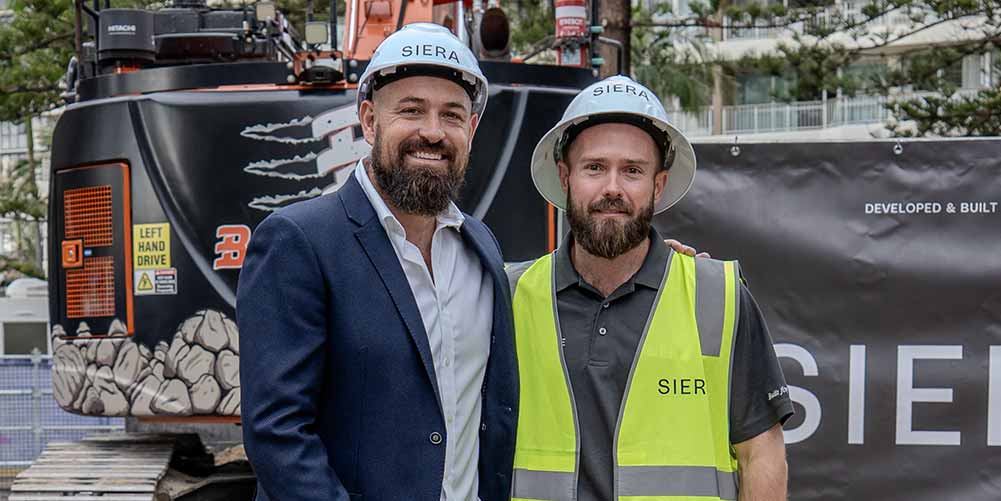
Scaling with SIERA: Building for now and what comes next
SIERA Founder and Director Brent Thompson has always known that the right people, systems and hands-on approach are fundamental to scaling his business successfully. In Part 1, Brent and Head...
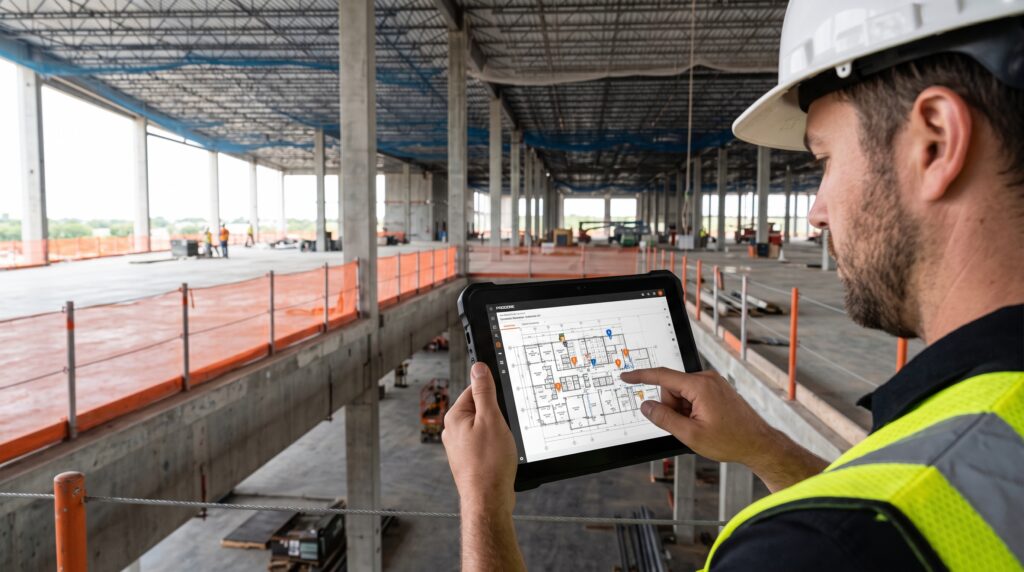
Getting Your Construction Data Ready for AI – What Every Business Needs to Consider Before Launching AI
This is the first of two articles. This part sets out the considerations: what clean and trusted data actually means, how to measure it, how the two systems most businesses...

The Contractor’s Guide to Concrete Inspections
Concrete: It’s the key building block of nearly every structure’s foundation — and it’s the world’s most widely used building material. For most head contractors, understanding how to assess concrete...

Computer-Aided Design (CAD): What It Is — and Why It’s Important
When most people envision a construction worker, they see a person at a construction site wearing a hard hat and a high-vis vest. Perhaps this person is putting up plasterboard,...